The Madhya Pradesh High Court has reaffirmed the finality of arbitration awards under the National Highways Act, 1956, holding that government agencies like NHAI cannot circumvent statutory remedies by initiating internal communications seeking review. This ruling reinforces the principle that once an arbitrator renders a decision, the only lawful recourse is a challenge under Section 34 of the Arbitration and Conciliation Act, 1996.
Background & Facts
The Dispute
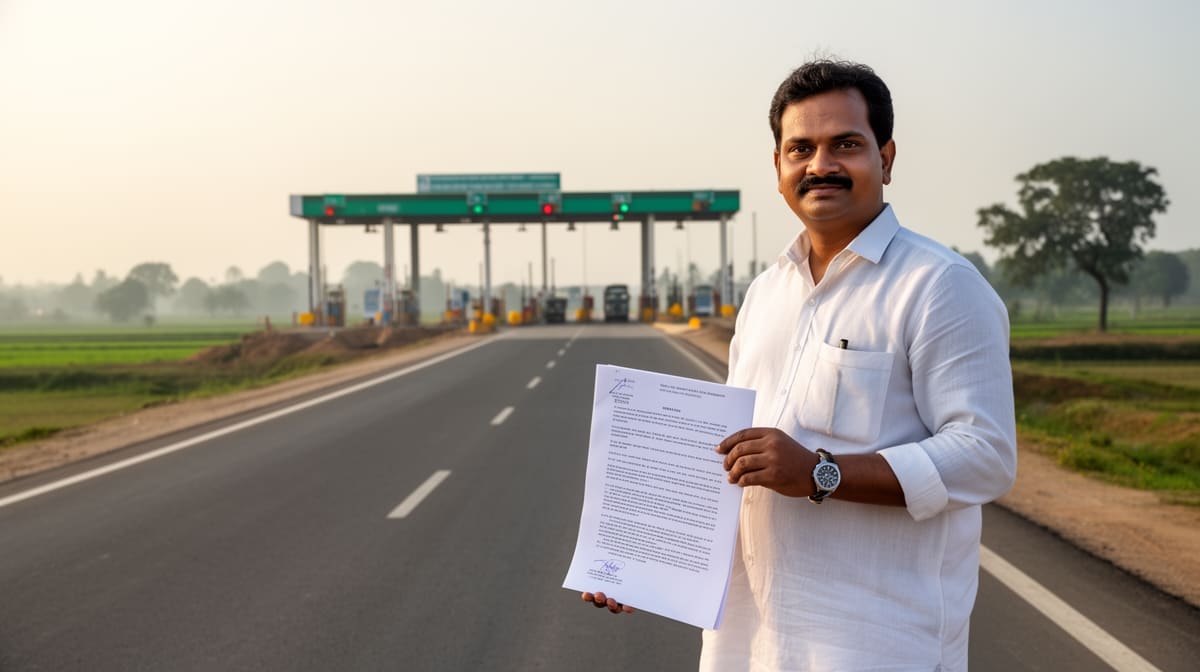
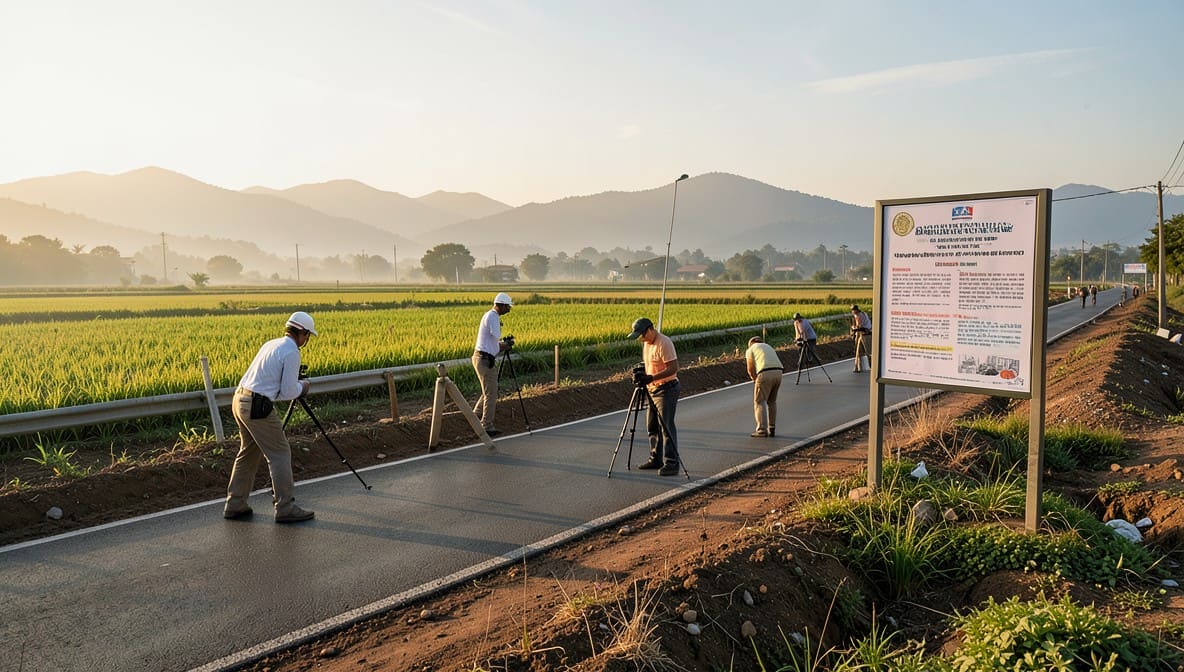
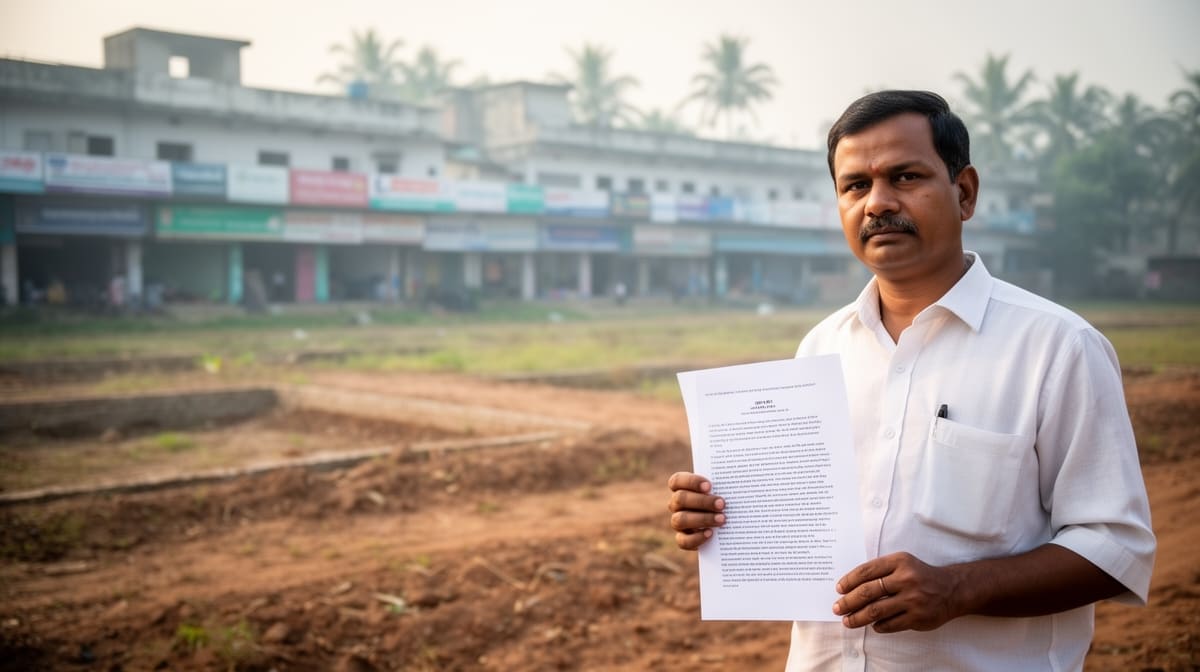
The petitioner, Amarjeet Singh, is a landowner in Village Kemar, Tahsil Amarpatan, District Satna, whose land was acquired by the National Highways Authority of India (NHAI) in 2011 for the widening of a National Highway. The Land Acquisition Officer (SDO) passed an award on 31.07.2013, fixing compensation at Rs. 8,60,712. The petitioner challenged this award as inadequate, invoking his right under Section 3G(5) of the National Highways Act, 1956, to appeal before the Arbitrator, who was the Commissioner, Rewa Division.
Key Facts
- The petitioner’s land was acquired under the National Highways Act, 1956, for public infrastructure
- Award dated 31.07.2013 by SDO/LAO: Rs. 8,60,712
- Petitioner filed appeal under Section 3G(5) of the National Highways Act, 1956
- Arbitrator passed award dated 09.01.2017, enhancing compensation by Rs. 4,77,141 and directing 9% interest
- On 31.01.2017, SDO wrote to NHAI for payment of the enhanced amount
- On 06.03.2017, SDO submitted a detailed payment chart to NHAI specifying heads of payment
- NHAI, dissatisfied with the enhancement, sent internal correspondence dated 19.12.2017 (Annexure P/1) to the Arbitrator, requesting modification of the award
- The 19.12.2017 letter was not a formal appeal or petition but an administrative communication
Procedural History
- 31.07.2013: Land Acquisition Officer (SDO) issues initial award of Rs. 8,60,712
- 09.01.2017: Arbitrator enhances award by Rs. 4,77,141 and directs 9% interest; issues directions for implementation
- 31.01.2017: SDO writes to NHAI for payment of enhanced award
- 06.03.2017: SDO submits detailed payment breakdown to NHAI
- 19.12.2017: NHAI sends internal letter to Arbitrator requesting modification of award
- 2018: Petitioner files Writ Petition No. 14671 of 2018 under Article 226 of the Constitution
- 05.05.2026: Judgment delivered by Division Bench of Madhya Pradesh High Court at Jabalpur
The Parties' Positions
Petitioner: Argued that NHAI’s 19.12.2017 letter constituted an impermissible attempt to review a final arbitration award, bypassing statutory remedies under Section 34 of the Arbitration and Conciliation Act, 1996. He contended that such internal correspondence undermines the finality of arbitral awards and violates principles of natural justice.
Respondents (NHAI and others): Contended that the 19.12.2017 letter was merely an internal administrative communication and not a formal challenge. They also argued that the Arbitrator’s award dated 09.01.2017 was a remand order, not a final award, and that the SDO remained functus officio after the initial award.
Relief Sought
The petitioner sought quashing of NHAI’s internal communication dated 19.12.2017 and a direction to disburse the enhanced compensation of Rs. 4,77,141 along with 9% interest, as ordered by the Arbitrator on 09.01.2017.
The Legal Issue
Can a government agency like NHAI, having participated fully in arbitration proceedings under Section 3G of the National Highways Act, 1956, initiate an internal administrative communication seeking modification of a final arbitral award, instead of filing a challenge under Section 34 of the Arbitration and Conciliation Act, 1996?
Arguments Presented
For the Petitioner
The petitioner’s counsel relied on the principle that an arbitral award under Section 3G of the National Highways Act is final and binding unless set aside under Section 34 of the Arbitration and Conciliation Act, 1996. He emphasized that NHAI had fully participated in the arbitration, raised all its contentions, and accepted the jurisdiction of the Arbitrator. The 19.12.2017 letter, though labeled as internal correspondence, had the substantive effect of a review petition and was an abuse of process. He cited Bharat Aluminium Co. v. Kaiser Aluminium Technical Services Inc. to underscore that arbitration awards are not subject to internal administrative review.
For the Respondent
The respondents’ counsel argued that the Arbitrator’s award dated 09.01.2017 was not a final award but a remand order, directing the SDO to re-assess certain components. They contended that the SDO, being functus officio after the initial award, could not have been directed to perform further duties unless remanded. They further submitted that the 19.12.2017 letter was an internal administrative note, not a formal challenge, and therefore not justiciable by the High Court under Article 226.
The Court's Analysis
The Court examined the nature of the Arbitrator’s award dated 09.01.2017 and found that it was not a remand order. The Arbitrator had heard both parties, evaluated evidence, and made a substantive enhancement of compensation with a direction for interest. The Court held that any directions issued to the SDO were ministerial in nature - to facilitate implementation - and did not amount to a remand. The Court observed:
"The Arbitrator, after due consideration and hearing both the sides, passed the order, in which awarded sum was modified and some amount was being enhanced. This is not an order of remand. Only for ministerial work or for on the spot assessment of exact situation if any direction is given, that does not mean remand."
The Court further held that once NHAI appeared before the Arbitrator and participated in the proceedings, it became bound by the award. Any dissatisfaction with the award could only be challenged under Section 34 of the Arbitration and Conciliation Act, 1996, which provides the exclusive statutory remedy. The internal communication dated 19.12.2017, though not formally styled as a review, had the unmistakable trappings of one - it sought to reopen a concluded proceeding and undermine the finality of the award. The Court emphasized:
"NHAI has the option to challenge it in accordance with law while moving upward vide an application under Section 34 of the Act, 1996. Instead of moving in prescribed statutory manner, NHAI is making an internal communication, which has the trappings of review, therefore, said communication deserves to be struck down."
The Court rejected the argument that the letter was merely internal and non-justiciable, noting that it directly affected the petitioner’s vested right to receive the enhanced award.
The Verdict
The writ petition was allowed. The Court set aside NHAI’s internal communication dated 19.12.2017 as impermissible and violative of the finality of arbitral awards. The Court directed that the enhanced compensation of Rs. 4,77,141, along with 9% interest as awarded by the Arbitrator on 09.01.2017, be disbursed to the petitioner within three months of receipt of the certified copy of this order. The Court further held that the award dated 09.01.2017 was final and binding, and no further administrative review was permissible.
What This Means For Similar Cases
Internal Communications Cannot Substitute Statutory Remedies
- Practitioners must treat any communication from a government agency seeking to reopen an arbitral award as legally invalid unless filed under Section 34 of the Arbitration and Conciliation Act
- NHAI and similar agencies must be advised to file formal applications under Section 34, not internal letters, when challenging awards
- Courts will treat such internal communications as de facto review petitions and strike them down as ultra vires
Finality of Arbitral Awards Under Section 3G Is Absolute
- Arbitrators under Section 3G of the National Highways Act function as statutory arbitrators; their awards are final unless set aside under Section 34
- Directions to SDOs for implementation are ministerial and do not invalidate finality
- Any attempt to re-litigate issues already decided by the Arbitrator will be treated as an abuse of process
Procedural Compliance Is Non-Negotiable
- Government agencies cannot exploit administrative channels to circumvent judicial review
- Landowners must be informed that their right to receive enhanced compensation is enforceable directly against NHAI
- Delay in disbursement post-award is not permissible; courts will impose strict timelines