The Allahabad High Court has overturned a conviction under Section 306 IPC, emphasizing that mere allegations of domestic harassment, even if prolonged, cannot substitute for proof of proximate instigation or clear mens rea to abet suicide. The judgment reinforces the high threshold required to establish abetment, particularly where the deceased’s own mental state and lack of direct causal link to the accused’s conduct are evident.
Background & Facts
The Dispute
The case arose from the suicide of Rajkumari, wife of appellant No.1 Chandrapal, on 25.04.2000. The prosecution alleged that she was subjected to dowry harassment and cruelty due to her inability to bear children, which ultimately led her to commit suicide by self-immolation. The First Information Report was lodged on the same day under Sections 498-A and 306 IPC at Police Station Deeh, District Raebareli.
Key Facts
- Rajkumari married Chandrapal on 05.07.1992
- The couple remained childless throughout their marriage
- Rajkumari was reportedly under medical treatment for depression related to childlessness
- On 22.04.2000, her brother, complainant Uma Shankar Pandey (PW1), visited and was informed of general marital discord
- On 25.04.2000, Rajkumari set herself on fire and died
- The attending doctor, Dr. Vinod Kumar Dubey (PW5), confirmed ante-mortem burn injuries
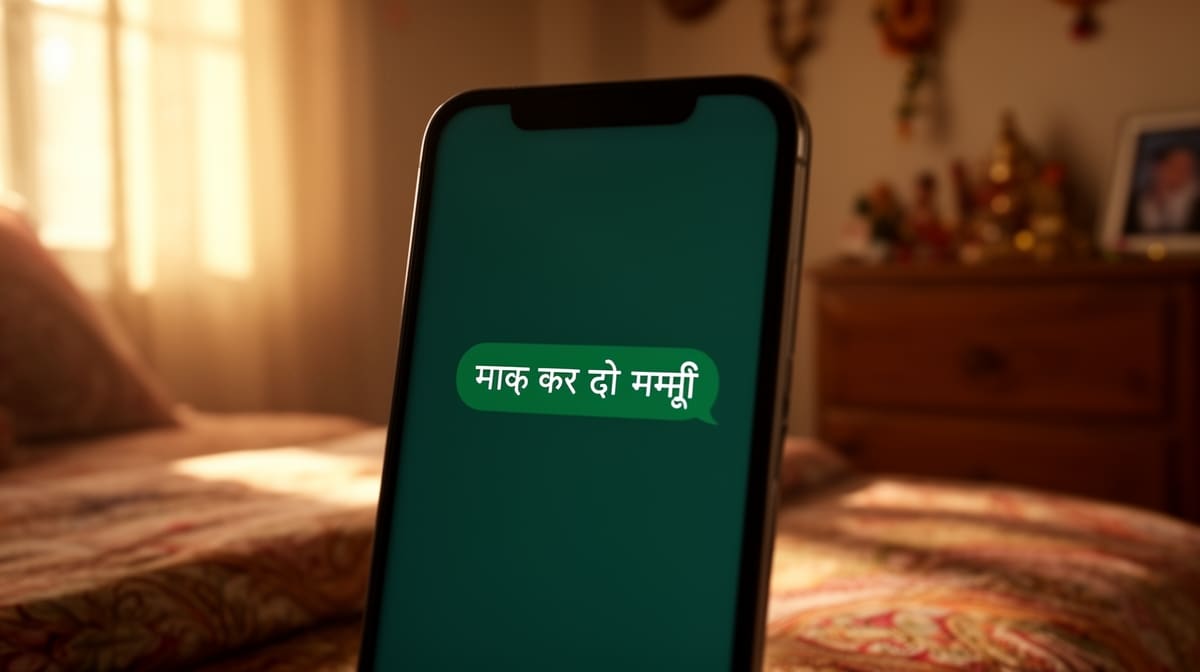
- A diary (Exhibit A) containing two writings by Rajkumari was recovered: one stating she felt ashamed of her own faults and held no one responsible; another indicating she had previously expressed suicidal thoughts to her husband, who had asked her not to do so
- The prosecution failed to establish any specific demand for dowry in cash or kind
- The appellants claimed the marriage took place on 05.07.1991, but the Trial Court found this irrelevant as the suicide occurred beyond seven years of marriage
- Chandrapal had been previously married; his first wife, also childless, had died of illness, not suicide
Procedural History
- 05.07.1992: Marriage between Chandrapal and Rajkumari
- 22.04.2000: Complainant informed of marital distress
- 25.04.2000: Suicide of Rajkumari; FIR registered under Sections 498-A and 306 IPC
- 2000: Charge-sheet filed in Sessions Trial No.384 of 2000
- 12.01.2005: Additional Sessions Judge, Raebareli, convicted appellants under Section 306 IPC and acquitted them under Section 498-A IPC
- 15.12.2025: Appeal abated against appellants No.2 and 3 due to their demise during pendency
- 27.05.2026: Judgment delivered by the Allahabad High Court, Lucknow Bench
The Parties' Positions
For the Appellants
- Argued that no specific act of instigation or intentional aid was proven
- Highlighted that the deceased’s diary entries exonerated them, indicating her suicide stemmed from personal shame and pre-existing suicidal ideation
- Pointed out that the prosecution failed to establish any dowry demand or direct cruelty
- Emphasized that the deceased was under medical care for depression due to childlessness, a condition also present in Chandrapal’s first marriage without any harassment
- Contended that the Trial Court’s reliance on general harassment was legally insufficient to establish mens rea under Section 306 IPC
For the Respondent-State
- Maintained that prolonged harassment due to childlessness constituted cruelty sufficient to abet suicide
- Relied on the testimony of prosecution witnesses who stated the deceased expressed distress over her inability to bear children
- Argued that the cumulative effect of domestic pressure, even without specific dowry demands, created a situation where suicide was the only escape
- Did not dispute the diary entries but sought to minimize their evidentiary weight
Relief Sought
The appellants sought quashing of the conviction under Section 306 IPC, acquittal on all charges, and discharge from custody. They also requested cancellation of bail bonds and discharge of sureties.
The Legal Issue
Can a conviction under Section 306 IPC be sustained where the prosecution establishes only general harassment due to childlessness, without proving a proximate act of instigation, intentional aid, or clear mens rea to cause suicide?
Arguments Presented
For the Appellant
The appellants relied on Ramesh Kumar v. State of Chhattisgarh, Gurcharan Singh v. State of Punjab, and Prakash v. State of Maharashtra to argue that abetment of suicide requires more than a pattern of domestic discord. They emphasized that the deceased’s own writings exonerated them, indicating her suicide resulted from internal guilt and pre-existing depression, not external pressure. They contended that the Trial Court conflated cruelty under Section 498-A with abetment under Section 306, ignoring the requirement of a proximate act that left the victim with no alternative but to die. The absence of any specific threat, verbal instigation, or coercive conduct rendered the conviction legally unsustainable.
For the Respondent
The State argued that the continuous emotional pressure stemming from childlessness, coupled with societal stigma, amounted to psychological cruelty that drove the deceased to suicide. It relied on the testimonies of PW1 and PW2, who stated the deceased had expressed distress about her condition. The State maintained that the cumulative effect of such harassment, even without dowry demands, satisfied the threshold for abetment under Section 306 IPC, especially given the timing of the suicide shortly after the complainant’s visit.
The Court's Analysis
The Court undertook a meticulous review of the legal framework governing abetment of suicide under Section 306 IPC read with Section 107 IPC. It emphasized that abetment requires proof of a mental process - instigation, conspiracy, or intentional aid - coupled with mens rea. The Court held that mere existence of marital discord or even cruelty under Section 498-A does not automatically translate into abetment of suicide.
"A word uttered in the fit of anger or emotion without intending the consequences to actually follow cannot be said to be instigation."
The Court cited Ramesh Kumar v. State of Chhattisgarh to underscore that the law demands a reasonable certainty that the accused’s conduct left the victim with no option but to end her life. It further relied on Gurcharan Singh and Naresh Kumar v. State of Haryana to affirm that mens rea cannot be presumed - it must be visibly established on record.
The Court noted that the deceased’s diary entries, admitted as dying declarations, explicitly stated she held no one responsible and attributed her suicide to her own feelings of shame. This was corroborated by the testimony that her husband had previously dissuaded her from suicide, indicating no intent to drive her to death.
The Court also distinguished Section 113-A of the Evidence Act, noting that even if the suicide occurred within seven years, the presumption is discretionary and requires prior proof of cruelty. Here, the suicide occurred beyond seven years, rendering the presumption inapplicable. Moreover, the Trial Court itself had found no dowry demand, and the harassment alleged was solely due to childlessness - a condition also present in the appellant’s prior marriage without any adverse outcome.
"What drove the victim to that extreme act, often depends on individual predilections; but whether it is goaded, definitively and demonstrably, by a particular act of another, is the test to find mens rea."
The Court concluded that the prosecution failed to establish any proximate act that directly precipitated the suicide. The absence of any specific instigation, threat, or intentional act by the accused rendered the conviction under Section 306 IPC legally unsustainable.
The Verdict
The appeal succeeded. The Allahabad High Court set aside the conviction under Section 306 IPC dated 12.01.2005. The appellants, already on bail, are not required to surrender. Their bail bonds are cancelled and sureties discharged. The appellants are directed to file personal bonds with two sureties each, in the same amount, to comply with Section 437-A CrPC, corresponding to Section 481 BNSS, 2023. The Trial Court is directed to receive a copy of this judgment for record.
What This Means For Similar Cases
Abetment Requires More Than General Harassment
- Practitioners must now demonstrate a proximate, specific act of instigation or intentional aid - not just a history of marital discord - to secure a conviction under Section 306 IPC
- Generalized allegations of emotional pressure due to childlessness, financial strain, or societal expectations are insufficient without evidence of direct causation
- Dying declarations exonerating the accused must be given due weight unless proven to be fabricated or coerced
Mens Rea Cannot Be Presumed
- Courts must actively examine whether the accused’s conduct reveals a guilty mind aimed at causing suicide
- Absence of verbal threats, physical coercion, or documented threats negates mens rea even in cases of prolonged cruelty
- The burden remains on the prosecution to prove the accused’s state of mind, not the victim’s
Section 498-A and Section 306 Are Distinct Offences
-
A conviction under Section 498-A does not automatically lead to conviction under Section 306
-
Courts must conduct separate, rigorous analysis for each charge
-
Evidence sufficient for cruelty does not equate to evidence of abetment
-
Where the suicide occurs beyond seven years of marriage, Section 113-A of the Evidence Act is inapplicable
-
Even within seven years, the presumption under Section 113-A is discretionary and requires independent proof of cruelty
-
In cases involving mental health history, courts must consider medical records and psychological context before attributing suicide to external pressure
-
Defence counsel should prioritize obtaining and presenting any writings, messages, or medical records indicating the victim’s pre-existing suicidal ideation
-
Prosecutors must avoid relying on circumstantial inferences and must establish a clear, proximate link between the accused’s conduct and the act of suicide