The Punjab & Haryana High Court has clarified that allegations of harassment or emotional pressure, without evidence of direct instigation or intentional facilitation, cannot sustain a charge of abetment of suicide under the Bharatiya Nagarik Suraksha Sanhita, 2023. This ruling reinforces the necessity of proving specific intent and proximate conduct in cases involving suicide under Section 108 BNS.
Background & Facts
The Dispute
The petitioner, Gagandeep Singh, was arrested and charged under Sections 107, 115(2), 351(2), and 3(5) of the Bharatiya Nagarik Suraksha Sanhita, 2023 (BNS), following the suicide of Yashpreet Kaur, a minor student. The complainant, the victim’s mother and a police official, alleged that the petitioner had pressured the victim into a romantic relationship, threatened to leak private photographs, and emotionally tormented her, ultimately driving her to take her life.
Procedural History
- 26.08.2025: FIR No. 147/2025 registered at Police Station Sadar, Sri Muktsar Sahib
- 27.08.2025: Petitioner arrested without warrant
- 23.02.2026: Petition for regular bail filed under Section 483 of the BNSS
- Investigation concluded; trial pending
Relief Sought
The petitioner sought regular bail, arguing that he was falsely implicated, had no role in the suicide, and that the suicide note contained no reference to him. He further contended that prolonged pre-trial detention served no purpose given the weak prima facie case.
The Legal Issue
The central question was whether Section 108 of the Bharatiya Nagarik Suraksha Sanhita is attracted merely on the basis of alleged harassment or emotional pressure, or whether direct instigation and provable mens rea are indispensable elements for abetment of suicide.
Arguments Presented
For the Petitioner
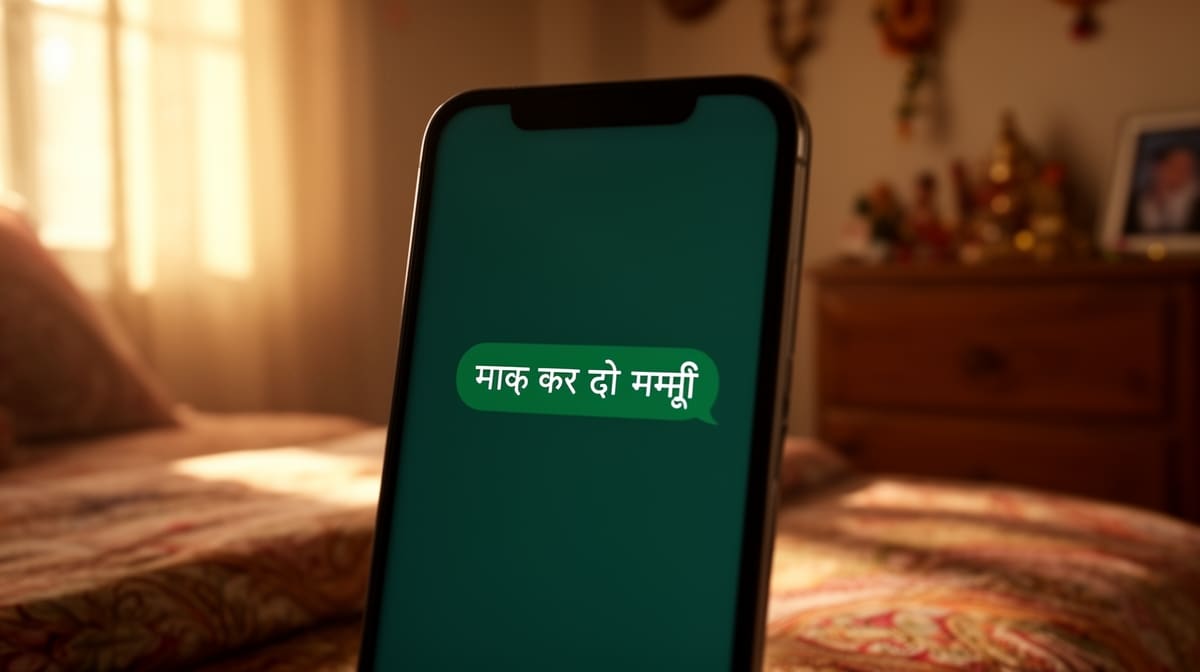
Learned counsel argued that the victim’s WhatsApp message to the petitioner, sent moments before her death, indicated she had chosen to end her life independently. The suicide note, which read “sorry maa mein changi ni ban saki, hor ni hunda”, made no mention of the petitioner. Counsel relied on Aranb Manoranjan Goswami v. State of Maharashtra to assert that abetment requires active, intentional instigation, not passive harassment. They emphasized that the petitioner had pleaded with her not to commit suicide, negating any intent to abet.
For the Respondent
The State and complainant’s counsel contended that the petitioner’s persistent pressure, threats of exposing private content, and alleged stalking created an environment of psychological torment that left the victim with no alternative but to end her life. They argued that the cumulative effect of such conduct amounted to indirect abetment under Section 108 BNS, and that granting bail would risk witness tampering and flight.
The Court's Analysis
The Court undertook a rigorous examination of Section 108 BNS, noting its direct correspondence with Section 306 IPC, and interpreted it in light of Section 45 BNS, which defines abetment as being pari materia with Section 107 IPC. The Court emphasized that abetment is not a strict liability offence; it demands proof of mens rea - a guilty mind coupled with a deliberate act of instigation.
"In order to bring a case within the provisions of Section 108 of the BNS, undoubtedly, there must be a case of suicide and in the commission of the said offence, the person, who is said to have abetted the commission of suicide, must have played an active role by act of instigation and doing certain acts to facilitate the commission of suicide."
The Court held that the prosecution had failed to establish any proximate act of instigation occurring immediately before the suicide. The victim’s final message to the petitioner, coupled with the absence of any reference to him in the suicide note, undermined the claim of direct causation. The Court distinguished between emotional distress caused by general misconduct and the specific, intentional act required for abetment.
It further reiterated the foundational principle that bail is the rule and jail is the exception, and that pre-trial detention must not function as de facto punishment. With the trial expected to last years and no evidence of witness intimidation or flight risk, the Court found no justification for continued custody.
The Verdict
The petitioner won. The Court held that Section 108 BNS requires proof of intentional instigation and mens rea, not mere harassment or emotional pressure. The petitioner was granted regular bail subject to personal and surety bonds, with the Court explicitly stating that its order did not prejudge the merits of the case.
What This Means For Similar Cases
Abetment Requires Proximate Instigation
- Practitioners must now demonstrate a clear, direct link between the accused’s conduct and the act of suicide
- General allegations of emotional abuse, threats, or social pressure are insufficient without evidence of active encouragement or coercion immediately preceding the event
- Defence counsel should focus on the timing and content of communications between the accused and deceased
Suicide Notes Carry Weight in Preliminary Assessment
- A suicide note that does not name or implicate the accused significantly weakens the prosecution’s prima facie case
- WhatsApp messages showing pleas to desist from suicide can rebut allegations of intent to abet
- Courts will prioritize documentary evidence over oral testimony in early-stage bail hearings
Pre-Trial Detention Must Be Justified by Risk, Not Gravity
- The Court reaffirmed that gravity of offence alone cannot justify denial of bail under Section 483 BNSS
- Lengthy custody without trial must be scrutinized under Article 21
- Prosecution must show concrete risk of witness tampering or flight - not speculative concerns