The Kerala High Court has reaffirmed that anticipatory bail cannot be granted when prima facie offences under the Scheduled Castes and Scheduled Tribes (Prevention of Atrocities) Act, 1989 are established. The judgment underscores that Section 18 of the SC/ST (POA) Act operates as a bar to bail where caste-based humiliation or threats are evident, even if the accused and complainant are known to each other.
Background & Facts
The Dispute
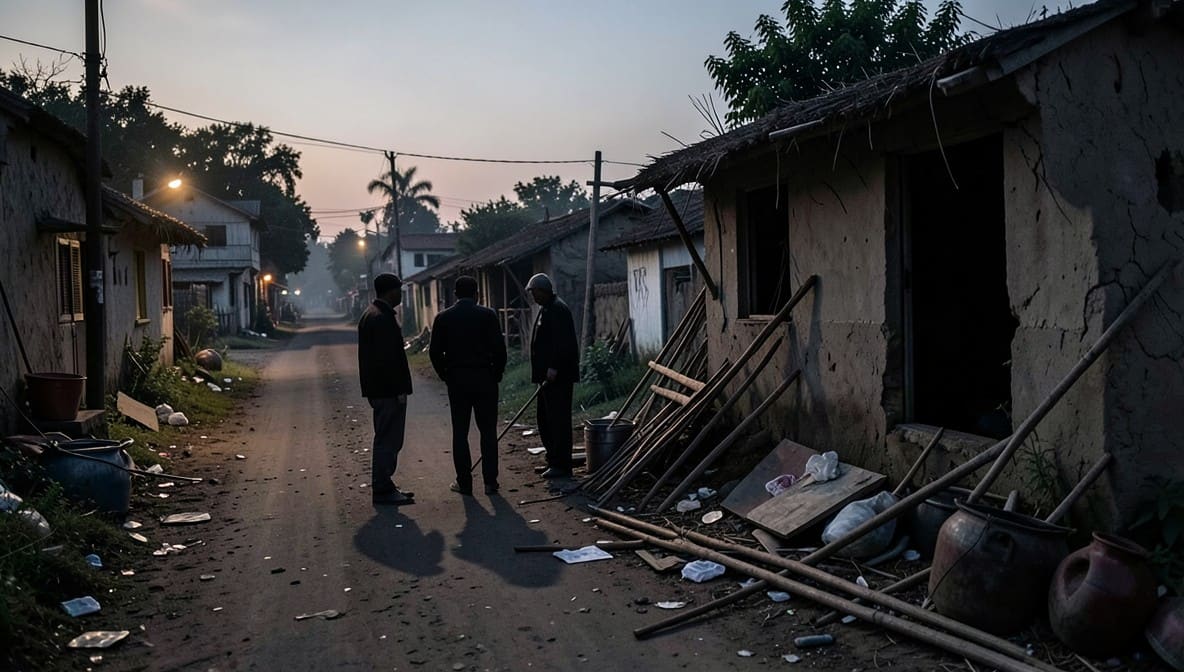
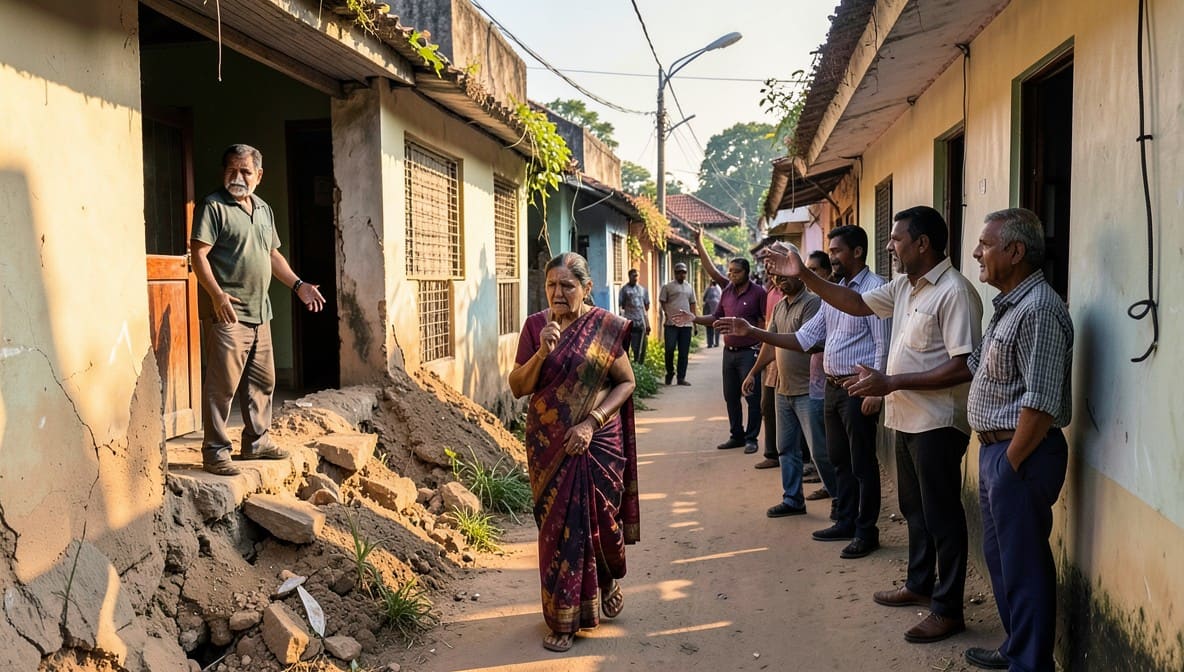
The appellants - Balakrishnan (73), his son Shamal (30), wife Shylaja (58), and daughter Pournami (28) - are accused of assaulting and abusing Aji Lakshmi (28), a member of the Scheduled Caste community, on 08.02.2026. The incident arose from a long-standing dispute over a pathway adjoining their properties. According to the prosecution, the appellants, who belong to the Hindu Thattan community, encroached upon the complainant’s property, assaulted her father, and subjected her to caste-based abuse and threats of arson.
Key Facts
- 08.02.2026: The appellants allegedly widened a pathway by encroaching on the complainant’s property while her father was away at work
- 4.50 pm: Upon returning, the complainant’s father attempted to restore the pathway, leading to a physical altercation with accused Nos. 1 and 2 (Balakrishnan and Shamal)
- The complainant intervened but was beaten on the stomach by Balakrishnan, causing her to fall
- Accused Nos. 3 and 4 (Shylaja and Pournami) abused the complainant using her caste name and threatened to set her on fire
- The complainant belongs to a Scheduled Caste community, while the appellants do not
- Wound certificates (Annexure A2) corroborate injuries sustained by the complainant’s father (abrasion on right elbow, tenderness on left knee) and the complainant (abrasion on left foot)
- 11.02.2026: Marriage of the 4th accused (Pournami) took place, which the appellants claim necessitated clearing the pathway (Annexure A1, wedding invitation)
- 07.10.2014: Prior incident where the complainant’s mother and sister assaulted Balakrishnan, requiring medical treatment (Annexure A2)
Procedural History
- 08.02.2026: Crime No. 153/2026 registered at Perambra Police Station under:
- Sections 126(2), 115(2), and 296(b) r/w 3(5) of Bharatiya Nyaya Sanhita, 2023
- Sections 3(1)(r), 3(1)(s), and 3(2)(va) of the SC/ST (POA) Act
- B.A. No. 346/2026: Appellants filed anticipatory bail application before the Special Court for Trial of SC/ST (POA) Act offences, Kozhikode
- 04.04.2026: Special Court dismissed the bail application, invoking Section 18 of the SC/ST (POA) Act
- 23.06.2026: Appeal heard by the Kerala High Court
- 30.06.2026: High Court delivered judgment dismissing the appeal
Relief Sought
The appellants sought anticipatory bail, contending that:
- The allegations were fabricated to detain them in custody
- The dispute was over a pathway, not caste-based animosity
- No prima facie case existed under the SC/ST (POA) Act
The Legal Issue
The central question was whether Section 18 of the SC/ST (POA) Act bars anticipatory bail when:
- The accused and complainant are known to each other, and
- The prosecution materials prima facie establish caste-based abuse, threats, or humiliation under the Act.
Arguments Presented
For the Appellants
- The dispute was civil in nature, stemming from a long-standing rivalry over a pathway
- The complainant’s allegations of caste-based abuse were false and motivated to secure custody of the appellants
- Annexure A2 (medical certificate) proved a prior assault on Balakrishnan by the complainant’s family, indicating a history of hostility
- Annexure A1 (wedding invitation) demonstrated that the pathway was cleared for a legitimate purpose (the marriage of the 4th accused)
- No prima facie evidence of offences under the SC/ST (POA) Act existed, as the appellants did not intend to humiliate the complainant based on her caste
For the Respondent/State
- The statement of the de facto complainant and wound certificates prima facie established physical assault and caste-based abuse
- The appellants called the complainant by her caste name and threatened to set her on fire, fulfilling the ingredients of Sections 3(1)(r) and 3(1)(s) of the SC/ST (POA) Act
- The incident occurred in public view, with workers present who restrained the appellants, corroborating the complainant’s version
- Section 18 of the SC/ST (POA) Act creates an absolute bar on anticipatory bail when offences under the Act are prima facie made out
- Reliance was placed on Athul P. and Another v. State of Kerala and Another (2026 KLT Online 1051) to argue that the bar applies even if the accused and complainant are known to each other
The Court's Analysis
The Court examined whether the bar under Section 18 of the SC/ST (POA) Act applies when the accused and complainant are acquainted. It held:
"As per Section 18 of the SC/ST (POA) Act, application of Section 438 of the Code of Criminal Procedure would not apply in relation to offences under the SC/ST (POA) Act. In the same phraseology, Section 482 of the Bharatiya Nagarik Suraksha Sanhita, 2023, also has no application in relation to offences under the SC/ST (POA) Act. Thus, grant of anticipatory bail is barred and the bar would apply when the prosecution materials prima facie show commission of offences under the SC/ST (POA) Act."
The Court clarified that the bar under Section 18 is not absolute - it applies only when the prosecution materials prima facie establish the ingredients of offences under the Act. In this case:
- The complainant named the appellants with certainty, indicating prior knowledge of her caste identity
- The appellants abused her using her caste name and threatened to set her on fire, fulfilling the ingredients of Sections 3(1)(r) and 3(1)(s) of the SC/ST (POA) Act
- The wound certificates and statement of the complainant corroborated the allegations
- The public nature of the incident (workers present) further supported the complainant’s version
The Court distinguished the case from scenarios where no prima facie offence is made out, emphasizing that caste-based humiliation in public view triggers the Section 18 bar. It relied on its earlier decisions in Biju v. State of Kerala (2024 KHC 1189) and xxx v. State of Kerala (2023(2) KHC SN 13) to hold that anticipatory bail cannot be granted when offences under the SC/ST (POA) Act are prima facie established.
The Verdict
The Kerala High Court dismissed the appeal, confirming the Special Court’s order dated 04.04.2026 that denied anticipatory bail to the appellants. The Court directed the appellants to surrender before the Investigating Officer forthwith, failing which the police were at liberty to arrest them to proceed with the investigation.
What This Means For Similar Cases
Prima Facie Offence Under SC/ST (POA) Act Triggers Section 18 Bar
- Section 18 of the SC/ST (POA) Act creates a presumptive bar on anticipatory bail when offences under the Act are prima facie made out
- Courts will not grant anticipatory bail if the prosecution materials show:
- Caste-based abuse (e.g., calling by caste name)
- Threats or intimidation aimed at humiliating the victim based on caste
- Public humiliation (e.g., incidents witnessed by third parties)
- The bar applies even if the accused and complainant are known to each other, as knowledge of caste identity can be inferred under Section 8 of the SC/ST (POA) Act
Burden on Accused to Disprove Prima Facie Case
- The accused must demonstrate that no prima facie offence under the SC/ST (POA) Act exists to overcome the Section 18 bar
- Mere denial of caste-based intent is insufficient - corroborative evidence (e.g., prior civil disputes, lack of caste-based animosity) must be produced
- Wound certificates, medical evidence, and third-party testimonies play a crucial role in establishing or disproving the prima facie case
Strategic Considerations for Practitioners
- For Prosecution: Emphasize public nature of the incident, caste-based slurs, and corroborative evidence (e.g., wound certificates) to invoke the Section 18 bar
- For Defence: Argue that the dispute is civil in nature and that no caste-based intent exists. Highlight prior hostilities or alternative motives to weaken the prima facie case
- Bail Applications: If filing for anticipatory bail, address Section 18 upfront and demonstrate why the prosecution materials do not prima facie establish offences under the SC/ST (POA) Act