The National Green Tribunal (NGT) has clarified a critical jurisdictional boundary in industrial accident cases: Section 17 of the NGT Act bars additional compensation claims where workmen have already received benefits under the Workmen's Compensation Act, 1923. This ruling, stemming from a boiler explosion in Jalna that injured 22 workers, establishes that the NGT's remedial powers under Section 15 do not extend to workmen already covered by other statutory compensation schemes, even in cases of environmental violations.
Background & Facts
The Dispute
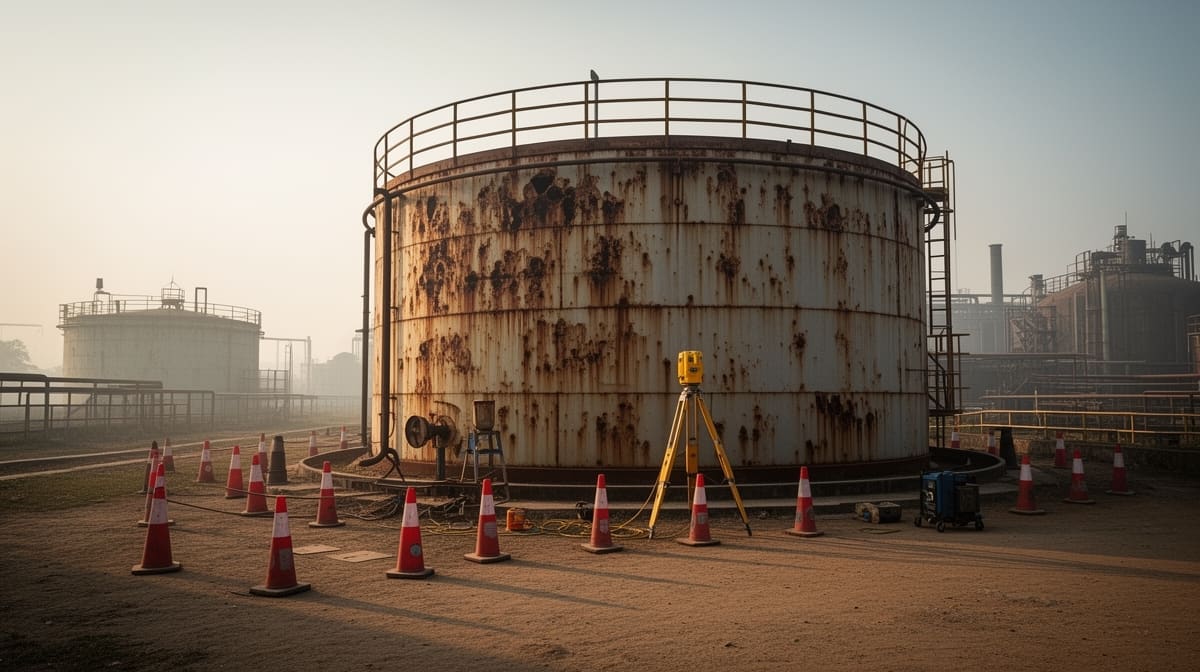
The case originated from a news report published in India TV on 24.08.2024, titled "Maharashtra: 22 Workers Injured in Boiler Explosion at Steel Factory in Jalna". The incident occurred at Gajkesari Steel & Alloys Private Limited, where a boiler explosion resulted in fatalities and injuries among workers. The matter was brought before the Western Zone Bench of the NGT through Original Application No. 181/2024 (WZ).
Key Facts
- Incident Date: 24.08.2024 (as reported in media)
- Location: Gajkesari Steel & Alloys Private Limited, Jalna, Maharashtra
- Casualties: 7 deceased workers and 15 injured workers
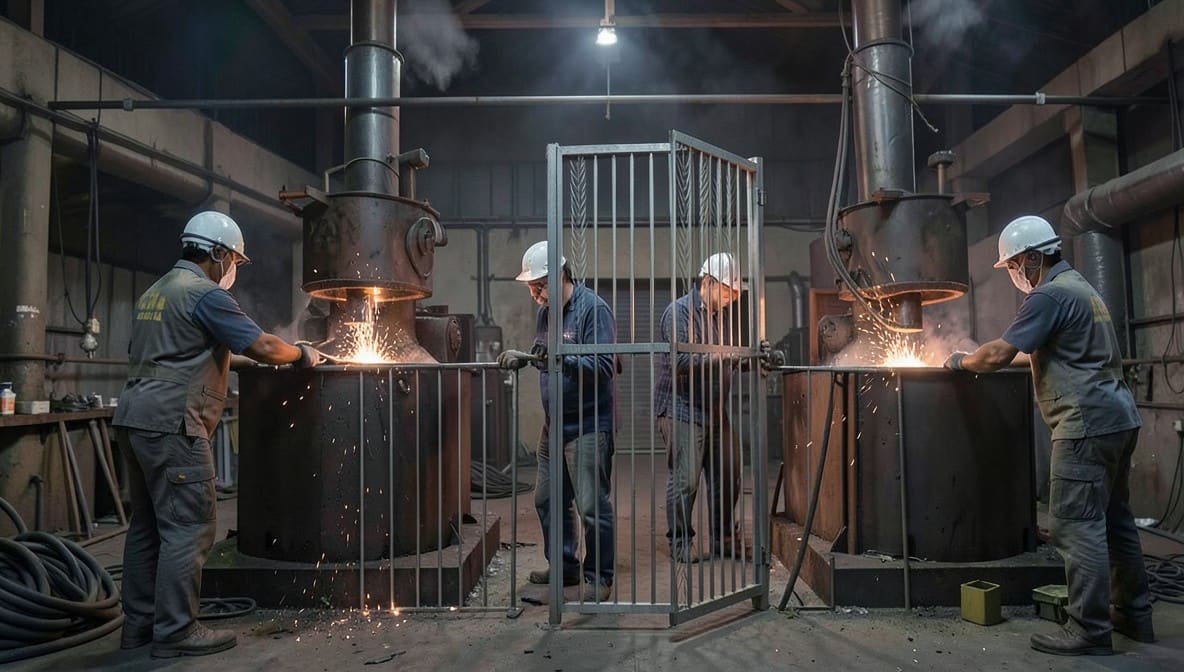
- Safety Measures Alleged: The factory claimed to have implemented safety protocols, including:
- Triple checks for sealed scrap containers
- Metallic safety curtains between furnaces
- Regular safety audits and housekeeping measures
- Personal protective equipment (PPE) for workers
- Compensation Paid: The factory submitted a tabular statement detailing compensation paid to deceased workers under the Workmen's Compensation Act, 1923 (Column 'G' in the table).
Procedural History
- 24.08.2024: News report published in India TV
- 07.01.2026: NGT passed an interim order directing respondents to file replies
- 20.06.2026: Respondent No. 5 (DISH) filed an additional reply detailing safety measures
- 17.03.2026: Respondent No. 4 (Gajkesari Steel) filed a compilation of legal arguments, including a tabular statement of compensation paid
- 18.03.2026: Matter reserved for orders
- 07.04.2026: Final order pronounced
The Parties' Positions
For the Applicant (News Item)
The applicant relied on the NGT's precedent in Sarla Verma v. Delhi Transport Corporation to argue that the legal heirs of deceased workers were entitled to compensation under Section 15 of the NGT Act, regardless of payments made under other statutes. The applicant contended that the absolute liability principle established in M.C. Mehta v. Union of India (1987) applied, as the factory was engaged in hazardous activity.
For the Respondent (Gajkesari Steel)
The respondent vehemently argued that Section 17(1) of the NGT Act explicitly bars the Tribunal from adjudicating compensation claims for workmen already covered under the Workmen's Compensation Act, 1923. They submitted that:
- Compensation had already been paid to all deceased workers under the Workmen's Compensation Act (Column 'G' in the table)
- The difference between the Sarla Verma standard and the paid amount was detailed in Column 'K' of the table
- The NGT lacked jurisdiction to award additional compensation, as the statutory bar under Section 17 was attracted
Relief Sought
The applicant sought:
- Compensation for the legal heirs of deceased workers under Section 15 of the NGT Act
- Directions for improved safety measures and compliance with environmental regulations
- Accountability for lapses leading to the explosion
The Legal Issue
The central question was whether Section 17(1) of the NGT Act bars the Tribunal from awarding compensation under Section 15 to workmen who have already received benefits under the Workmen's Compensation Act, 1923, even in cases involving hazardous industrial activities and environmental violations.
Arguments Presented
For the Applicant
- Absolute Liability Principle: Cited M.C. Mehta v. Union of India to argue that industries engaged in hazardous activities are absolutely liable for accidents, regardless of negligence.
- NGT's Jurisdiction: Contended that Section 15 of the NGT Act empowers the Tribunal to award compensation for environmental harm, and Section 17 only bars duplicate claims where compensation has already been paid.
- Restitution Principle: Argued that victims, being "poorest of the poor," deserved restitution, and the Sarla Verma standard should apply.
- Statutory Compliance: Highlighted the factory's alleged non-compliance with Environmental Protection Act (EP Act) Rules, 1989, including lack of mock drills and safety plans.
For the Respondent
-
Statutory Bar: Relied on Section 17(1) of the NGT Act, which states:
"No application for grant of any compensation or relief or restitution of property or environment under this Act shall be entertained by the Tribunal unless it is made within a period of five years from the date on which the cause for such compensation or relief first arose: Provided that the Tribunal may, if it is satisfied that the applicant was prevented by sufficient cause from filing the application within the said period, allow it to be filed within a further period not exceeding sixty days."
The respondent argued that the proviso to Section 17(1) bars claims for workmen already compensated under other laws.
-
Compensation Already Paid: Submitted that all deceased workers had received compensation under the Workmen's Compensation Act, 1923, and no additional relief was warranted.
-
No Jurisdiction: Contended that the NGT could not adjudicate claims already settled under another statute, as this would amount to double compensation.
-
Safety Measures: Argued that the factory had implemented adequate safety protocols, including safety curtains, PPE, and regular audits.
The Court's Analysis
The NGT examined the interplay between Section 15 and Section 17 of the NGT Act, along with its own precedents, to resolve the jurisdictional conflict.
-
Precedent Analysis: The Tribunal relied on its order dated 09.02.2026 in a similar case (News items titled "Four workers killed in storage tank explosion at Gujarat Industrial Unit"). In that case, it was held:
"The bar under Section 17 of the NGT Act will apply only if the Project Proponent (PP) has paid compensation under the Workmen Compensation Act or any other law and not otherwise. The object of the bar is to avoid duplication, and if no compensation has been paid, the NGT can award compensation at least at the floor level."
The Tribunal further clarified:
"While if workmen are covered by the Workmen Compensation Act, 1923 and are paid compensation under the provisions of the said Act, there can be no claim under the NGT Act. Where compensation under the Workmen Compensation Act has not been paid by the PP, the said bar will not apply, and the NGT can direct payment of floor-level compensation."
-
Application to the Present Case: The Tribunal noted that in the instant case, compensation had already been paid under the Workmen's Compensation Act, 1923 (as evidenced by Column 'G' in the table). Therefore, the bar under Section 17(1) was attracted, and no additional compensation could be awarded.
-
Absolute Liability vs. Statutory Bar: The Tribunal acknowledged the absolute liability principle from M.C. Mehta but held that Section 17 created a jurisdictional bar that could not be overridden by general principles of environmental law. The object of Section 17 was to prevent double compensation, and since the workmen had already been compensated, the NGT lacked authority to intervene.
-
Safety and Compliance: The Tribunal took note of the factory's submissions regarding safety measures but did not issue any directions, as the primary legal issue was the compensation bar under Section 17.
The Verdict
The NGT dismissed the application, holding that:
- No Additional Compensation: Since the deceased workers had already received compensation under the Workmen's Compensation Act, 1923, Section 17(1) of the NGT Act barred any further relief under Section 15.
- No Directions for Safety Measures: The Tribunal did not issue any directions regarding safety protocols or environmental compliance, as the jurisdictional bar was the sole determinative factor.
- Disposal of Application: The Original Application No. 181/2024 (WZ) was disposed of without any additional directions.
What This Means For Similar Cases
The Jurisdictional Bar Under Section 17 Is Absolute
- Practitioners must verify compensation payments under other statutes before filing claims under the NGT Act. If workmen have received benefits under the Workmen's Compensation Act, 1923, Section 17(1) will bar additional relief, regardless of the absolute liability principle.
- Industries engaged in hazardous activities can avoid dual liability by ensuring compliance with the Workmen's Compensation Act. Once compensation is paid under this statute, the NGT cannot award further relief.
Environmental Violations Do Not Override Statutory Bars
- The NGT's powers under Section 15 are not unlimited. Even in cases of environmental harm or hazardous activities, Section 17 creates a jurisdictional bar that must be respected.
- Victims' advocates should explore remedies under other statutes (e.g., EP Act, Factories Act) if the NGT Act is barred.
Safety Audits and Compliance Remain Critical
-
While the Tribunal did not issue directions in this case, industries must proactively comply with safety regulations to avoid criminal liability and regulatory action.
-
Mock drills, onsite/offsite plans, and statutory compliances under the EP Act Rules, 1989 are essential to mitigate risks and potential liabilities.
-
For Legal Practitioners:
- Always check if workmen have received compensation under other laws before filing NGT claims.
- Argue absolute liability only where Section 17 is not attracted.
- Highlight non-compliance with safety regulations to strengthen cases where Section 17 does not apply.
-
For Industries:
- Ensure compliance with Workmen's Compensation Act to avoid dual liability.
- Maintain detailed records of safety audits and housekeeping measures to defend against future claims.
- Implement triple checks for hazardous materials and safety curtains to prevent accidents.
-
For Victims/Workers:
- Seek remedies under Workmen's Compensation Act first, as NGT relief may be barred.
- Document safety lapses and non-compliance to support claims under other statutes if NGT jurisdiction is unavailable.