The Chhattisgarh High Court has clarified that while a claim for compensation under Section 166 of the Motor Vehicles Act, 1988 cannot succeed when the deceased was both owner and driver whose own negligence caused the accident, the legal heirs are still entitled to the contracted personal accident benefit under the insurance policy. This ruling reinforces the distinction between tortious liability and contractual indemnity in motor accident claims.
Background & Facts
The Dispute
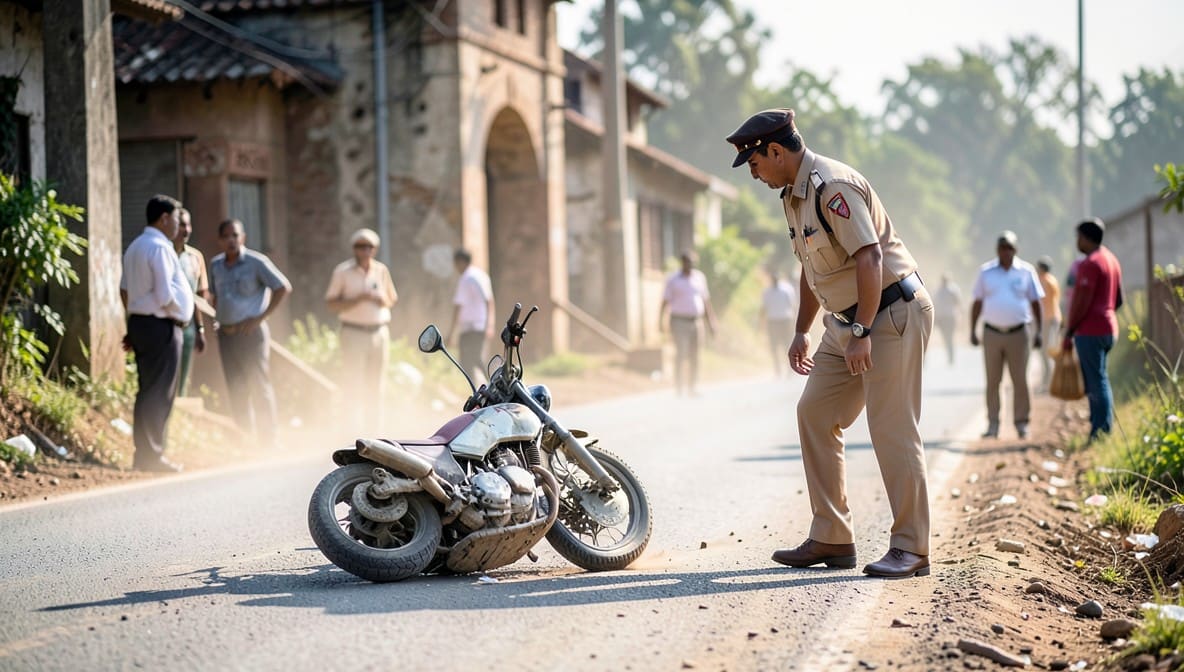
The appellant, Sariskila Patel, widow of Ashish Patel, filed a claim petition under Section 166 of the Motor Vehicles Act, 1988 seeking compensation for the death of her husband, who died in a single-vehicle accident on 03.01.2019. Ashish Patel was the owner and driver of the vehicle at the time of the accident. The accident occurred due to mechanical failure attributed to his own rash and negligent driving. No other vehicle was involved. The claim was filed against himself as respondent No. 1 (owner) and Ifco Tokyo General National Insurance Company Limited as respondent No. 2 (insurer).
Key Facts
- The deceased, Ashish Patel, aged approximately 30 years, was the sole occupant of the vehicle at the time of the accident on 03.01.2019.
- The vehicle was insured under a comprehensive policy with personal accident cover for the owner-driver.
- A premium of Rs. 100/- was paid specifically for personal accident cover for the owner-driver.
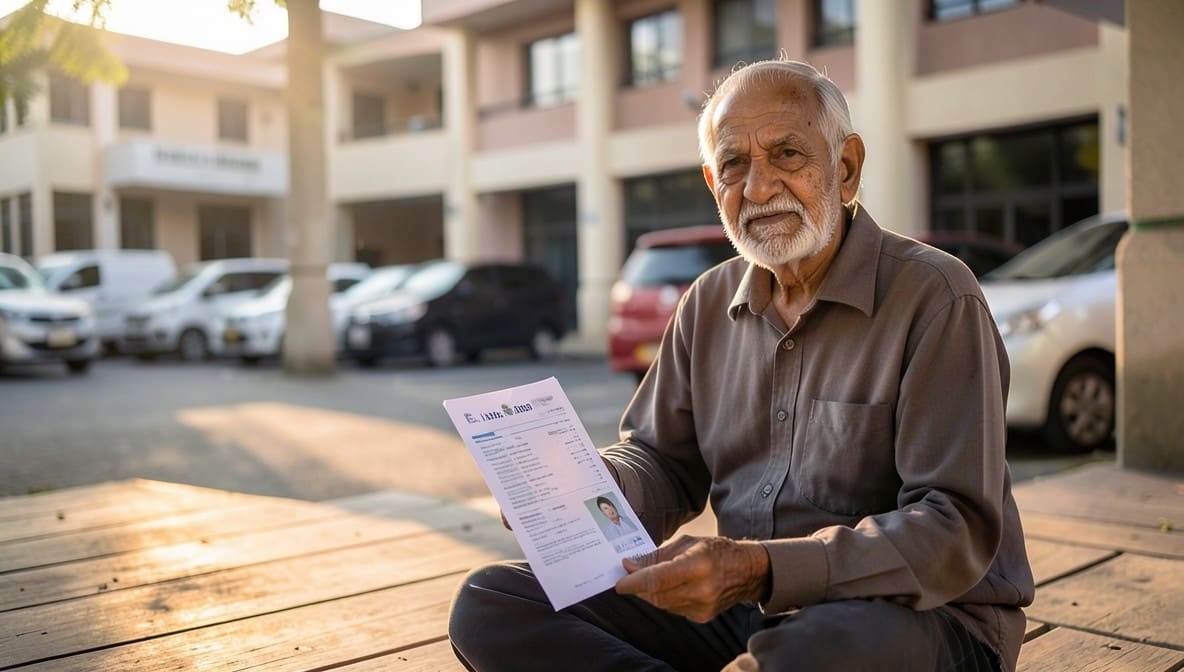
- The insurance policy (Ex. D/1) stipulated a personal accident benefit of Rs. 1,00,000/- for the owner-driver in case of death.
- The Motor Accident Claims Tribunal, Pratappur, awarded Rs. 50,000/- as compensation, treating it as the full extent of liability.
- The appellant contended that the award was grossly inadequate and sought enhancement.
- The insurer did not dispute the existence of the personal accident cover but argued the claim was not maintainable under Section 166.
Procedural History
- 03.01.2019: Date of accident resulting in death of Ashish Patel.
- 05.01.2019: Claim petition filed before the Additional Motor Accident Claims Tribunal, Pratappur (Claim Case No. 02/2019).
- 24.12.2019: Tribunal awarded Rs. 50,000/- as compensation, holding the claim maintainable.
- 15.01.2020: Appeal filed before the High Court under Section 173 of the Motor Vehicles Act, 1988 (MAC No. 131 of 2020).
- 07.05.2026: Hearing concluded and judgment delivered by the High Court.
Relief Sought
The appellant sought enhancement of compensation from Rs. 50,000/- to a reasonable amount reflecting the loss of dependency, including future income, funeral expenses, and solatium. Alternatively, she sought full payment of the Rs. 1,00,000/- personal accident benefit under the policy.
The Legal Issue
The central question was whether the legal heirs of a deceased owner-driver, who died due to his own negligent driving in a single-vehicle accident, can claim compensation under Section 166 of the Motor Vehicles Act, 1988, and whether the insurer is liable to pay the contracted personal accident benefit despite the absence of third-party liability.
Arguments Presented
For the Appellant
Counsel for the appellant relied on the insurance policy (Ex. D/1) to argue that the insurer had contracted to pay Rs. 1,00,000/- for the death of the owner-driver, irrespective of fault. He submitted that while the claim under Section 166 may be barred by the principle of self-negligence, the personal accident cover is a separate contractual obligation that must be honored. He cited National Insurance Company Limited v. Ashalata Bhowmick to acknowledge the bar on tortious claims but insisted the policy benefit was distinct.
For the Respondent
Counsel for the insurer supported the Tribunal’s award of Rs. 50,000/- and argued that since the deceased was not a third party, no liability arose under the Act. However, the insurer did not dispute the existence of the personal accident cover or the amount payable under it. The insurer conceded that Rs. 1,00,000/- was the contractual liability but maintained that the Tribunal had already awarded half of it, and no further liability existed.
The Court's Analysis
The Court began by affirming the binding precedent in National Insurance Company Limited v. Ashalata Bhowmick, which held that a claim under Section 166 of the Motor Vehicles Act cannot be maintained when the deceased is the owner-driver whose own negligence caused the accident. The Court observed:
"The deceased being the owner of the offending vehicle was not a third party within the meaning of the Act. The deceased was the victim of his own action of rash and negligent driving. A claimant, in our view, cannot maintain a claim on the basis of his own fault or negligence..."
The Court emphasized that the statutory claim under Section 166 is rooted in third-party liability and cannot be extended to self-inflicted harm. However, the Court turned to the insurance policy (Ex. D/1), noting that the premium of Rs. 100/- was specifically paid for personal accident cover for the owner-driver. The policy terms clearly stipulated a liability of Rs. 1,00,000/- in the event of death of the owner-driver.
The Court held that while the tortious claim under the Act is extinguished by the deceased’s own fault, the contractual obligation under the insurance policy remains enforceable. The Tribunal’s award of Rs. 50,000/- was treated as partial payment of the contractual benefit. The Court concluded that the appellant was entitled to the remaining Rs. 50,000/- as the balance of the contracted amount.
The Court further clarified that interest on the enhanced amount must run from the date of filing the claim petition, as the insurer had delayed payment despite clear contractual liability.
The Verdict
The appeal was allowed in part. The Court modified the impugned award of Rs. 50,000/- by enhancing it to Rs. 1,00,000/-. The insurer, respondent No. 2, is directed to deposit the additional compensation of Rs. 50,000/- within 30 days of receipt of a copy of this order. The enhanced amount shall carry interest at 6% per annum from 03.01.2019 until realization. The balance of the impugned award remains unchanged. The insurer’s liability under the policy is fully discharged upon payment.
What This Means For Similar Cases
Contractual Benefits Survive Statutory Bars
- Practitioners must distinguish between statutory claims under Section 166 and contractual benefits under insurance policies.
- Even if a claim under the Motor Vehicles Act is barred due to self-negligence, the insurer remains liable for personal accident benefits if premiums were paid for such coverage.
- Legal heirs should always plead and prove the existence of personal accident cover as an independent cause of action.
Policy Terms Trump General Principles
- Insurance policies are contracts of indemnity, not tortious liability.
- Courts will enforce the express terms of the policy, even where the accident arises from the insured’s own fault.
- Premium payment for specific coverage (e.g., owner-driver PA) creates a binding obligation, irrespective of fault allocation under the Act.
Strategic Implications for Claimants
- In single-vehicle accidents involving owner-drivers, file claims for both Section 166 compensation AND contractual personal accident benefits.
- Always obtain and produce the insurance policy document as evidence - the premium paid and coverage amount are decisive.
- Seek interest from the date of filing the claim petition, as the Court has now affirmed this as the correct starting point for contractual delays.