The Madhya Pradesh High Court has clarified that a wife’s decision to reside separately due to dowry demands and cruelty by her husband constitutes sufficient cause under Section 125 of the CrPC, entitling her to maintenance. This ruling reinforces the principle that economic and emotional abuse are valid grounds for seeking statutory relief, overturning a Family Court’s erroneous dismissal based on a narrow interpretation of separation.
Background & Facts
The Dispute
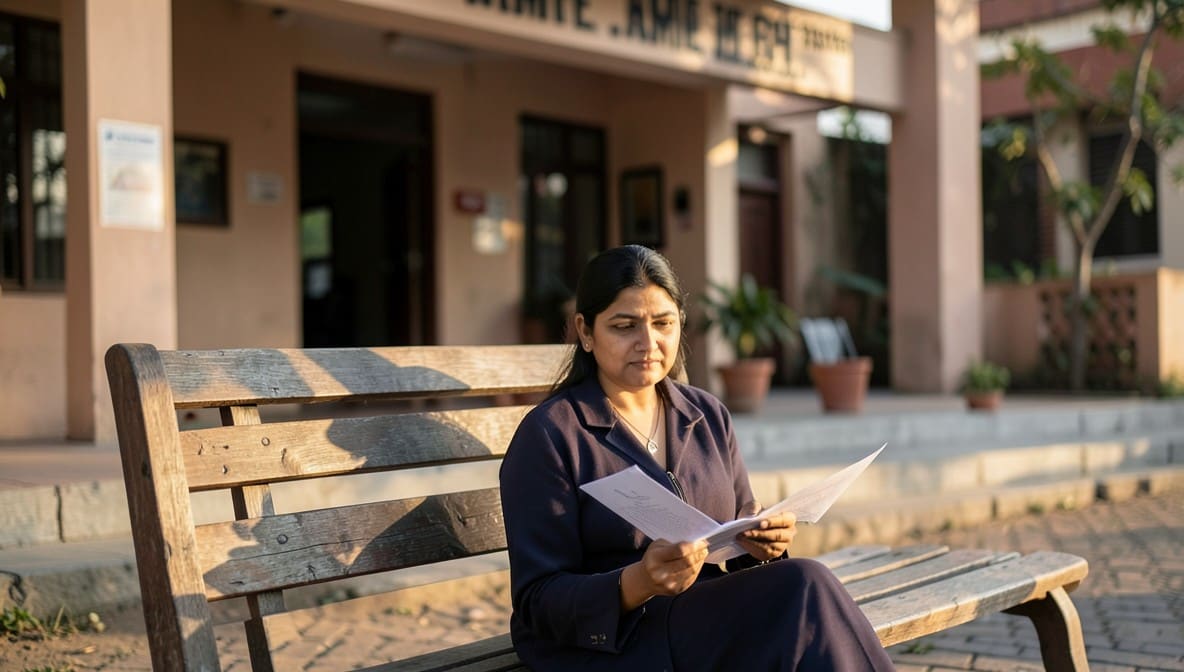
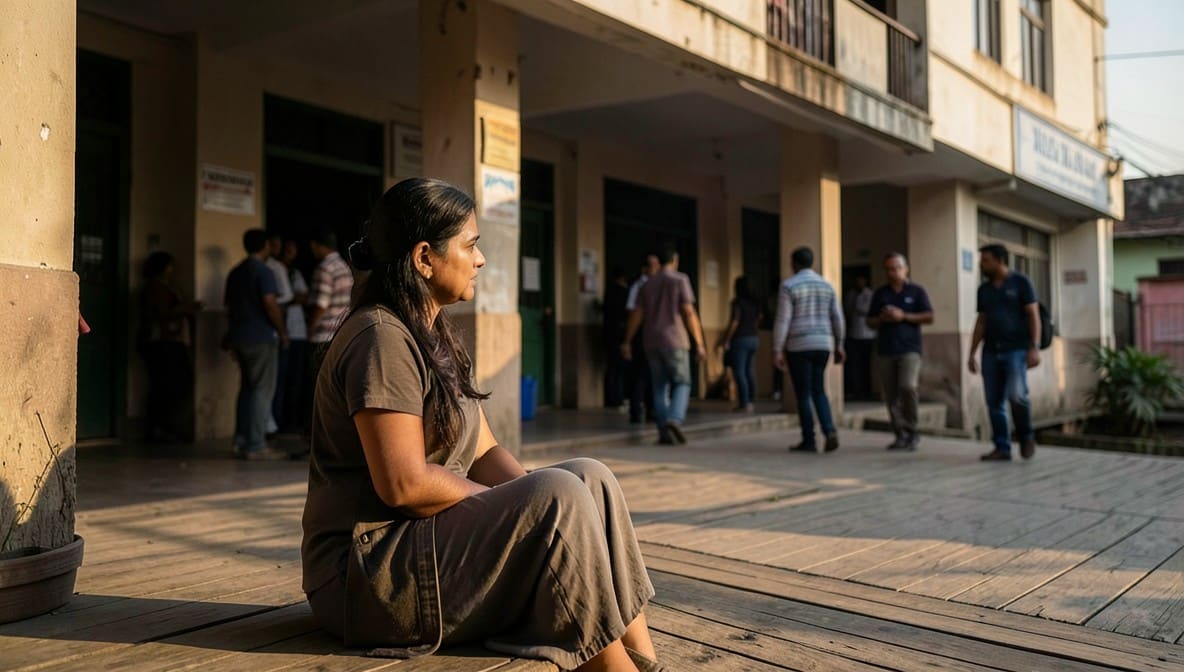
The petitioner, Smt. Babita Bai, filed an application under Section 125 of the Code of Criminal Procedure before the Family Court, Chhindwara, seeking maintenance from her husband, Mayaram Kumre. She alleged that she was subjected to continuous cruelty and harassment for dowry, leading her to leave the matrimonial home. The Family Court dismissed her application on the sole ground that she was residing separately without sufficient cause, despite acknowledging in paragraphs 6 and 7 of its order that she had lodged a complaint regarding dowry demands.
Key Facts
- The petitioner married the respondent on an unspecified date prior to 2014
- She alleged repeated demands for dowry, including cash, gold, and household items
- She filed a complaint under Section 498A IPC against the respondent and his family on 10.08.2014
- The complaint was registered as FIR No. 217/2014 at Police Station Chhindwara
- She left the matrimonial home on or about 15.07.2014 following an incident of physical and verbal abuse related to dowry
- She filed the Section 125 CrPC application on 05.09.2014
- The Family Court heard the matter and passed the impugned order on 26.11.2014
Procedural History
- 05.09.2014: Petitioner filed application under Section 125 CrPC before Family Court, Chhindwara (Misc. Cr. Case No. 178/2014)
- 10.08.2014: FIR No. 217/2014 registered under Section 498A IPC
- 26.11.2014: Family Court dismissed the Section 125 application, holding that petitioner resided separately without sufficient cause
- 21.04.2015: Criminal Revision No. 388/2015 filed before the High Court, Jabalpur
- 21.04.2026: Judgment delivered by Justice Dwarka Dhish Bansal
The Parties' Positions
For the Petitioner
The petitioner’s counsel argued that the Family Court’s dismissal was legally flawed because it ignored its own findings that dowry demands and cruelty had occurred. He relied on Vijay Kumar v. Smt. Sunita and Rajesh Sharma v. State of U.P. to assert that cruelty and dowry harassment are recognized sufficient causes under Section 125 CrPC.
For the Respondent
The respondent’s counsel contended that the petitioner had left the matrimonial home voluntarily and without justification, and that the mere filing of a complaint under Section 498A IPC did not automatically establish sufficient cause for separation. He argued that the petitioner had not produced evidence of physical violence or continuous harassment.
Relief Sought
The petitioner sought setting aside of the Family Court’s order dated 26.11.2014, restoration of her Section 125 CrPC application, and direction to the Family Court to decide the application on merits, including determination of a reasonable monthly maintenance amount.
The Legal Issue
The central question was whether dowry demand and cruelty, as acknowledged by the Family Court itself, constitute sufficient cause under Section 125 of the CrPC for a wife to reside separately and claim maintenance.
Arguments Presented
For the Petitioner
The petitioner’s counsel contended that the Family Court’s own findings in paragraphs 6 and 7 admitted the occurrence of dowry demands and cruelty. He cited Rajesh Sharma v. State of U.P. to emphasize that mental cruelty arising from dowry harassment is sufficient to justify separation. He further argued that Section 125 CrPC is a remedial provision meant to prevent destitution and should be interpreted liberally in favor of women.
For the Respondent
The respondent’s counsel maintained that the petitioner had not proven continuous cruelty or physical abuse, and that the mere existence of a complaint under Section 498A IPC was not conclusive evidence of sufficient cause. He relied on Smt. Sushila Devi v. Smt. Rameshwar to argue that separation must be shown to be compelled by necessity, not mere discord.
The Court's Analysis
The Court observed that the Family Court had recorded in paragraphs 6 and 7 that the petitioner had lodged a complaint regarding dowry demands and cruelty, yet still dismissed the application on the ground of absence of sufficient cause. This was held to be a clear legal error.
"If the petitioner/wife lodged a complaint against the respondent/husband regarding demand of dowry and cruelty, it was a sufficient ground to reside separately by the petitioner/wife."
The Court emphasized that Section 125 CrPC is a social welfare provision designed to protect women from economic neglect. The law does not require a wife to endure cruelty to retain her right to maintenance. The Court distinguished Smt. Sushila Devi on the basis that it involved mutual estrangement without allegations of dowry or abuse, whereas here, the husband’s conduct was the initiating factor.
The Court further noted that the Family Court’s reasoning was internally contradictory: it accepted the factual basis of the complaint but denied its legal consequence. This amounted to a failure to apply the law correctly and constituted a jurisdictional error.
The Verdict
The petition succeeded. The High Court set aside the Family Court’s order dated 26.11.2014 and remanded the Section 125 CrPC application to the Family Court for fresh adjudication. The Family Court was directed to restore the application to its original number and decide it afresh without being influenced by the impugned order. Both parties were directed to appear before the Family Court on 15.05.2026. If either party failed to appear, the Family Court was directed to issue fresh summons to secure their presence. Pending applications were disposed of.
What This Means For Similar Cases
Dowry Harassment Is Sufficient Cause Under Section 125 CrPC
- Practitioners must now argue that any documented dowry demand, even without physical violence, qualifies as mental cruelty under Section 125 CrPC
- A complaint under Section 498A IPC, if recorded by the court, is sufficient to establish sufficient cause for separation
- Courts cannot dismiss maintenance applications on the ground of separation alone when cruelty is admitted
Family Courts Must Apply Law Consistently with Findings
- When a Family Court records facts of cruelty or dowry demand, it is legally bound to treat them as sufficient cause under Section 125 CrPC
- Dismissing applications on technical grounds while acknowledging the underlying abuse constitutes reversible error
- Advocates should cite this judgment to challenge dismissals based on "voluntary separation" where abuse is alleged and recorded
Procedural Compliance in Maintenance Cases
- Courts must not treat Section 125 applications as civil disputes requiring proof beyond reasonable doubt
- The standard is one of probability and humanitarian relief, not criminal conviction
- Remand orders must be explicit: applications must be decided afresh, not merely reconsidered under the same flawed reasoning