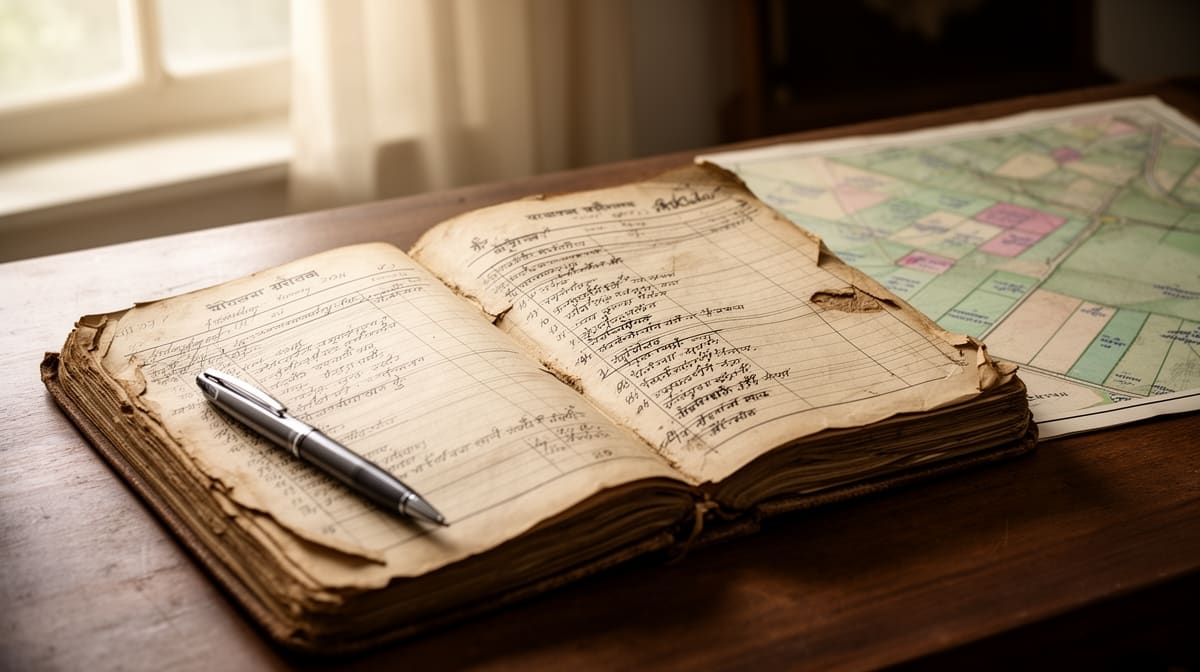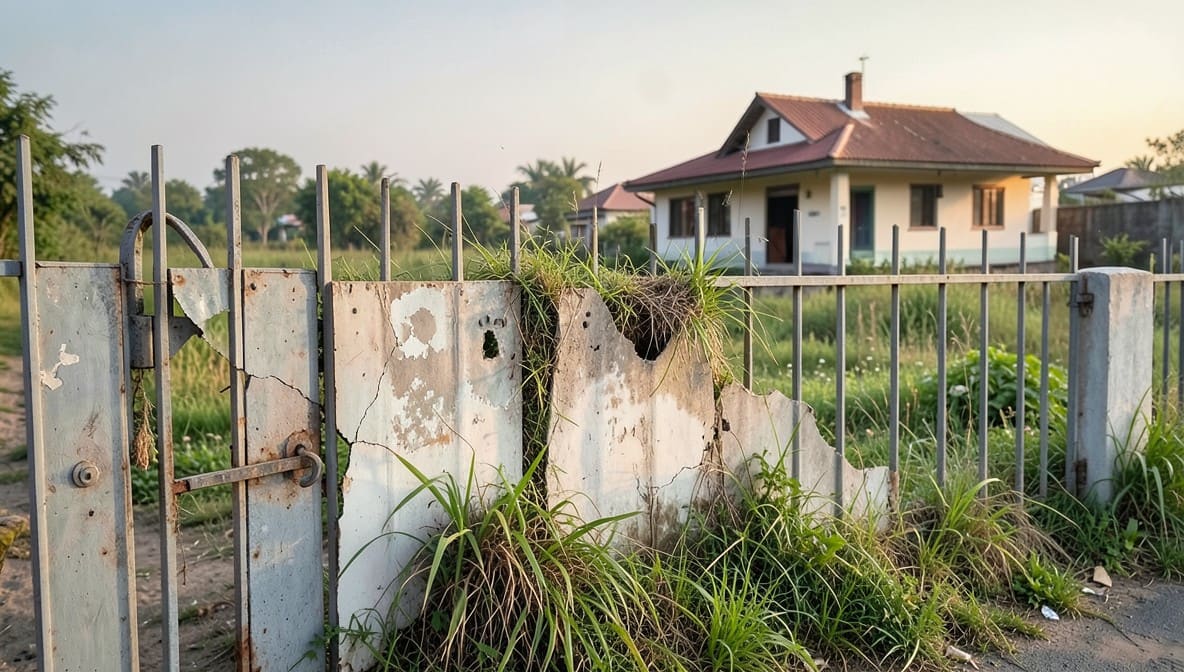
A landmark ruling by the Andhra Pradesh High Court reinforces that a plaintiff seeking a permanent injunction must establish actual, exclusive, and lawful possession of the property as of the date of filing the suit. Mere claims of title, tax payments, or historical possession are insufficient without concrete proof of current possession. This judgment restores the foundational principle that injunctions are protective remedies, not tools to adjudicate disputed titles.
Background & Facts
The Dispute
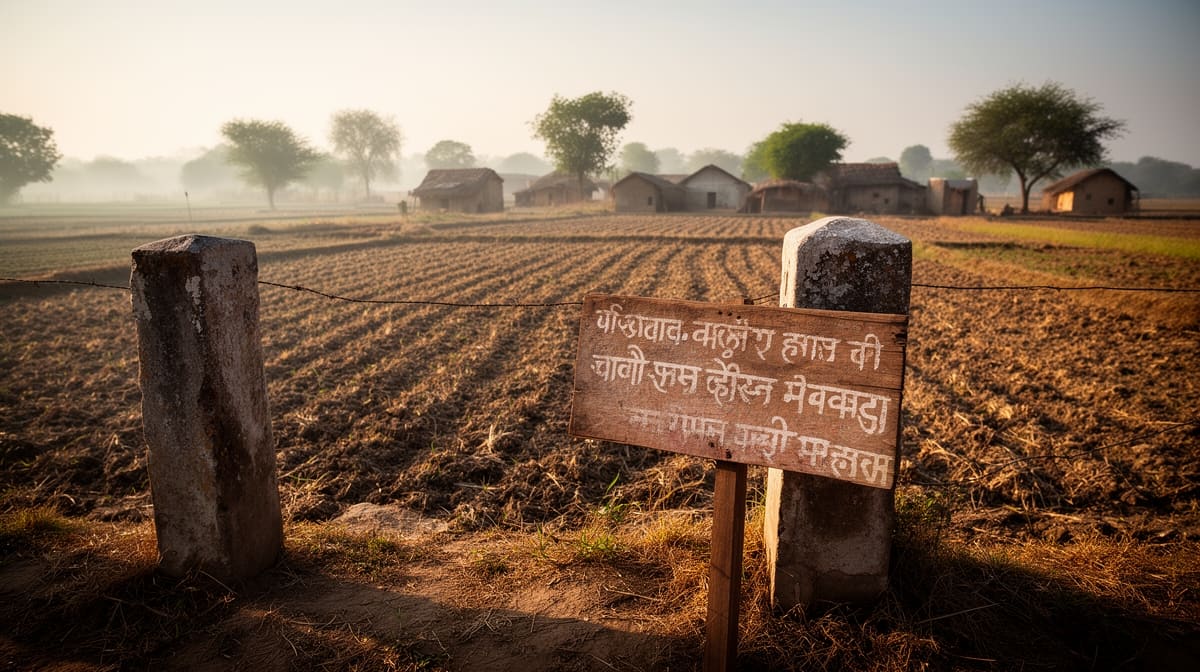
The dispute centers on a 16-acre parcel of land in West Godavari District, claimed by two branches of the same family. The plaintiffs, descendants of Bheemaiah, allege that their ancestor received the southern half of a 32-acre plot through an oral partition from Mukkaiah, the defendants’ father. The defendants, descendants of Mukkaiah, contend that their father purchased the entire 32 acres directly from the original zamindar and have held continuous possession since.
Procedural History
- 1990: Plaintiffs filed O.S. No. 593 seeking permanent injunction against defendants’ interference.
- 1999: Trial Court dismissed the suit, holding plaintiffs failed to prove possession.
- 2006: First Appellate Court reversed the trial judgment, granting injunction to plaintiffs.
- 2026: Second Appeal filed before Andhra Pradesh High Court under Section 100 CPC.
Relief Sought
The plaintiffs sought a permanent injunction restraining the defendants from trespassing or interfering with their possession of the 16-acre schedule property. They did not seek a declaration of title or possession, relying solely on the claim of existing possession.
The Legal Issue
The central question was whether a plaintiff can obtain a permanent injunction under Section 38 of the Specific Relief Act without proving exclusive, peaceful, and lawful possession of the property as of the date of filing the suit, particularly when title is disputed and no declaration is sought.
Arguments Presented
For the Appellant
The appellants argued that the First Appellate Court erred in reversing the trial court’s factual findings. They contended that the plaintiffs failed to produce any documentary evidence of partition, lacked personal testimony from key witnesses, and relied on inadmissible tax receipts and third-party documents. They cited Bhagwan Sharma v. Bani Ghosh and Kondira Dagadu Kadam v. Savitribai Sopan Gujar to assert that appellate courts cannot substitute their view of facts unless findings are perverse or legally unsustainable.
For the Respondent
The respondents relied on Ananthula Sudhakar v. P. Buchi Reddy to argue that possession alone, even without title, entitles a person to protection against interference. They contended that the defendants’ own suit in O.S. No. 678/1988 admitted the existence of two separate 16-acre shares, thereby supporting the plaintiffs’ claim. They also cited Rame Gowda v. M. Varadappa Naidu to argue that peaceful possession must be protected regardless of title disputes.
The Court's Analysis
The Court emphasized that injunction is a remedy to protect possession, not to establish title. It held that the plaintiffs bore the burden of proving they were in lawful, exclusive, and peaceful possession as of the suit date. The Court meticulously reviewed the evidence:
"The plaintiffs have not filed any single document or failed to produce any evidence to show that the predecessors of the plaintiffs and the defendants paid amount to the original owner of Ac.32.00 cents."
The Court found that P.W.1, the only direct descendant, was only 10 years old at the time of partition and had no personal knowledge of acquisition or division. P.W.2 and P.W.3 were relatives with no direct knowledge of possession. The tax receipts (Ex.A-4, A-10) did not specify the survey number, rendering them irrelevant. Ex.A-1 to A-3, from a separate suit, were misinterpreted: the defendants’ plea of "mistaken recording" in revenue records did not constitute an admission of the plaintiffs’ possession.
The Court distinguished Ananthula Sudhakar by noting that case involved undisputed possession. Here, title was actively disputed, and the plaintiffs never sought a declaration. The Court held:
"In a suit for bare injunction, the plaintiffs have to plead and prove that they are in physical exclusive possession over the plaint schedule property. But the plaintiffs herein have failed to prove that they are in physical possession over the plaint schedule property as on the date of filing of the suit."
The First Appellate Court’s reversal was deemed perverse because it substituted its own factual assessment without legal basis, violating the settled principle that the first appellate court is the final finder of fact.
The Verdict
The appellants won. The Andhra Pradesh High Court set aside the First Appellate Court’s judgment and restored the trial court’s dismissal of the suit. The Court held that a plaintiff cannot obtain a permanent injunction without proving exclusive possession as of the suit date, especially when title is contested and no declaration is sought.
What This Means For Similar Cases
Possession Must Be Proven, Not Assumed
- Practitioners must now ensure that pleadings in injunction suits explicitly detail the nature, duration, and manner of possession as of the filing date.
- Oral testimony from disinterested witnesses or neighbors is critical where documentary proof is absent.
- Mere tax payments, revenue entries, or historical claims are insufficient without contemporaneous evidence of physical control.
Injunction Without Declaration Is Risky
- Filing a suit for injunction alone, while title is disputed, invites dismissal unless possession is clearly established.
- Lawyers should advise clients to seek a declaration of title alongside injunction if the title is contested, even if the client is in possession.
- Courts will not grant injunctions as a substitute for title adjudication.
Appellate Courts Cannot Re-weigh Facts Arbitrarily
- Second appeals under Section 100 CPC are not forums for re-appreciating evidence.
- Any reversal of factual findings by the first appellate court must be grounded in perversity, illegality, or absence of evidence - not mere disagreement.
- Practitioners should cite Bhagwan Sharma and Kondira Dagadu Kadam to resist unwarranted interference by High Courts in fact-based disputes.