The Bombay High Court has delivered a significant clarification on the application of the Scheduled Castes and Scheduled Tribes (Prevention of Atrocities) Act, 1989, holding that allegations of caste-based abuse must occur in a public place or within public view, supported by independent witnesses, to sustain a criminal proceeding. This ruling reinforces the threshold for invoking the Act’s stringent provisions and curbs misuse through malicious or unsubstantiated complaints.
Background & Facts
The Dispute
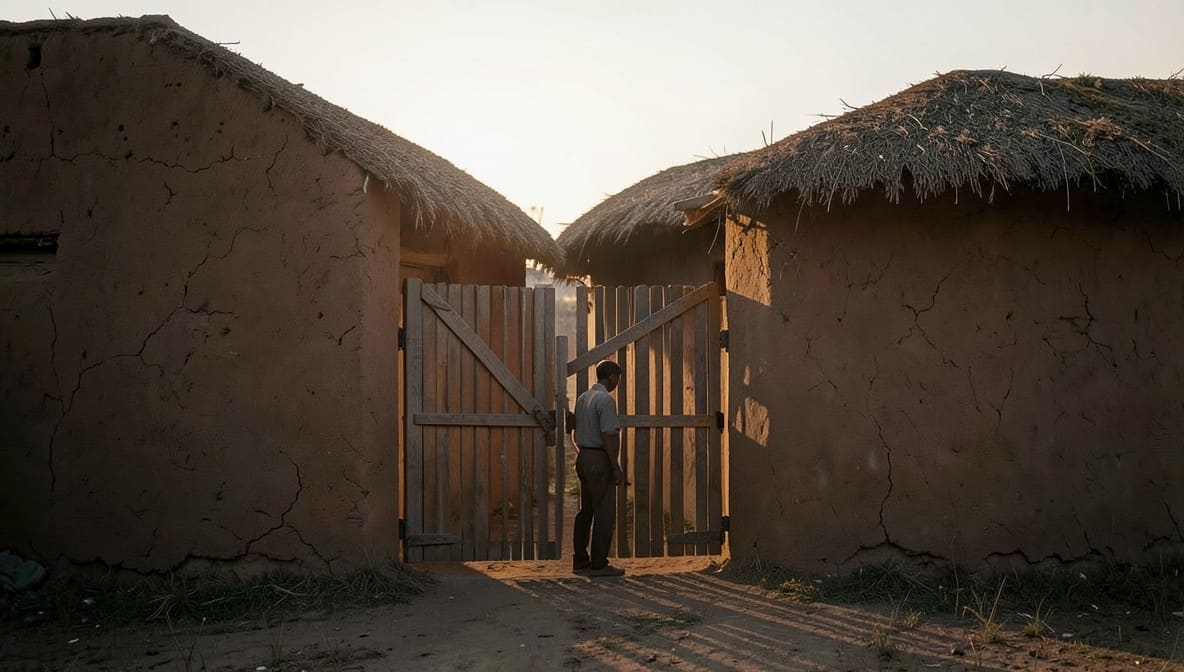
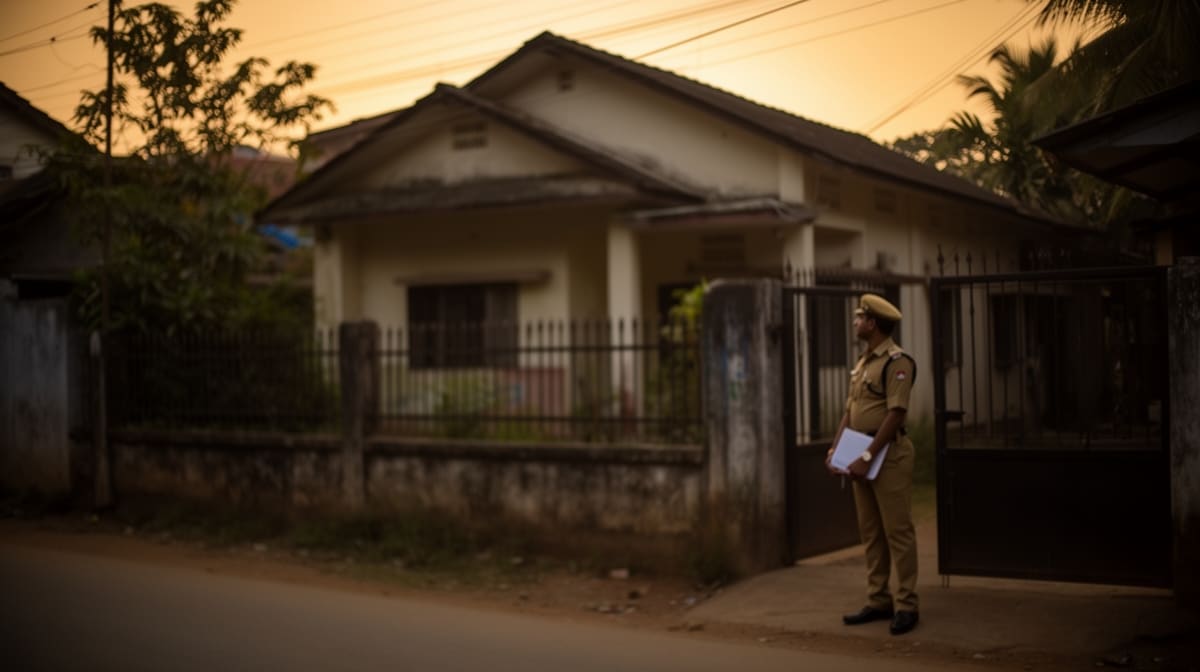
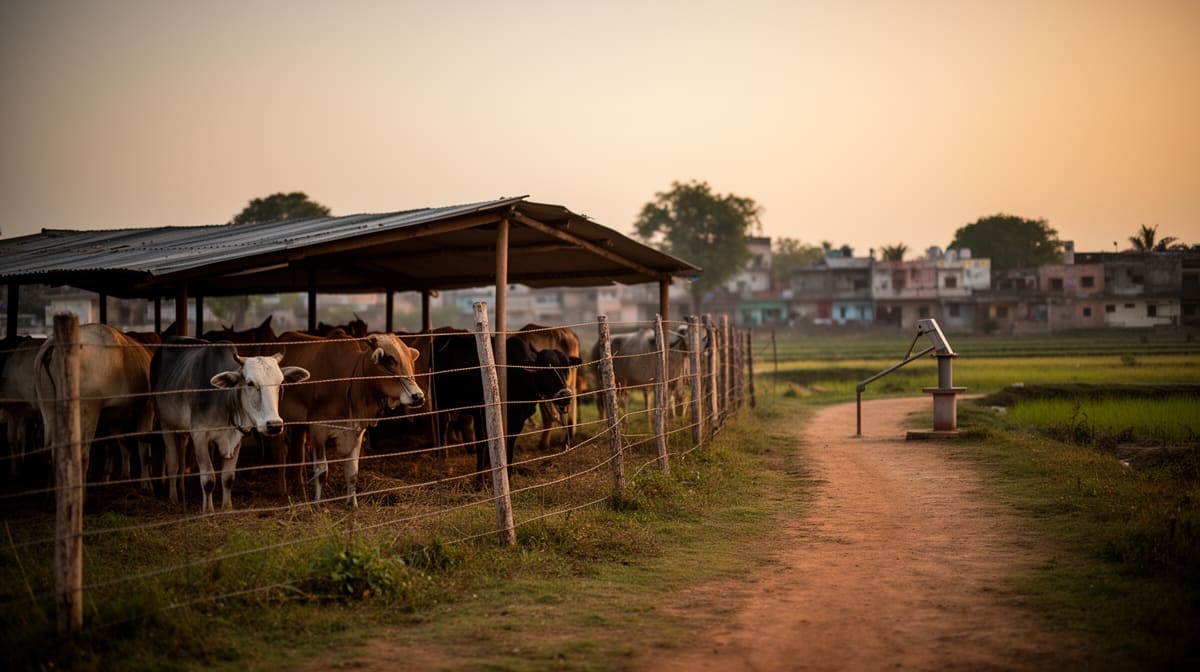
The petitioner, a landowner in Raigad district, purchased agricultural land in 2015 and erected a boundary compound in August 2022. The respondent, a member of the Katkari community, had been using a footpath adjacent to the land to access a public water hand pump. After the petitioner fenced the area, villagers, including the respondent, requested access be retained. During a meeting on 25th November 2022, the petitioner allegedly responded, "you do your work, I will do the work as per my method." Later that evening, while the respondent was tethering cattle in his private cattle shed, the petitioner allegedly abused him on the basis of his caste. No independent witnesses were present.
Procedural History
- 16 November 2022: Petitioner registered CR No.156/2022 under Sections 379 and 427 IPC for theft of boundary materials.
- 21 November 2022: Petitioner filed a complaint with the Grampanchayat regarding illegal encroachments on his land.
- 25 November 2022: Alleged caste abuse occurred in the respondent’s private cattle shed.
- 27 December 2022: FIR CR No.189/2022 registered under Sections 3(1)(r), 3(1)(s) of the SC/ST Act and Section 504 IPC, after a 30-day unexplained delay.
- 14 February 2023: High Court directed investigation to continue but barred filing of chargesheet without court permission.
- 1 December 2023: Petition under Article 226 and Section 482 CrPC admitted; interim relief confirmed.
Relief Sought
The petitioner sought quashing of the FIR on grounds of mala fide intent, lack of independent witnesses, absence of public visibility, and unexplained delay.
The Legal Issue
The central question was whether an alleged act of caste-based abuse occurring within the private confines of a cattle shed, with only family members and close associates as witnesses, constitutes an offence under Section 3(1)(r) of the SC/ST Act requiring public visibility and independent corroboration.
Arguments Presented
For the Petitioner
The petitioner’s counsel, Senior Advocate Rajiv Chavan, argued that the alleged abuse occurred in a private, enclosed space with no independent witnesses. He relied on Swaran Singh v. State (2008) 8 SCC 435, which mandates that caste-based abuse must occur in public view with neutral witnesses to attract the SC/ST Act. He further cited Hitesh Verma v. State of Uttarakhand and Javed Raza Shroff v. State of Maharashtra to emphasize that proximity to public space does not equate to public view, and that familial or interested witnesses cannot substitute for independent testimony. He contended the 30-day delay, coupled with the petitioner’s prior property dispute, indicated mala fide intent.
For the Respondent/State
The Additional Public Prosecutor argued that the incident occurred near a public road and water pump, thus qualifying as a public place. He relied on the respondent’s affidavit and claimed the delay was attributable to the respondent’s semi-literacy and reliance on community consultation. He contended that the FIR disclosed a prima facie case and that the precedents cited were distinguishable.
The Court's Analysis
The Court undertook a rigorous analysis of the factual matrix and binding precedents. It emphasized that Section 3(1)(r) of the SC/ST Act criminalizes acts intended to humiliate a member of a Scheduled Caste or Tribe in a manner that is public and degrading. The Court held that the term "public view" is not synonymous with "near a public place." The incident occurred inside a cattle shed, a private enclosure, and was witnessed only by the respondent’s wife, daughter, sister, and their children - all of whom were family members or close associates.
"The independent persons may not be those persons who are close relatives, friends of the complainant."
The Court reiterated the holding in Swaran Singh that the presence of independent witnesses is not a mere formality but a substantive requirement to prevent misuse of the Act. It further noted that the delay of 30 days in lodging the FIR, without any explanation, raised serious doubts about the veracity of the complaint. The Court also observed that the respondent’s affidavit did not rebut the petitioner’s claim of prior property conflict, which was corroborated by the FIR for theft and the Grampanchayat notice.
The Court applied the Bhajan Lal guidelines, specifically Clause (7), which permits quashing where proceedings are "manifestly attended with mala fide and maliciously instituted with an ulterior motive for wreaking vengeance." The Court concluded that the FIR, lacking public visibility and independent corroboration, was an abuse of process.
The Verdict
The petitioner succeeded. The Court quashed the FIR under Sections 3(1)(r), 3(1)(s) of the SC/ST Act and Section 504 IPC, holding that caste-based abuse must occur in public view with independent witnesses to attract the Act’s provisions. The Court found the complaint mala fide and an abuse of process under Section 482 CrPC.
What This Means For Similar Cases
Public View Requires More Than Proximity
- Practitioners must now demonstrate that alleged caste abuse occurred in a space accessible to or observable by the general public, not merely near one.
- Private courtyards, sheds, or enclosed premises - even if adjacent to public roads - do not qualify as "public view" under Section 3(1)(r).
- Merely alleging proximity to a public water pump or road is insufficient without evidence of actual public observation.
Independent Witnesses Are Non-Negotiable
- Testimony from family members, friends, or persons with a vested interest cannot satisfy the evidentiary threshold under the SC/ST Act.
- In cases where only interested parties are present, the prosecution must either produce independent witnesses or risk quashing under Section 482 CrPC.
- Defence counsel should routinely challenge the credibility of witnesses in SC/ST cases at the FIR stage, not just at trial.
Delay and Prior Dispute Trigger Mala Fide Presumption
- Unexplained delays exceeding 15 - 30 days in registering SC/ST complaints, especially where a prior civil or property dispute exists, invite scrutiny under Bhajan Lal.
- Courts are increasingly willing to quash such FIRs at the pre-chargesheet stage if mala fide is evident from the record.
- Practitioners should document all prior disputes and delays meticulously to support applications for quashing.