The Bombay High Court's recent judgment in Shafoddin Mainoddin Shaikh v. State of Maharashtra clarifies the threshold for granting pre-arrest bail under the Scheduled Castes and Scheduled Tribes (Prevention of Atrocities) Act, 1989. The Court held that where charge-sheet evidence fails to establish an overt act and CCTV footage instead shows the accused assisting victims, pre-arrest bail must be confirmed despite allegations of serious offences.
Background & Facts
The Incident
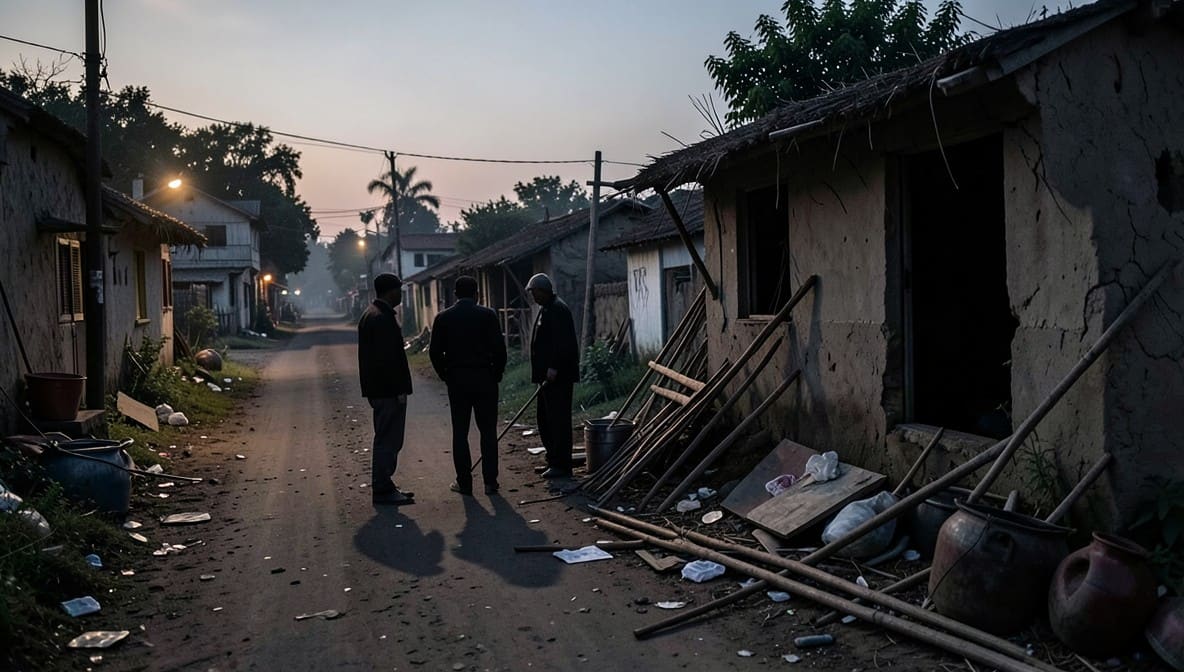
The case arises from an First Information Report (FIR) filed on 17.01.2026 at approximately 10:30 PM, alleging assault by multiple accused. The informant and witnesses claimed that:
Co-accused assaulted a witness by smashing a liquor bottle on his head
Another co-accused assaulted the informant
The appellants (Shafoddin Shaikh and Vilas Amnawar) allegedly abused and manhandled witness Pankaj
Procedural History
17.01.2026: FIR registered under relevant provisions of the SC/ST Act and Indian Penal Code (IPC)
Investigation completed: Charge-sheet filed against all accused, including the appellants
Pre-arrest bail applications: Filed by the appellants before the trial court
06.02.2026: Trial court rejected pre-arrest bail applications
Appeals filed: Criminal Appeal No. 120 of 2026 and Criminal Appeal No. 183 of 2026 before the Bombay High Court
Interim relief: Granted during pendency of appeals
13.07.2026: Final judgment delivered by the High Court
The Parties' Positions
For the Appellants
Investigation complete: Charge-sheet filed, enabling judicial scrutiny of evidence
No overt act: Charge-sheet lacks evidence linking appellants to the alleged offences
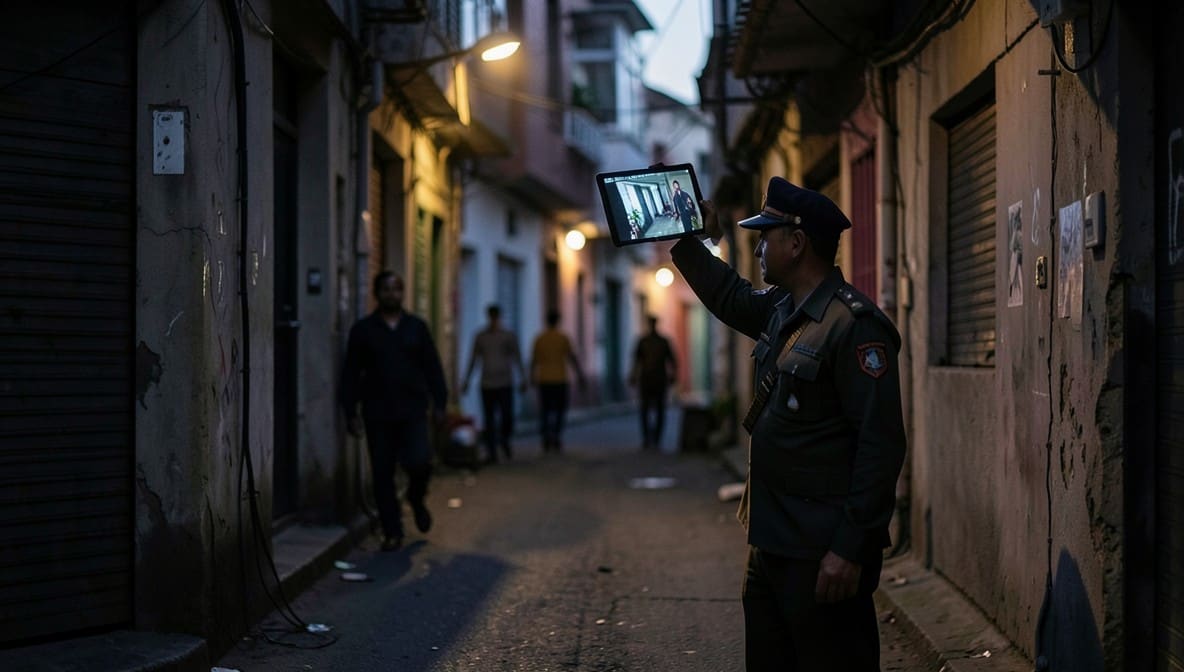
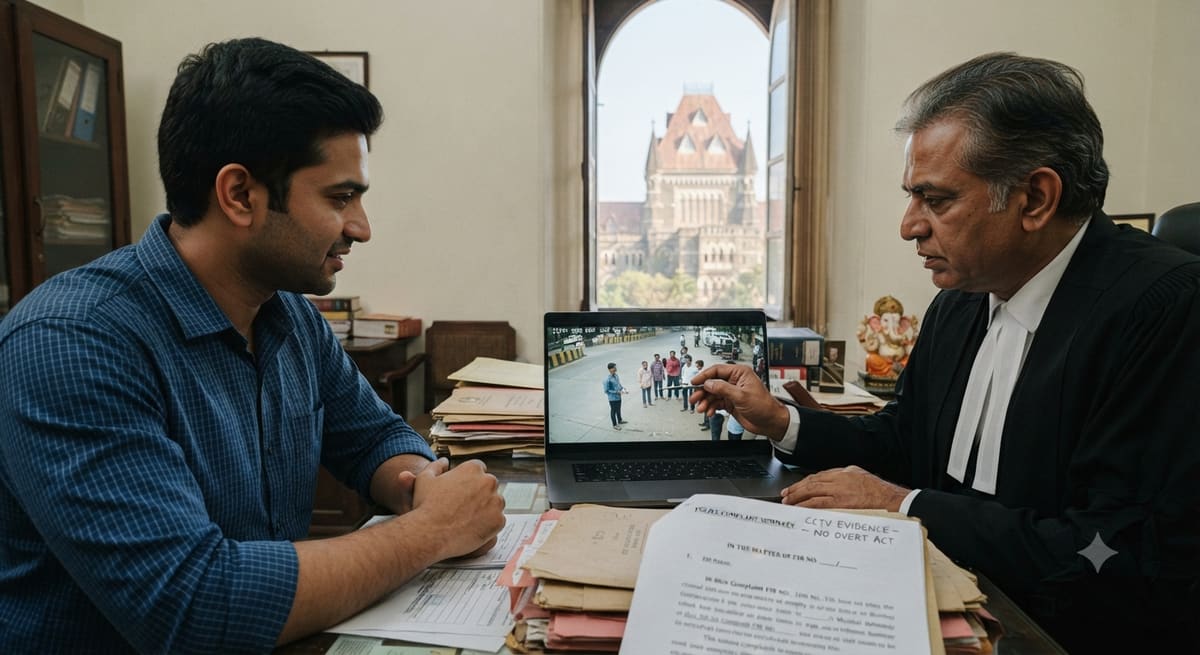
CCTV evidence: Footage shows appellants assisting injured victims rather than participating in assault
Interim relief confirmation: Sought confirmation of interim bail granted during appeal pendency
For the State and Informant
Seriousness of crime: Opposed bail citing gravity of offences under SC/ST Act
Charge-sheet reliance: Directed the Court's attention to witness statements and injury certificates
Prima facie case: Argued evidence establishes a case against appellants
The Legal Issue
The central question was whether pre-arrest bail under Section 14(a) of the SC/ST Act should be confirmed where:
The charge-sheet fails to establish an overt act by the accused, and
CCTV evidence contradicts witness allegations by showing the accused assisting victims.
Arguments Presented
For the Appellants
No evidence of overt act: The charge-sheet does not attribute any specific criminal act to the appellants
CCTV exculpatory: Footage shows appellants helping victims, negating allegations of abuse or manhandling
Investigation complete: Charge-sheet filing enables judicial assessment of evidence, justifying bail
Interim relief: Sought confirmation of interim bail granted during appeal proceedings
For the Respondent/State
Serious offences: Emphasized the gravity of offences under the SC/ST Act
Witness statements: Relied on statements and injury certificates to argue a prima facie case
Bail opposition: Contended that the seriousness of the crime warrants denial of bail
The Court's Analysis
The Court conducted a prima facie assessment of the charge-sheet evidence, focusing on:
Absence of overt act: The charge-sheet did not attribute any specific criminal act to the appellants, undermining the allegations of abuse and manhandling
CCTV evidence: Footage showed the appellants assisting the injured victims, directly contradicting witness allegations
Investigation status: With the charge-sheet filed, the Court could judicially evaluate the evidence, justifying bail
The Court observed:
"Prima facie perusal of the charge-sheet does not indicate any overt act being attributed against the Appellants. On the contrary, CCTV footage indicates that the Appellants were helping the injured and saving them from the assault caused by the co-accused."
This analysis established that the allegations lacked evidentiary support, and the appellants' conduct as shown in CCTV footage negated the possibility of their involvement in the alleged offences.
The Verdict
The Bombay High Court allowed both appeals and confirmed the interim relief granted to the appellants. The Court held that:
The charge-sheet failed to establish an overt act by the appellants
CCTV footage showed the appellants assisting victims, contradicting allegations
No justification existed for denying pre-arrest bail under the circumstances
The operative direction was:
"Both the appeals stand allowed by confirming the interim order."
What This Means For Similar Cases
Evidentiary Scrutiny in SC/ST Act Cases
Charge-sheet assessment: Courts may conduct a prima facie review of evidence post-charge-sheet to determine bail, even under stringent laws like the SC/ST Act
Overt act requirement: Mere allegations without evidence of an overt act may not suffice to deny bail
CCTV as exculpatory evidence: Footage showing accused assisting victims can negate allegations and justify bail
Bail Jurisprudence Under Stringent Laws
Not automatic denial: Gravity of offence alone cannot justify denial of bail if evidence contradicts allegations
Judicial discretion: Courts retain discretion to grant bail where evidence fails to support charges, even under special statutes
Interim relief confirmation: Where investigation is complete and evidence is exculpatory, interim bail may be confirmed
Practical Implications for Practitioners
Charge-sheet analysis: Scrutinize charge-sheets for evidentiary gaps or contradictions to argue bail
CCTV evidence: Use footage showing positive conduct (e.g., assistance) to counter allegations
Post-charge-sheet bail: Emphasize judicial scrutiny of evidence post-investigation to seek bail confirmation