The Bombay High Court has reaffirmed that state authorities cannot unilaterally erase long-standing revenue entries in favor of Adivasi land allottees without following due process, even when faced with contested claims. This judgment reinforces the primacy of documented allotment and procedural integrity over speculative or unverified allegations of breach.
Background & Facts
The Dispute
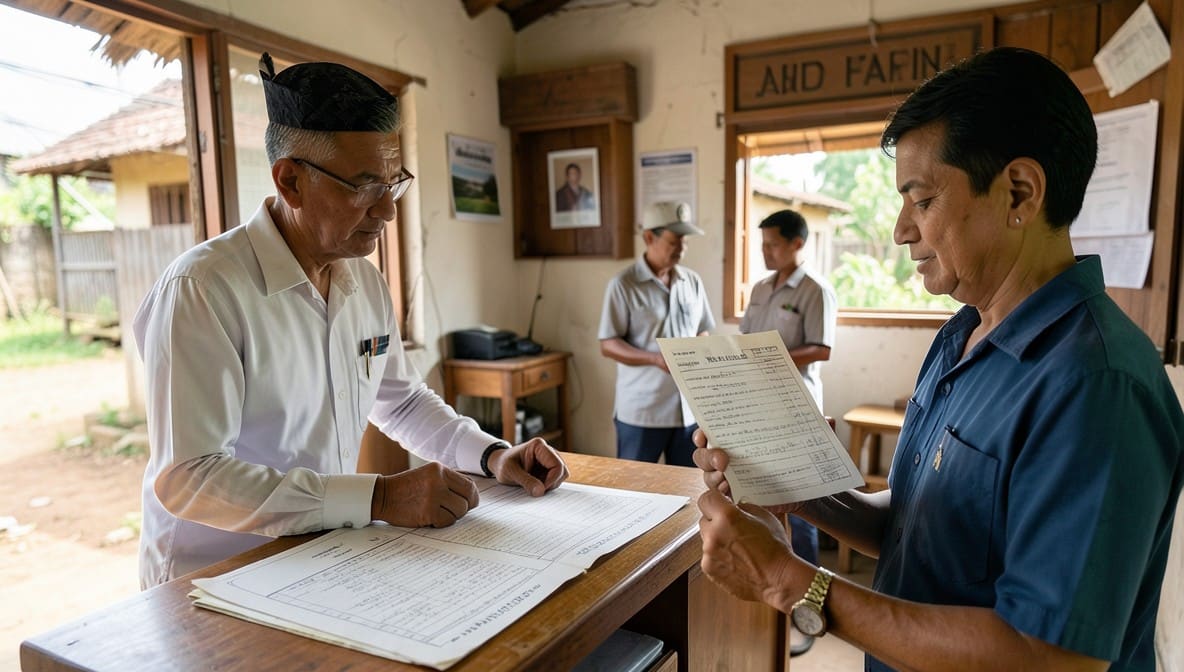
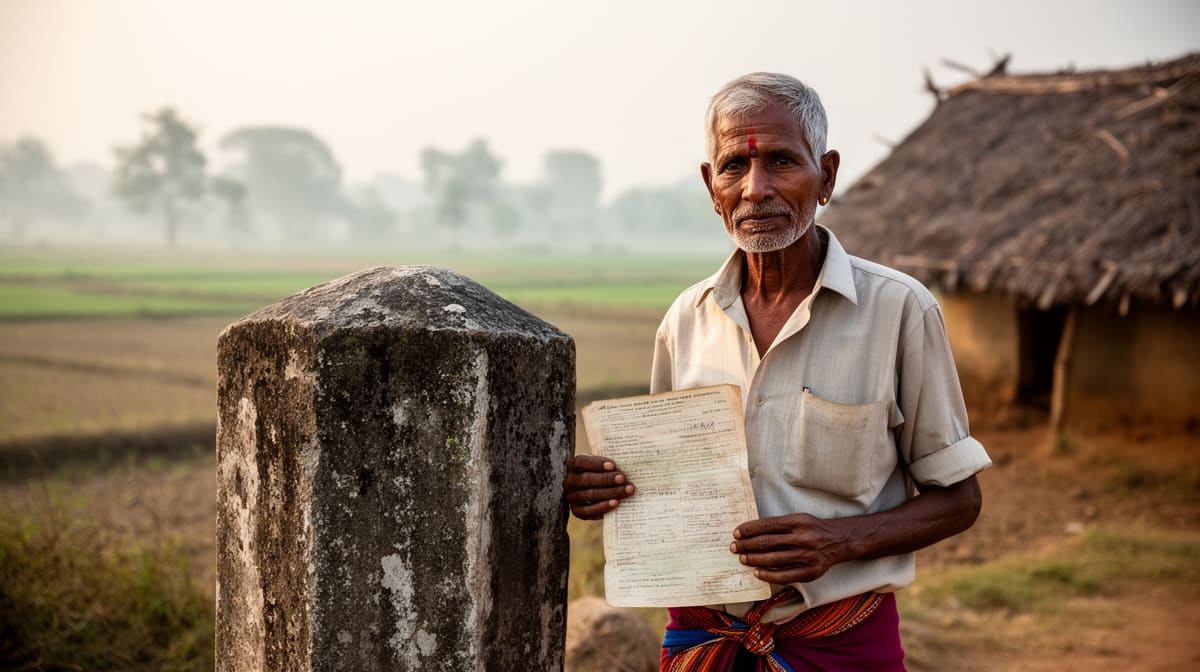
The petitioners, successors-in-title to Janya Halya Jhate, a landless Adivasi, challenge the unlawful erasure of their ancestor’s name from the revenue records of Plot No. 23, Village Nagale, Taluka Vasai. The original allotment was made under Government Order dated 27.06.1970, with formal confirmation through Mutation Entry No. 315 dated 30.03.1971, certified on 02.12.1971. Decades later, the State altered the revenue record, substituting the original name "Jhate" with "Mhase", without initiating any legal proceeding or providing notice to the petitioners.
Procedural History
- 1970: Janya Halya Jhate, a landless Adivasi, was lawfully allotted the subject land by the Government.
- 1971: Mutation Entry No. 315 was duly certified, confirming his ownership in revenue records.
- 2019: Petitioners approached the Additional Commissioner, Konkan Division, seeking restoration of the original entry. The Commissioner, after reviewing records, ordered a Tahsildar-led inquiry into the unauthorized change.
- 2024: The State, without conducting any inquiry, set aside the Commissioner’s order and upheld the altered mutation.
- 2026: Petitioners filed this writ petition before the Bombay High Court.
Relief Sought
The petitioners sought quashing of the State’s impugned order dated 07.06.2024 and enforcement of the Additional Commissioner’s order dated 04.09.2019, which mandated a lawful inquiry into the alteration of the revenue record.
The Legal Issue
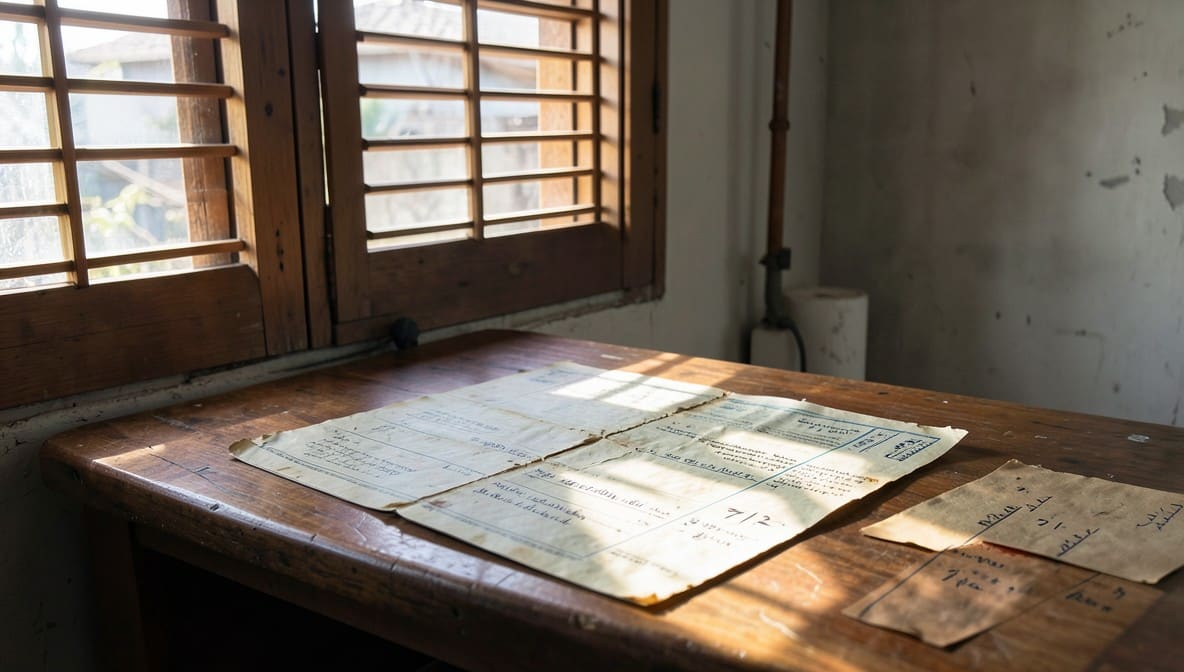
The central question was whether the State can unilaterally alter a certified revenue mutation entry without initiating a formal inquiry, providing notice, or invoking statutory remedies under the Maharashtra Land Revenue Code, merely on the basis of an unverified claim of overwriting in a 1981-82 extract.
Arguments Presented
For the Petitioner
The petitioners relied on the certified mutation entry dated 30.03.1971 as conclusive proof of lawful allotment. They argued that the State’s reliance on a 1981-82 7/12 extract with alleged overwriting was insufficient to override a decades-old, officially certified record. They cited State of Maharashtra v. Ramchandra to assert that revenue entries, once certified, enjoy a presumption of regularity and cannot be set aside without due process. The petitioners emphasized that the State had not invoked any provision under the Maharashtra Land Revenue Code to cancel or revise the mutation.
For the Respondent
The State contended that the original allottee had allegedly breached the terms of allotment by agreeing to sell the land, citing a civil suit involving third parties. It argued that the name "Mhase" was the true original name, and "Jhate" was a clerical error. However, the State failed to produce any order, notice, or adjudication under the Land Revenue Code that had lawfully revoked or modified the 1971 mutation.
The Court's Analysis
The Court examined the nature of certified revenue entries and the statutory framework governing their alteration. It held that a certified mutation entry is not a mere administrative record but a quasi-judicial determination of title, protected by principles of natural justice. The Court noted that the State’s affidavit-in-reply offered no evidence of a formal inquiry, no notice to the petitioners, and no application of any provision under the Maharashtra Land Revenue Code to revoke the mutation.
"The State cannot, by mere assertion of an overwriting in a decades-old extract, override a certified mutation entry that has stood unchallenged for over fifty years. The burden lies on the State to prove lawful grounds for alteration, not on the citizen to disprove it."
The Court distinguished the State’s reliance on a civil suit, noting that civil litigation does not extinguish revenue rights unless a decree specifically directs such. The Additional Commissioner’s order, which directed a Tahsildar-led inquiry with opportunity to all parties, was found to be the only legally compliant response. The State’s unilateral reversal of that order was deemed arbitrary and violative of Article 14 and Article 21.
The Verdict
The petitioners won. The Court quashed the State’s impugned order dated 07.06.2024 and upheld the Additional Commissioner’s order dated 04.09.2019. The Tahsildar, Vasai, was directed to complete a full inquiry within six months, following due process, and to rectify the revenue record based on findings.
What This Means For Similar Cases
Certified Revenue Entries Are Presumptively Valid
- Practitioners must treat certified mutation entries as prima facie proof of title unless overturned by a statutory proceeding.
- Any challenge to such entries must be initiated through formal inquiry under the Maharashtra Land Revenue Code, not administrative fiat.
Due Process Is Non-Negotiable in Land Disputes
- The State cannot rely on vague allegations or unverified documents to erase long-standing land rights, especially for marginalized communities.
- Failure to provide notice or an opportunity to be heard renders any alteration void ab initio.
Civil Suits Do Not Override Revenue Records
-
A civil suit alleging sale or transfer of land does not automatically nullify a certified revenue entry.
-
Only a decree from a civil court specifically directing alteration of revenue records can override them.
-
Always verify whether a mutation was certified under Section 88 or 89 of the Maharashtra Land Revenue Code before challenging it.
-
In writ petitions, demand production of the statutory order authorizing mutation alteration - not just administrative correspondence.
-
For Adivasi and marginalized landholders, certified entries are a critical shield against arbitrary dispossession.