In a significant clarification of procedural rights in motor accident claims, the Chhattisgarh High Court has affirmed that claimants may seek production of vehicle registration documents from Regional Transport Authorities under Order 16 Rule 6 of the CPC to ensure that any award rendered is not rendered a mere paper decree. This ruling strengthens the practical enforceability of compensation claims where the owner and insurer both deny liability.
Background & Facts
The Dispute
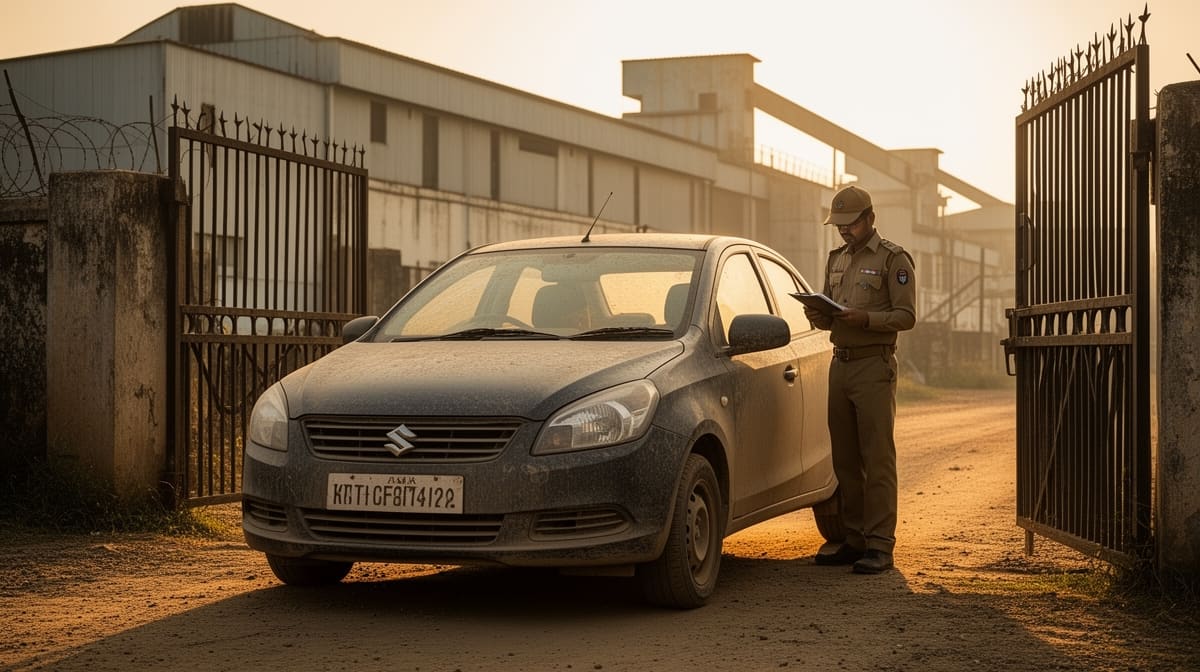
The petitioners, family members of a deceased individual, filed a claim petition before the 12th Additional Motor Accident Claims Tribunal, Raipur, seeking compensation for the death of their son and brother. The accident involved a truck bearing registration number OD-24-C-4953. The owner of the vehicle, Abijit Mandal, did not appear in the proceedings and was proceeded against ex parte. The insurer, Cholamandalam M.S. General Insurance Company Limited, denied that the vehicle was insured under its policy. The petitioners, fearing that any award would be unenforceable due to the absence of a solvent respondent, sought to verify the vehicle’s registration status through official records.
Key Facts
- The deceased was killed in an accident involving Truck No. OD-24-C-4953
- The owner, Abijit Mandal, is a resident of Nabarangpur, Odisha, and did not appear before the Tribunal
- The insurer denied coverage, claiming the vehicle was not insured under its policy
- The petitioners had no access to the vehicle’s registration documents
- The petitioners did not seek to examine the RTO as a witness, only to obtain official registration records
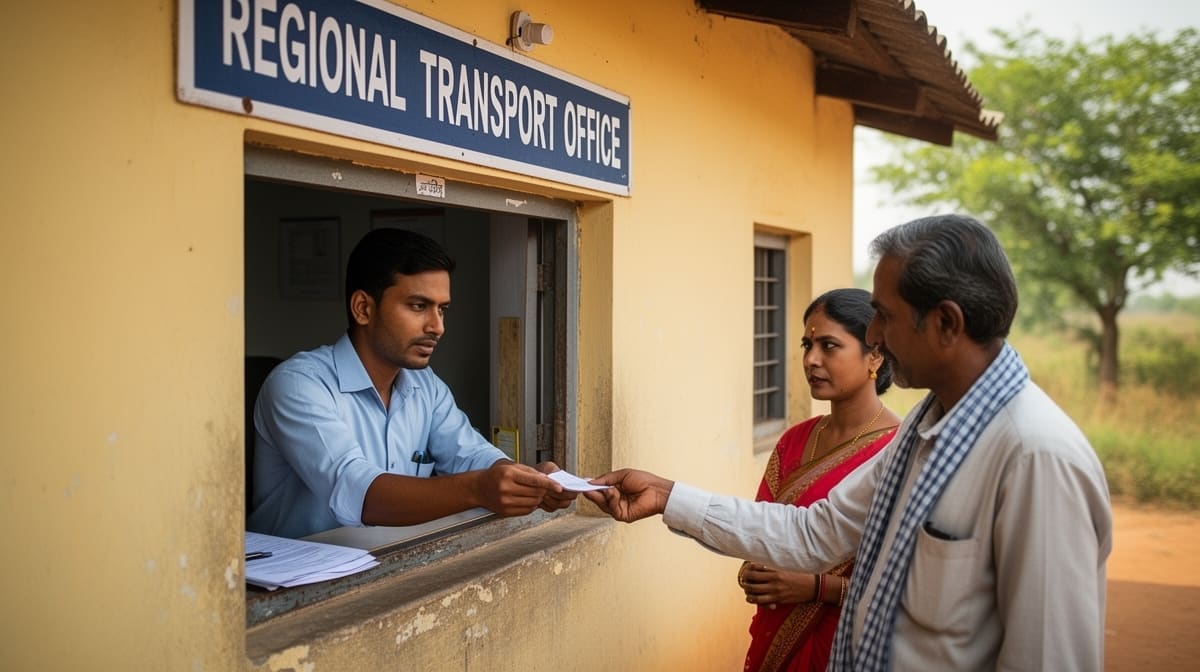
- The application under Order 16 Rule 6 CPC was filed to obtain documents from the Regional Transport Authority, Nabarangpur, Odisha
Procedural History
- Date of Accident: Not specified in judgment, but claim filed in 2023
- 09.05.2025: Tribunal rejected the petitioners’ application under Order 16 Rule 6 CPC, holding that evidence cannot be collected through such an application
- 17.03.2026: Writ petition filed before the Chhattisgarh High Court under Article 227
- 17.03.2026: Judgment delivered by Justice Ravindra Kumar Agrawal
The Parties' Positions
Petitioners: Argued that without verification of registration, they could not establish the identity or ownership of the offending vehicle, making any future award unenforceable. They emphasized that Order 16 Rule 6 CPC permits summons for document production without requiring examination of the custodian.
Respondents: The insurer denied liability, and the owner remained absent. No formal opposition was filed before the High Court.
Relief Sought
The petitioners sought quashing of the Tribunal’s order dated 09.05.2025 and a direction to issue summons to the Regional Transport Authority, Nabarangpur, Odisha, for production of the registration documents of Truck OD-24-C-4953.
The Legal Issue
Can a claimant in a motor accident case invoke Order 16 Rule 6 of the Code of Civil Procedure to seek production of vehicle registration documents from the Regional Transport Authority, even when the owner and insurer are non-participating or denying liability?
Arguments Presented
For the Petitioner
Shri Vivek Chopda, Advocate, submitted that Order 16 Rule 6 CPC explicitly permits the court to issue summons to any person for production of documents in their possession or control. He argued that the registration documents of the offending vehicle are held exclusively by the RTO and are critical to establishing the identity of the vehicle and its ownership. He emphasized that the petitioners were not seeking to examine the RTO as a witness, nor were they seeking to lead evidence through the RTO. The sole purpose was to obtain documentary proof to ensure that any future award could be enforced against a verifiable asset or insurer.
For the Respondent
No formal arguments were presented by the respondents, as the owner was proceeded against ex parte and the insurer had not filed a written reply before the High Court.
The Court's Analysis
The Court examined the nature and purpose of Order 16 Rule 6 CPC, which provides that a court may summon any person to produce documents in their possession or control. The Tribunal had rejected the application on the ground that such an application amounted to collecting evidence, which the court held was impermissible.
The High Court rejected this reasoning, observing that the distinction between "collecting evidence" and "seeking production of official documents" is critical. The petitioners were not attempting to examine the RTO or elicit testimony. They sought only the production of a public record - the vehicle’s registration certificate - which is maintained by the RTO as a statutory custodian.
"The application under Order 16 Rule 6 CPC is not for leading evidence but for securing documentary proof which is essential to establish the identity of the offending vehicle and to ensure that any award passed is not rendered a paper decree."
The Court further noted that the Motor Vehicles Act is a beneficial legislation designed to provide speedy and substantial justice to victims of road accidents. Denying access to official registration records in a case where the owner is absent and the insurer denies coverage undermines the very purpose of the statutory compensation regime.
The Court held that the Tribunal erred in law by conflating the production of documents with the examination of witnesses. The petitioners’ request was narrow, specific, and aimed solely at verifying the existence of a legal record. No prejudice would arise to any party by compliance with the summons.
The Verdict
The writ petition is allowed. The Tribunal’s order dated 09.05.2025 is set aside. The application under Order 16 Rule 6 CPC is allowed. The Tribunal is directed to issue summons to the Regional Transport Authority, Nabarangpur, Odisha, for production of the registration documents of Truck OD-24-C-4953. The petitioners shall bear the expenses of the proceeding. It is expressly clarified that the summons is limited to production of documents only; the petitioners are not entitled to examine the RTO as a witness.
What This Means For Similar Cases
Production of Official Records Is Not Evidence-Led
- Practitioners may now confidently file applications under Order 16 Rule 6 CPC to obtain vehicle registration, insurance records, or driving license details from government authorities in motor accident claims
- Such applications are not subject to rejection on the ground that they "collect evidence" - they merely seek verification of official records
- This applies equally to cases where the owner is absent, insurer denies coverage, or vehicle details are disputed
Enforcement of Awards Requires Documentary Verification
- Without verified registration documents, execution of compensation awards against untraceable owners becomes impossible
- Courts must recognize that statutory compensation regimes are meaningless if awards cannot be enforced
- Claimants should be permitted to use procedural tools to establish the identity of liable parties before final adjudication
RTOs Are Not Witnesses - They Are Document Custodians
- Regional Transport Authorities are not to be summoned as witnesses unless specifically required
- Their role under Order 16 Rule 6 CPC is purely custodial - to produce documents in their official custody
- Any attempt by tribunals to treat RTOs as fact witnesses is legally erroneous and must be challenged