The Uttarakhand High Court has reinforced that prolonged detention of vehicles seized under the NDPS Act, without concrete evidence of their direct involvement in trafficking, violates principles of fairness and causes irreversible depreciation. The judgment mandates immediate interim release subject to judicial safeguards, setting a clear precedent for owners of seized property in drug-related cases.
Background & Facts
The Dispute
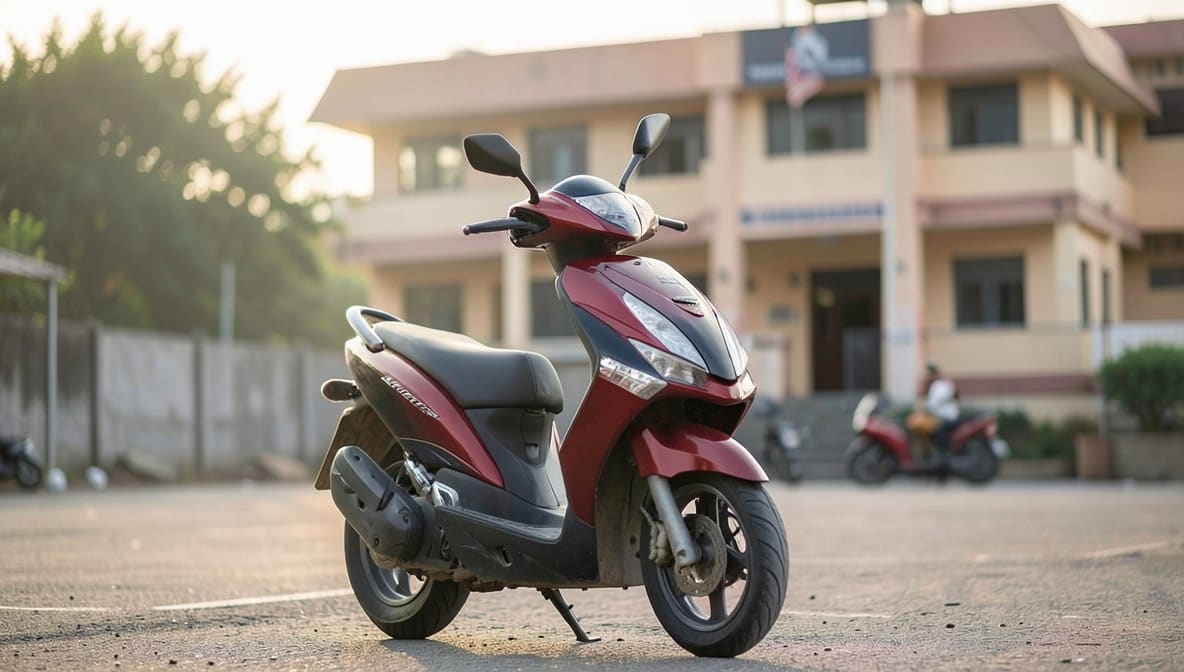
The applicant, a registered owner of a motorcycle bearing registration no. UK 18-N-9438, sought its release after her son was arrested in connection with the recovery of 18.996 kg of ganja. The motorcycle was seized by police during the alleged offence and remained in custody following rejection of her application for interim release by the Special Judge, NDPS Act, Nainital, on 10.03.2026.
Key Facts
- The applicant’s son was arrested on allegations of transporting 18.996 kg of ganja using the motorcycle
- The motorcycle was seized on the same date as the arrest, but no independent evidence was recorded linking it directly to the transportation of contraband
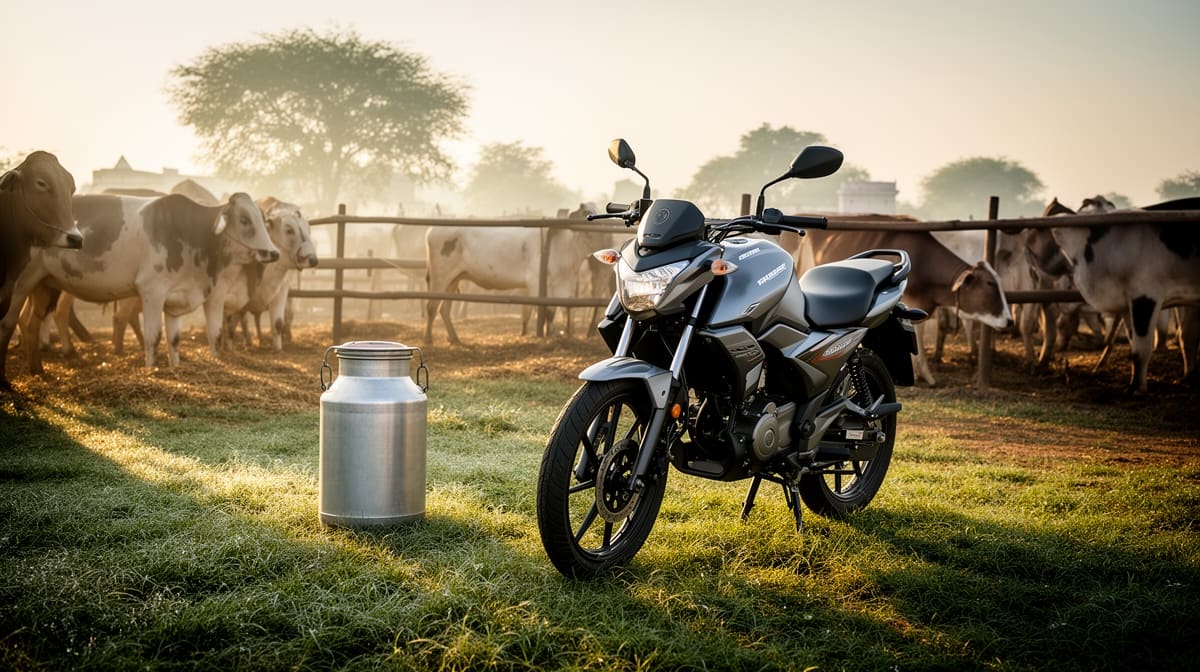
- The applicant submitted that the vehicle was primarily used for daily milk delivery to a local dairy, and her son used it for this lawful purpose
- The vehicle had been in police custody since the date of seizure, with no trial or confiscation proceedings concluded
- No photographs, witness statements, or forensic reports were produced to establish that the vehicle was used for illicit transport
Procedural History
- Date of seizure: Not explicitly stated, but occurred on or before the date of arrest (implied to be early February 2026)
- 10.03.2026: Special Judge, NDPS Act, Nainital, rejected the applicant’s application for release of the motorcycle (Misc. Release Application No. 26 of 2026)
- 17.03.2026: Criminal Miscellaneous Application No. 446 of 2026 filed before the Uttarakhand High Court seeking quashing of the order and release of the vehicle
- 17.03.2026: Judgment delivered by Hon’ble Justice Alok Mahra
The Parties' Positions
The applicant contended that the vehicle was lawfully used for dairy supply and that the prosecution failed to establish its instrumental role in the offence. She emphasized the financial loss and physical deterioration of the vehicle due to prolonged detention.
The State contended that the vehicle was recovered alongside contraband and therefore fell within the ambit of Section 52A of the NDPS Act, warranting retention until conclusion of trial and potential confiscation.
Relief Sought
The applicant sought:
- Quashing of the order dated 10.03.2026 rejecting release of the motorcycle
- Immediate release of the motorcycle bearing registration no. UK 18-N-9438
- Direction to the authorities to ensure the vehicle’s condition is preserved pending trial
The Legal Issue
The central question was whether a vehicle seized under the NDPS Act, without specific evidence of its direct and intentional use in transporting contraband, can be retained indefinitely pending trial, or whether the owner is entitled to interim release subject to judicial safeguards.
Arguments Presented
For the Appellant/Petitioner
Counsel relied on Sunderbhai Ambalal Desai v. State of Gujarat (2002) 10 SCC 283, arguing that prolonged retention of seized vehicles serves no prosecutorial purpose and causes depreciation. The judgment held that Magistrates must order interim release upon appropriate bond or guarantee to prevent loss. The applicant submitted that the vehicle was not used for illicit purposes, and its continued detention was unjustified in the absence of corroborative evidence.
For the Respondent/State
The State Counsel argued that under Section 52A of the NDPS Act, any property used in connection with an offence is liable for confiscation, and therefore, retention until trial is mandatory. He contended that the vehicle’s proximity to the contraband at the time of seizure created a presumption of involvement, and premature release could hinder investigation.
The Court's Analysis
The Court examined the ratio in Sunderbhai Ambalal Desai and found it directly applicable. The judgment emphasized that seized vehicles, particularly those used for legitimate livelihood purposes, cannot be held indefinitely without a compelling reason. The Court noted that mere proximity to contraband does not establish instrumental use.
"Prolonged retention of seized vehicles at police stations serves no fruitful purpose. The Magistrate must pass immediate orders for interim release upon appropriate bond, guarantee, or security, to prevent loss or depreciation."
The Court observed that the prosecution had not adduced any material - such as witness testimony, GPS data, or prior usage records - to prove the motorcycle was used for transporting ganja. The absence of such evidence rendered the detention arbitrary and disproportionate. The Court further held that the State’s interest in preserving evidence could be adequately protected through judicial conditions, not blanket custody.
The Court rejected the State’s argument that Section 52A mandates automatic retention, clarifying that the provision governs final confiscation, not interim custody. Interim release is not inconsistent with the Act, provided conditions are imposed to ensure the vehicle’s availability for trial.
The Verdict
The applicant succeeded. The Uttarakhand High Court quashed the order dated 10.03.2026 and directed the competent authority to release the motorcycle bearing registration no. UK 18-N-9438 forthwith. The release is subject to the applicant furnishing adequate bonds and sureties, and undertaking that: (i) she shall produce the vehicle as and when required during investigation or trial; (ii) she shall not transfer, alienate, or create any third-party interest in the vehicle without prior court permission; and (iii) she shall maintain the vehicle in proper condition. The Court clarified that this release does not prejudice the trial under F.I.R. No. 18 of 2026.
What This Means For Similar Cases
Interim Release Is the Norm, Not the Exception
- Practitioners must now routinely move for interim release of seized vehicles under NDPS Act, citing Sunderbhai Ambalal Desai as binding precedent
- Courts are obligated to consider depreciation, livelihood impact, and absence of direct evidence before denying release
- Blanket retention based solely on seizure proximity is legally unsustainable
Judicial Safeguards Replace Custodial Detention
- Courts may impose conditions such as bonds, sureties, non-transfer undertakings, and maintenance obligations to protect state interests
- These conditions are sufficient to ensure availability for trial without physical custody
- Failure to impose such conditions does not justify indefinite detention
Burden of Proof Lies with the State
- The prosecution bears the burden of proving instrumental use of the vehicle in the offence
- Mere coincidence of seizure does not satisfy this burden
- Absence of evidence must result in release, not continued custody