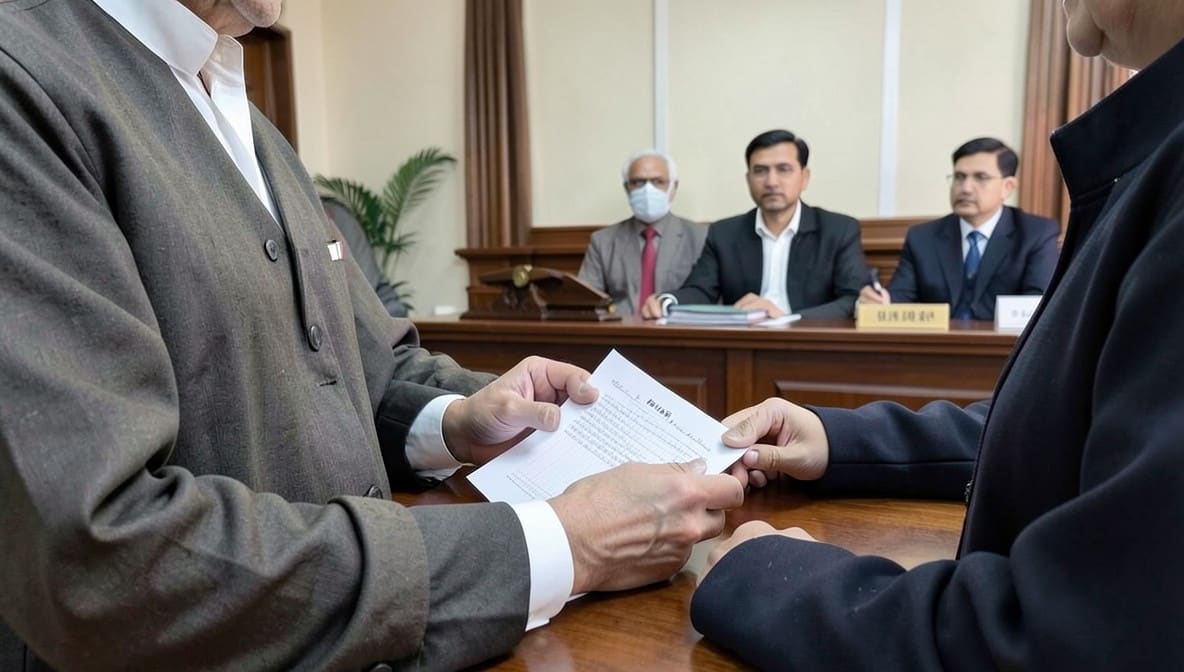
The Madhya Pradesh High Court recently granted bail to an applicant arrested under Sections 8/20 of the NDPS Act, despite the prosecution's claim that the land from which cannabis plants were seized belonged to the applicant's father. The judgment highlights the significance of initial procedural accuracy in criminal investigations, particularly when identity errors in FIRs can lead to prolonged custody even after subsequent corrections. This order serves as a critical reminder for law enforcement to ensure precise identification at the outset, while also balancing the rights of accused persons under Section 483 of the Bharatiya Nagarik Suraksha Sanhita, 2023.
Background & Facts
The Dispute
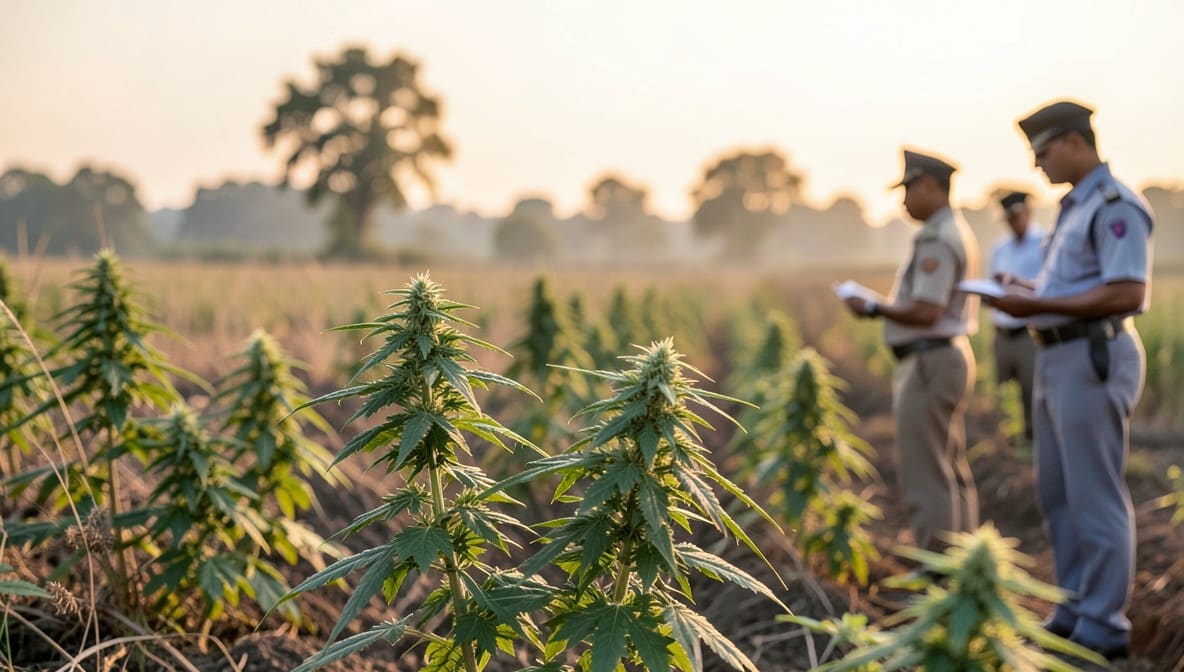
The applicant, Galsingh @ Gulsingh, was arrested in connection with Crime No. 59/2025 registered at Police Station Narcotics Cell, Indore, for an offence under Sections 8/20 of the Narcotic Drugs and Psychotropic Substances (NDPS) Act, 1985. The prosecution alleged that on 03.11.2025, acting on secret information, the police seized 120 cannabis plants from a field purportedly belonging to the applicant. The applicant has been in custody since 18.04.2026.
Key Facts
- The First Information Report (FIR) and panchnama initially named the accused as Galsingh S/o Tersingh, whereas the applicant is Galsingh S/o Nasru
- The land from which cannabis plants were seized is recorded in the revenue records in the name of the applicant's father
- The applicant claims he is an agriculturist with no criminal antecedents and was wrongly implicated
- The charge-sheet has been filed, and the investigation is complete
- The applicant has been in custody since 18.04.2026, with the trial likely to take a considerable time
Procedural History
- 03.11.2025: Police seized 120 cannabis plants from a field based on secret information
- Crime No. 59/2025: Registered under Sections 8/20 NDPS Act at Police Station Narcotics Cell, Indore
- 18.04.2026: Applicant arrested and taken into custody
- 2026: Charge-sheet filed, investigation completed
- 2026: Bail application filed under Section 483 of the Bharatiya Nagarik Suraksha Sanhita (BNSS), 2023
The Parties' Positions
For the Applicant
- The applicant was wrongly arrested due to an identity mistake in the FIR and panchnama
- The investigation is complete, and the applicant is no longer required for custodial interrogation
- There is no risk of tampering with evidence
- The applicant has no criminal antecedents and is an agriculturist
- The trial is likely to take a long time, and prolonged custody would be unjust
For the State
- While the initial FIR contained a mistake, subsequent verification confirmed that the land belongs to the applicant's father
- The applicant cultivated the land, and thus, the correct person was arrested
- The case was rightly registered against the applicant, and bail should be denied
Relief Sought
The applicant sought release on bail under Section 483 BNSS, arguing that he was wrongly implicated and that his continued custody was unnecessary given the completion of the investigation.
The Legal Issue
The primary question before the Court was whether bail should be granted under Section 483 BNSS to an applicant who was initially arrested due to an identity mistake in the FIR, despite subsequent verification linking the applicant to the offence.
Arguments Presented
For the Applicant
The learned counsel for the applicant argued that:
- The applicant was wrongly arrested due to an identity error in the FIR and panchnama
- The investigation was complete, and the applicant was no longer required for custodial interrogation
- There was no risk of tampering with evidence or influencing witnesses
- The applicant had no criminal antecedents and was an agriculturist with deep roots in the community
- Prolonged custody would be unjust, given the likely delay in trial completion
For the State
The learned Public Prosecutor contended that:
- While the initial FIR contained a mistake, subsequent verification confirmed the land belonged to the applicant's father
- The applicant was the actual cultivator of the land, and thus, the correct person was arrested
- The gravity of the offence under the NDPS Act warranted denial of bail
The Court's Analysis
The Court considered the rival submissions and the facts of the case, particularly:
- The completion of the investigation and filing of the charge-sheet
- The length of the applicant's custody (since 18.04.2026)
- The absence of criminal antecedents
- The unlikelihood of evidence tampering at this stage
The Court observed that while the initial FIR contained an identity mistake, the prosecution's subsequent verification linked the applicant to the offence. However, the Court emphasized that the investigation was complete, and the applicant's continued custody was not necessary for further interrogation. The Court also noted that the trial was likely to take a long time, and keeping the applicant in custody indefinitely would be unjust.
"After considering the rival submissions and taking into account the fact that the investigation has been completed and the applicant is in custody since 18.04.2026 and also considering that there are no criminal antecedents of the present applicant, this Court is inclined to allow the application."
The Court clarified that its decision was without commenting on the merits of the case, focusing solely on the bail application under Section 483 BNSS.
The Verdict
The Court allowed the bail application and directed that the applicant be released on bail upon furnishing:
- A personal bond of Rs. 50,000
- One solvent surety in the like amount
The Court imposed the following conditions:
- The applicant must remain present before the trial court on all dates fixed during the trial
- The applicant must abide by all conditions enumerated under Section 480(3) of BNSS
- The bail order shall remain effective until the end of the trial, but shall become ineffective in case of bail jump or breach of conditions
What This Means For Similar Cases
Identity Errors in FIRs Can Have Serious Consequences
- Initial procedural accuracy is critical: Law enforcement must ensure correct identification at the time of registering an FIR. Mistakes in names or identities can lead to wrongful arrests and prolonged custody, even if corrected later
- Subsequent verification may not undo the harm: While the prosecution in this case argued that the land belonged to the applicant's father, the Court focused on the initial identity error and the completion of the investigation rather than the corrected facts
Bail Under Section 483 BNSS: Key Considerations
- Completion of investigation: Courts are more inclined to grant bail when the investigation is complete and the applicant is no longer required for custodial interrogation
- Length of custody: Prolonged custody without trial completion is a significant factor in bail considerations
- Absence of criminal antecedents: Applicants with no prior criminal record are more likely to secure bail, especially in cases where the evidence is not tampered with
- Trial delays: Courts may grant bail if the trial is likely to take a long time, ensuring that the applicant is not unjustly detained for an indefinite period
Practical Takeaways for Practitioners
- Highlight procedural errors: If an FIR contains identity mistakes or inaccuracies, emphasize these errors in bail applications to argue wrongful arrest
- Stress completion of investigation: Argue that custodial interrogation is no longer necessary once the investigation is complete
- Leverage absence of criminal record: Applicants with no criminal antecedents have a stronger case for bail
- Address trial delays: If the trial is likely to be protracted, use this as a ground to argue for bail, citing the unjustness of prolonged custody