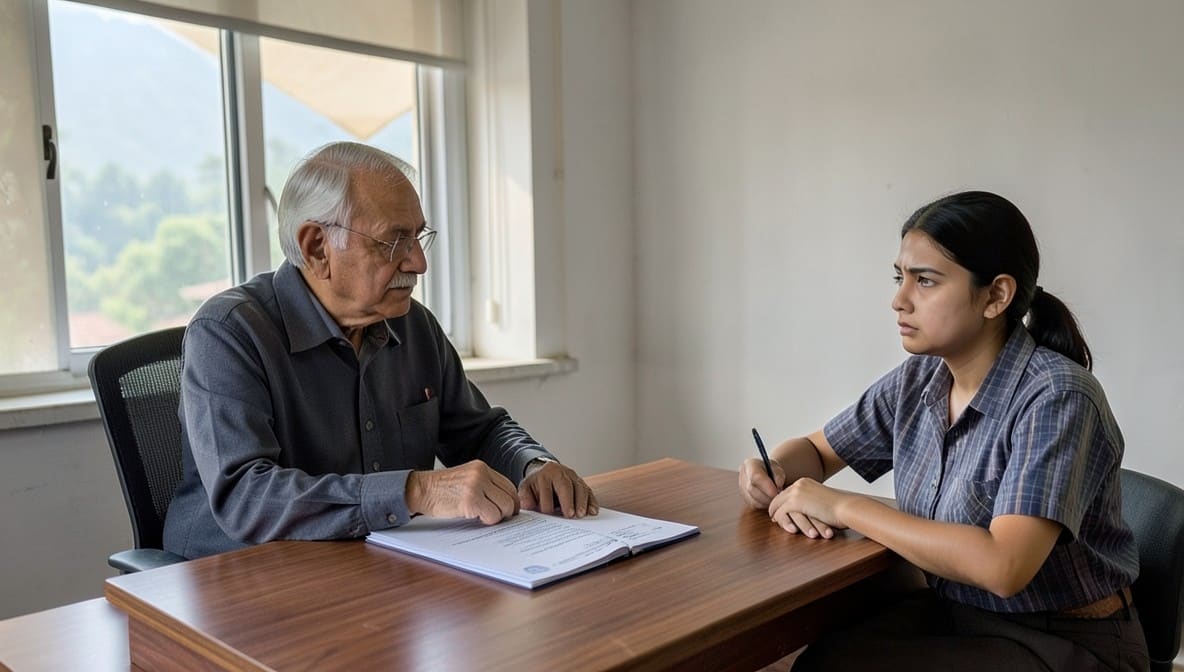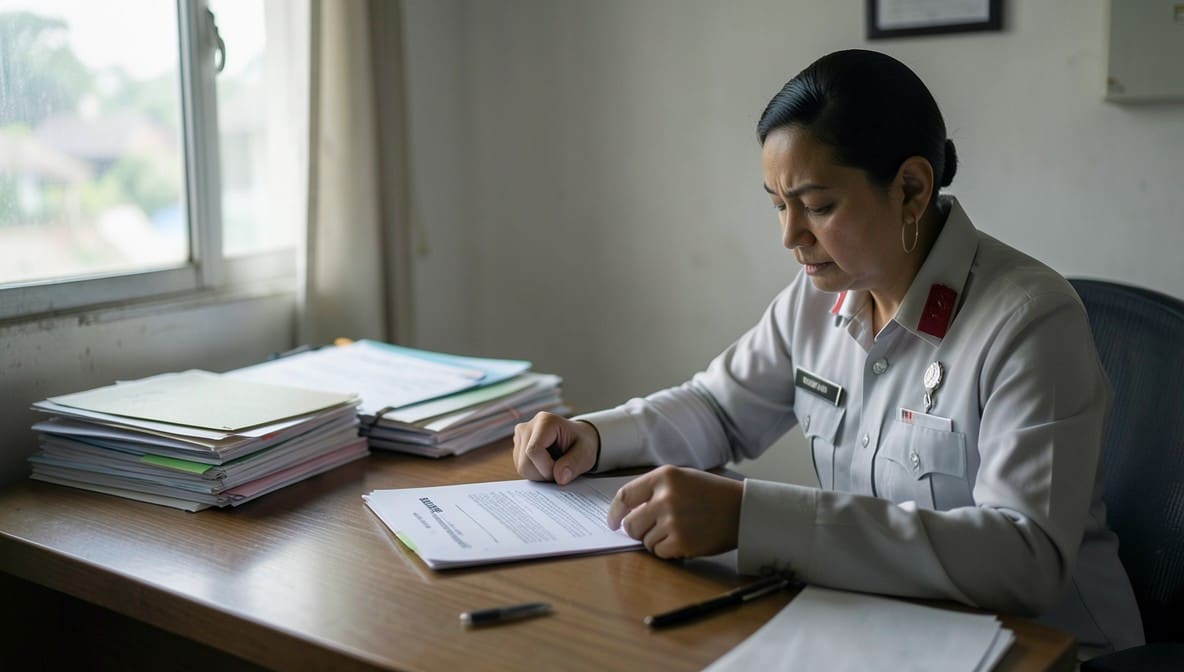
The Central Administrative Tribunal, Cuttack, has reaffirmed that procedural fairness in disciplinary proceedings is non-negotiable, even when administrative delays occur. While the Tribunal upheld the validity of a delayed charge sheet due to pandemic-related chaos, it struck down the appointment of a Presenter Officer with a documented personal vendetta against the employee, emphasizing that bias cannot be tolerated in quasi-judicial processes.
Background & Facts
The Dispute
The applicant, Gouro Chandro Tripathy, a retired Programme Executive with All India Radio, was served a charge sheet on 22.07.2022 under Rule 14 of the CCS (CCA) Rules, 1965, alleging six incidents of misconduct. The charge sheet was based on a preliminary inquiry conducted in 2018 by Sri Tarun Kanti Routh, an officer whom the applicant alleged had a personal rivalry with him dating back to 1996, when Routh had filed a false criminal complaint against Tripathy’s wife and child.
Procedural History
- 2018: Preliminary inquiry conducted by Sri Tarun Kanti Routh; report submitted on 27.09.2018.
- 2019: Disciplinary Authority approved initiation of proceedings on 22.04.2019, but sexual harassment allegations were referred to the Internal Complaints Committee.
- 2019 - 2021: Physical file containing the inquiry report went missing during office relocation; pandemic-induced disruption further delayed processing.
- 2022: File traced on 15.06.2022; charge sheet issued on 22.07.2022.
- 2022: Applicant retired on 31.07.2022.
- 2023: Competent Authority appointed Sri Routh as Presenting Officer on 05.07.2023; applicant objected on 20.07.2023.
- 2023: Objection rejected on 06.09.2023 via an unreasoned order.
- 2023: Applicant filed O.A. No. 260/00528/2023 before CAT Cuttack seeking quashing of charge sheet and appointment of PO.
Relief Sought
The applicant sought quashing of the charge sheet, the appointment of Sri Routh as Presenting Officer, and the rejection of his request for a change of PO. He also sought consequential service benefits and expeditious completion of proceedings.
The Legal Issue
The central question was whether the appointment of a Presenting Officer with a documented personal enmity against the accused employee violates the principles of natural justice, and whether a delay of nearly four years in issuing a charge sheet, explained by administrative chaos and pandemic, justifies continuation of disciplinary proceedings.
Arguments Presented
For the Petitioner
The applicant contended that:
- The appointment of Sri Routh as Presenting Officer violated natural justice due to his personal animosity, established by a 1996 criminal complaint.
- The delay in issuing the charge sheet - nearly four years - was unexplained and prejudicial, especially since the preliminary inquiry report was available since 2018.
- The charge sheet was vague and documents were not supplied, impairing his ability to defend himself.
- The rejection of his request to replace the PO was unreasoned and arbitrary.
He relied on State of U.P. v. Mohd. Noor and K. Sankaran v. Union of India to argue that bias, actual or apprehended, invalidates proceedings.
For the Respondent
The Union contended that:
- The delay was due to extraordinary circumstances: file misplacement during relocation, pandemic-induced office shutdowns, and overwhelming workload on medical bill processing.
- The charge sheet was issued only after the sexual harassment complaint was cleared under POSH Act, 2013, and administrative review was completed.
- The role of the Presenting Officer is merely to produce records; conducting the preliminary inquiry does not disqualify one from acting as PO.
- The applicant submitted his defence without challenging vagueness or non-supply of documents at the time, rendering those grounds waived.
- The OA was barred by limitation under Section 21 of the Administrative Tribunals Act, 1985.
The Court's Analysis
The Tribunal examined the doctrine of natural justice, particularly the rule against bias (nemo judex in causa sua). It acknowledged that while delays in disciplinary proceedings are not automatically fatal, they must be justified. The respondents provided a credible, documented account of administrative disruption due to file misplacement, pandemic, and increased workload - factors beyond mere negligence. The Court held that such delays, though lengthy, were not mala fide and did not vitiate the proceedings.
"Law is well settled in a series of decisions that while inordinate, unexplained delays often lead to the quashing of charges to prevent prejudice to the employee, a justifiable delay does not automatically vitiate the proceedings, but, if the department provides a plausible and satisfactory explanation for the delay in issuing a charge sheet, the courts are unlikely to quash the disciplinary proceedings."
However, the Tribunal found the appointment of Sri Routh as Presenting Officer fundamentally flawed. The applicant had raised a specific, documented allegation of personal enmity, and the competent authority rejected the request for replacement without any reasoning. The Court emphasized that apprehension of bias is sufficient to invalidate proceedings, even without proof of actual bias. The role of the Presenting Officer, though procedural, is integral to the fairness of the inquiry, and allowing a person with a history of hostility to represent the department undermines public confidence in the process.
The Tribunal further noted that the applicant had not waived his right to object by submitting a defence; the right to a fair hearing is not forfeited by participation.
The Verdict
The applicant partially succeeded. The Tribunal upheld the charge sheet and rejected challenges to the delay and vagueness. However, it quashed the order rejecting the request to replace the Presenting Officer and directed the appointment of a new, impartial officer within 30 days. The proceedings were mandated to conclude within 180 days.
What This Means For Similar Cases
Appointment of Presenter Officer Must Be Impartial
- Practitioners must challenge the appointment of any officer with a prior adversarial relationship with the accused, even if the role is nominally procedural.
- Unreasoned rejections of requests to replace a presenter officer are per se invalid under natural justice.
- A documented history of personal conflict - such as prior criminal complaints - constitutes sufficient grounds for apprehension of bias.
Delay Is Not Fatal If Justified by Extraordinary Circumstances
- Administrative delays caused by pandemics, file misplacements, or systemic chaos may be excused if documented and plausible.
- Departments must maintain clear records of delays and reasons to avoid quashing of proceedings.
- Mere passage of time is not enough; the burden is on the department to show the delay was not prejudicial or intentional.
Vagueness and Non-Supply of Documents Are Waivable
- Failure to specifically challenge vagueness or non-supply of documents in the written defence may result in waiver of those grounds.
- Employees must raise specific objections at the earliest opportunity; general assertions will not suffice.
- Right to access documents remains intact during inquiry; non-supply at charge sheet stage does not invalidate proceedings if documents are later made available.