In a significant ruling on motor accident compensation, the Bombay High Court has clarified that permanent disability entitles claimants to additional compensation heads beyond mere loss of earnings. The Court enhanced the compensation awarded to a practicing advocate who suffered a femoral neck fracture, holding that discomfort, pain, and permanent impairment warrant separate compensation even if future earnings remain unaffected.
Background & Facts
The Dispute
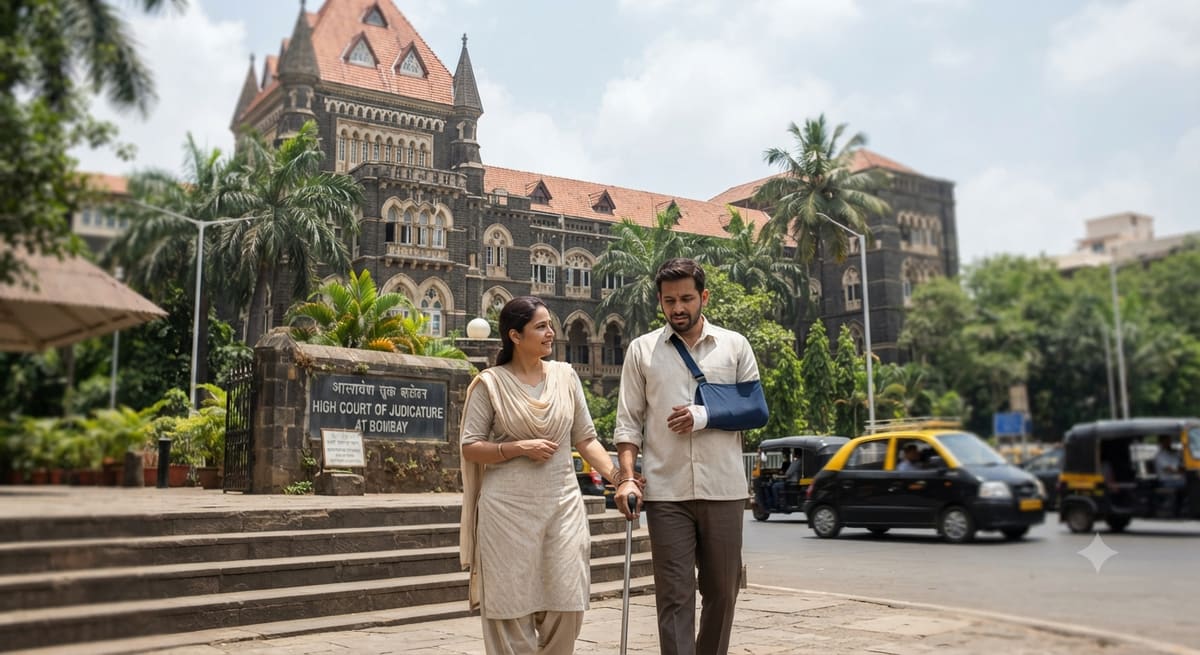
The appellant, Babarao s/o Ganpatrao Khandare, a 40-year-old practicing advocate and agriculturist from Hingoli, Maharashtra, suffered injuries in a motor accident on 06-06-2002 involving a vehicle bearing Registration No. MH-22-5814. He sustained an Intracapsular Femoral Neck fracture, leading to 50% permanent impairment and significant discomfort in his professional and personal life. Aggrieved by the meager compensation awarded by the Motor Accident Claims Tribunal (MACT), Hingoli, he filed an appeal seeking enhancement.
Key Facts
- Date of Accident: 06-06-2002
- Nature of Injury: Intracapsular Femoral Neck fracture, leading to 50% permanent impairment
- Claim Filed: Motor Accident Claim Petition (M.A.C.P.) No. 137 of 2003 under Section 166 of the Motor Vehicles Act, 1988
- Claim Amount: Rs. 11,00,000
- Tribunal Award: Rs. 1,50,000 with 6% interest per annum
- Medical Evidence: Certificate from Dr. Bangar (Civil Hospital) confirming permanent impairment
- Professional Impact: Appellant continued his law practice but faced discomfort and frustration due to physical limitations
Procedural History
- 15-07-2003: Claim petition filed before MACT, Hingoli
- 23-04-2007: Tribunal awarded Rs. 1,50,000 with 6% interest
- 2008: Appellant filed First Appeal No. 1144 of 2008 before Bombay High Court, Aurangabad Bench
- 03-07-2026: Judgment reserved
- 13-07-2026: Judgment pronounced, enhancing compensation by Rs. 2,00,000
The Parties' Positions
Appellant (Babarao Khandare):
- Argued that the Tribunal failed to consider loss of future earnings, permanent disability, pain and suffering, and other components of compensation
- Contended that his 50% permanent impairment severely affected his ability to practice law, which requires physical mobility
- Sought enhancement of compensation to reflect just and adequate relief
Respondent No. 2 (Oriental Insurance Co. Ltd.):
- Supported the Tribunal’s award, arguing that the disability certificate was unreliable as the doctor was not an orthopedic specialist
- Contended that there was no evidence of loss of earnings post-accident
- Submitted that the appellant continued his practice without significant hindrance
Relief Sought
The appellant sought enhancement of the Tribunal’s award of Rs. 1,50,000 to include compensation for:
- Pain and suffering
- Discomfort and frustration in life
- Permanent disablement
- Future medical expenses
- Nutritious food and attendant charges
- Litigation costs
The Legal Issue
The central question before the Court was whether permanent disability resulting from a motor accident entitles a claimant to compensation beyond loss of earnings, particularly for pain, suffering, discomfort, and future medical expenses, even if the claimant continues to earn income post-accident.
Arguments Presented
For the Appellant
- Relied on medical evidence, including the certificate from Dr. Bangar, to establish 50% permanent impairment
- Argued that the Tribunal erred in limiting compensation to loss of earnings during hospitalization and ignoring non-pecuniary damages
- Contended that the appellant’s profession as an advocate required physical mobility, which was permanently affected
- Cited precedents where courts awarded compensation for pain, suffering, and permanent disability irrespective of loss of earnings
For the Respondent (Insurer)
- Challenged the reliability of the disability certificate, noting that Dr. Bangar was not an orthopedic specialist
- Argued that the appellant continued his law practice without significant hindrance, negating claims of loss of earnings
- Submitted that the Tribunal’s award was just and adequate, covering medical expenses and temporary loss of income
- Contended that no evidence was adduced to prove future loss of earnings or medical expenses
The Court's Analysis
The Court undertook a detailed examination of the evidentiary record and the principles governing motor accident compensation. Key observations included:
-
Medical Evidence and Permanent Disability:
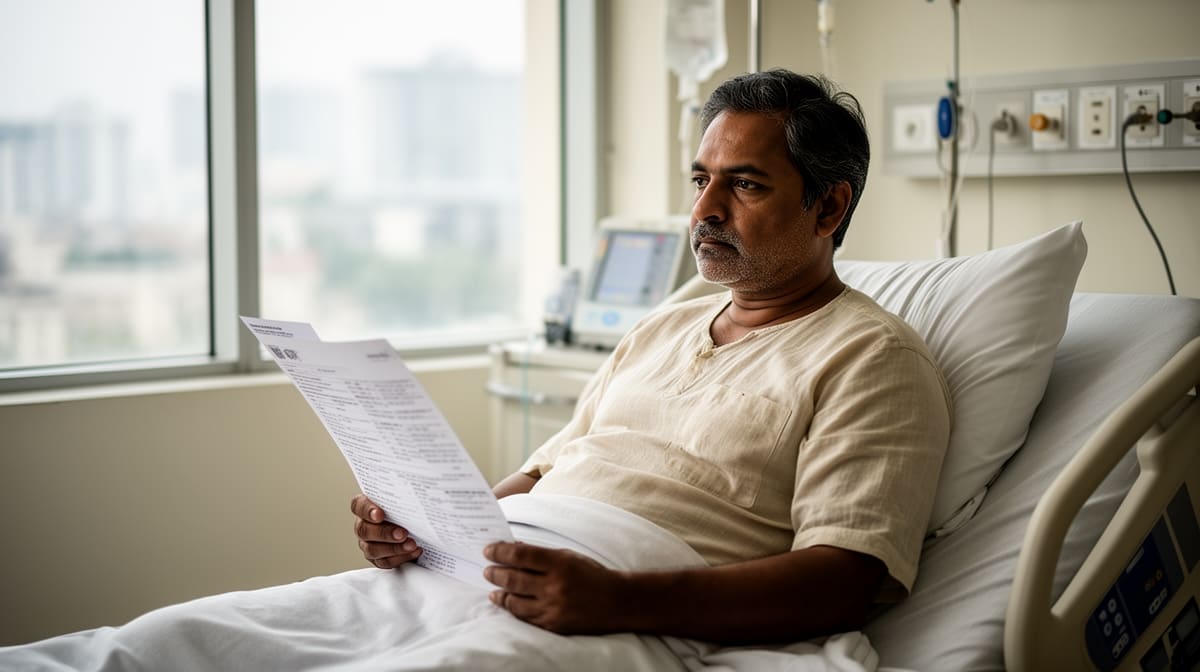
- The Court noted that the appellant suffered an Intracapsular Femoral Neck fracture, a serious injury requiring three months of hospitalization
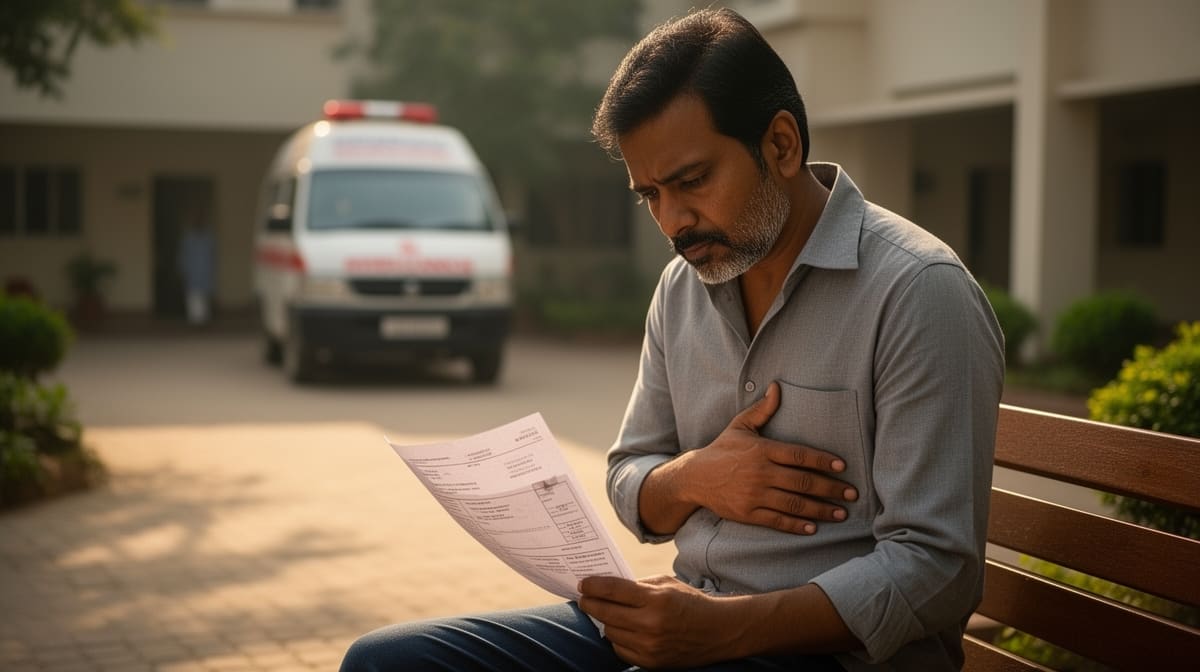
- While the appellant continued his practice, the permanent impairment - including a shortened leg - caused discomfort and frustration, particularly in a profession demanding physical presence
- The Court relied on the medical certificate issued by Dr. Bangar, observing that the nature of the injury itself was sufficient to establish permanent disability, even if the doctor was not an orthopedic specialist
-
Compensation Beyond Loss of Earnings:
- The Tribunal had erroneously limited compensation to loss of earnings during hospitalization, ignoring non-pecuniary damages such as pain, suffering, and permanent disablement
- The Court emphasized that Section 166 of the Motor Vehicles Act mandates just and adequate compensation, which includes all heads of damages, not merely economic loss
- It held that permanent disability warrants compensation irrespective of whether the claimant suffers loss of earnings, as it affects quality of life
-
Assessment of Compensation Heads:
- The Court broke down the additional compensation into specific heads, ensuring a structured and reasoned approach to enhancement:
"Although, appellant has not suffered loss of future earning, he is definitely entitled for compensation towards discomfort in life, pain and sufferings, and permanent disablement."
- The following heads were awarded:
- Pain and Sufferings: Rs. 50,000
- Discomfort and Frustration in Life: Rs. 50,000
- Permanent Disablement: Rs. 50,000
- Future Medical Expenses: Rs. 10,000
- Nutritious Food and Attendant Charges: Rs. 15,000
- Litigation Charges: Rs. 25,000
- The Court justified these amounts based on the severity of the injury, the appellant’s profession, and the permanent nature of the impairment
- The Court broke down the additional compensation into specific heads, ensuring a structured and reasoned approach to enhancement:
-
Interest Award:
- The Court upheld the 6% interest rate awarded by the Tribunal, running from the date of the claim petition until realization
The Verdict
The appeal was partly allowed. The Court enhanced the compensation by Rs. 2,00,000, in addition to the Tribunal’s award of Rs. 1,50,000, bringing the total compensation to Rs. 3,50,000. The enhanced amount carries interest at 6% per annum from the date of the claim petition until payment. The respondents were directed to comply with the award within the stipulated timeframe.
What This Means For Similar Cases
Permanent Disability Entitles Non-Pecuniary Compensation
This judgment reinforces that permanent disability resulting from a motor accident entitles claimants to compensation beyond loss of earnings. Practitioners should argue for:
- Pain and suffering as a distinct head, even if the claimant continues to earn income
- Discomfort and frustration in life, particularly where the profession demands physical mobility
- Future medical expenses, especially for injuries requiring long-term care
Medical Evidence Need Not Be From a Specialist
- The Court relied on the medical certificate issued by Dr. Bangar, despite his non-specialization in orthopedics
- This sets a precedent that medical evidence need not always come from a specialist, provided the nature of the injury is sufficiently established
- Practitioners can cite this judgment to counter challenges to medical certificates based on the doctor’s specialization
Structured Approach to Compensation Heads
- The Court’s breakdown of compensation heads provides a template for practitioners to demand just and adequate relief
- Key heads to plead in similar cases:
- Pain and sufferings
- Permanent disablement
- Future medical expenses
- Attendant charges and nutritious food
- Litigation costs
- This judgment can be cited to persuade tribunals to adopt a structured approach rather than awarding a lump-sum amount
Interest on Enhanced Compensation
- The Court upheld the 6% interest rate on the enhanced compensation, running from the date of the claim petition
- Practitioners should insist on interest from the date of the accident or claim, whichever is earlier, to ensure full restitution