The Kerala High Court has clarified that appointment under a dying-in-harness scheme does not absolve a person from the statutory obligation to maintain their parents-in-law under the Maintenance and Welfare of Parents and Senior Citizens Act, 2007. This judgment reinforces the principle that familial duty transcends the mode of employment acquisition, setting a critical precedent for maintenance proceedings involving in-laws.
Background & Facts
The Dispute
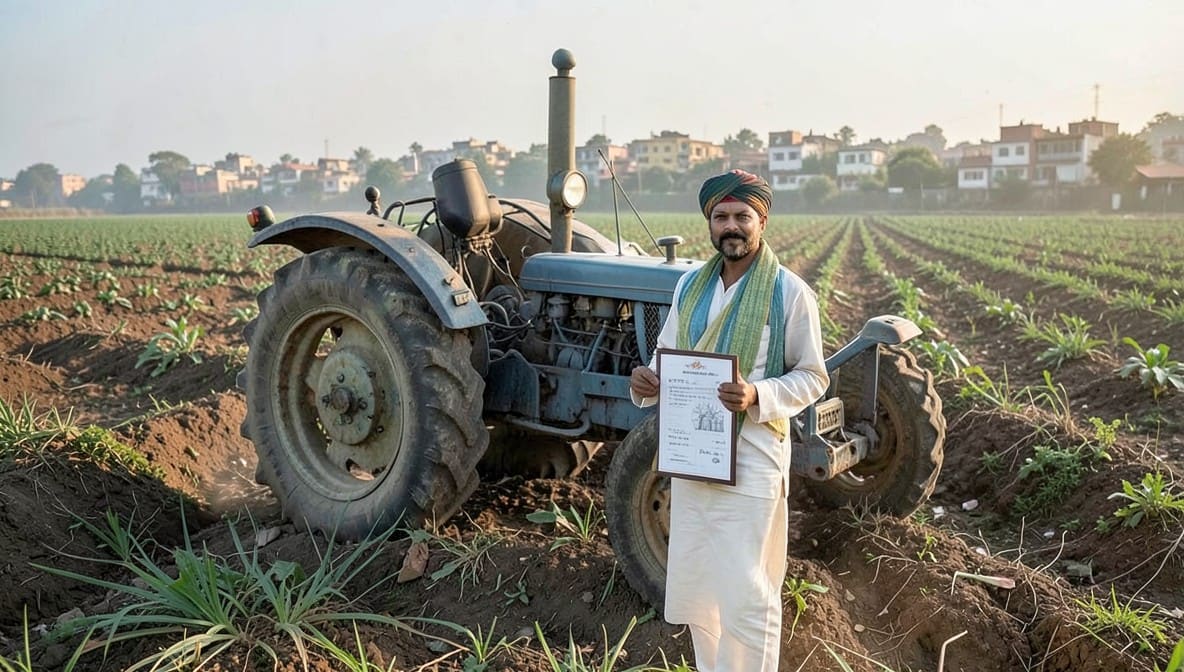
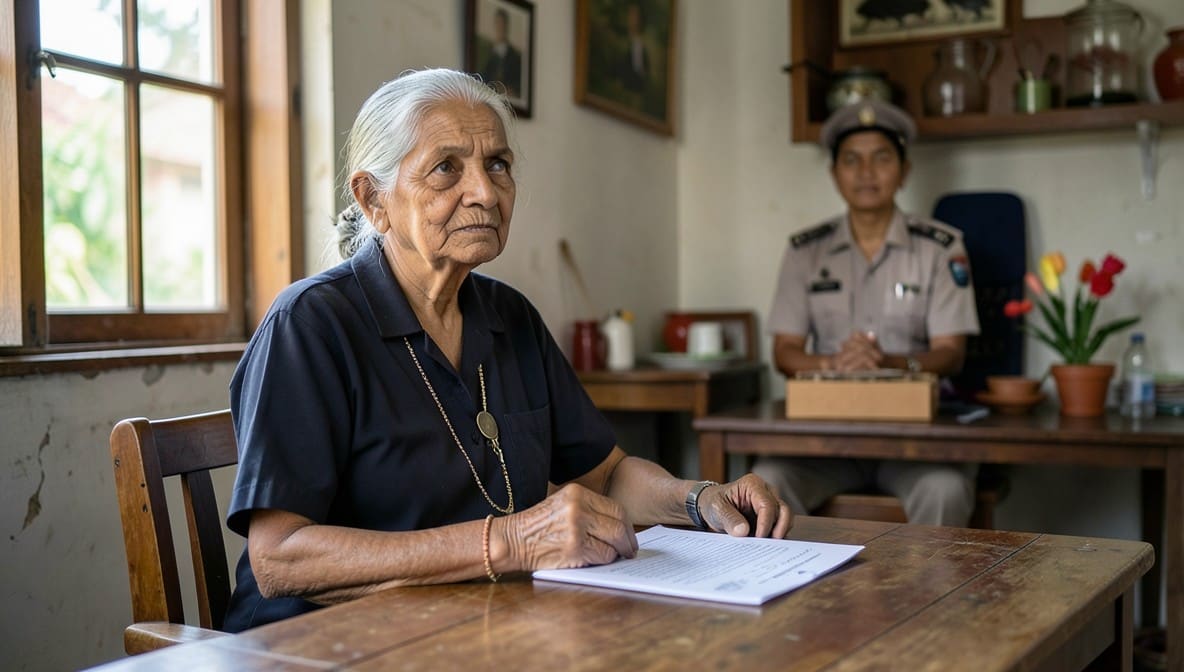
The petitioner, I.K. Shaji, was appointed to a government post under the Dying-in-Harness Scheme following the death of his wife, who was a Staff Nurse at the Government Medical College, Kozhikode. Respondents 3 and 4, his father-in-law and mother-in-law, filed a petition before the Maintenance Tribunal seeking monthly maintenance, alleging neglect by the petitioner despite his stable government income.
Procedural History
- 2023: Maintenance Tribunal passed Ext.P2 order directing petitioner to pay ₹7,000 per month to respondents 3 and 4.
- 2024: Petitioner failed to comply; Execution Order Ext.P4 was issued.
- 2024: Petitioner filed W.P.(C) No.42949/2024 challenging the Tribunal’s order on grounds of non-applicability of the Act and denial of hearing.
- 2025: Respondent 3 filed W.P.(C) No.24233/2025 seeking direction to the District Collector to act on his representation; Court directed the Collector to decide within two months.
- 2025: Petitioner filed R.P. No.1157/2025 alleging the Court’s earlier judgment overlooked the pendency of W.P.(C) No.42949/2024.
Relief Sought
The petitioner sought quashing of Ext.P2 and Ext.P4 orders, arguing he was not a "child" under the Act and was denied natural justice. The respondents sought enforcement of the maintenance order and reliance on Government Order G.O.(MS) No.11/2024/P&ARD dated 24.06.2024, which mandates welfare of dependants of deceased government employees.
The Legal Issue
The central question was whether a person appointed under the Dying-in-Harness Scheme, by virtue of marrying into a family, qualifies as a "child" under Section 2(a) of the Maintenance and Welfare of Parents and Senior Citizens Act, 2007, and thereby incurs a legal obligation to maintain their parents-in-law.
Arguments Presented
For the Petitioner
The petitioner contended that the term "child" under Section 2(a) of the Act refers only to biological or adopted children, not sons-in-law or daughters-in-law. He relied on the plain language of the statute and cited Smt. Sushila Devi v. Smt. Kamla Devi to argue that in-laws are not included within the ambit of "children". He further asserted that he was not afforded a meaningful opportunity of hearing before the Tribunal, violating Article 14 and Article 21.
For the Respondent
The respondents argued that the Act’s purpose is to ensure welfare of senior citizens, regardless of the nature of familial ties. They relied on G.O.(MS) No.11/2024/P&ARD, which explicitly recognizes the duty of those who inherit government employment through the death of a family member to support the deceased’s parents. They emphasized that the petitioner had voluntarily admitted before the Tribunal his willingness to pay ₹7,000, thereby waiving any procedural objection.
The Court's Analysis
The Court examined the definition of "child" under Section 2(a) of the Maintenance and Welfare of Parents and Senior Citizens Act, 2007, which states: "'child' means a son, daughter, grandson or granddaughter". The Court noted that while the term does not explicitly include sons-in-law, the Act’s legislative intent is to prevent abandonment of senior citizens by those who benefit from their care or legacy.
"The petitioner, having secured a government job through the death of his wife, stands in a position of advantage derived from the deceased’s service. To permit him to disclaim responsibility towards her parents would defeat the very object of the Act."
The Court held that the petitioner’s admission before the Maintenance Tribunal - where he agreed to pay ₹7,000 monthly - constituted a binding acknowledgment of liability. The Tribunal was entitled to rely on this admission, and no separate hearing was required under the circumstances. The Court further observed that G.O.(MS) No.11/2024/P&ARD, though administrative, reflects a policy alignment with the Act’s spirit and reinforces the moral and legal duty.
The Court rejected the petitioner’s claim of procedural violation, noting that the Tribunal had issued summons, the petitioner appeared, and his statement was recorded. The failure to pay thereafter did not invalidate the order.
The Verdict
The petitioner’s writ petition and the review petition were dismissed. The Court held that a person who obtains government employment under the Dying-in-Harness Scheme is liable to maintain the parents of the deceased spouse under the Maintenance and Welfare of Parents and Senior Citizens Act, 2007, provided they have the means to do so. The ₹7,000 monthly maintenance order stands affirmed.
What This Means For Similar Cases
Maintenance Liability Extends to In-Laws Through Beneficial Succession
- Practitioners must now argue that Section 2(a) of the MWPSC Act, while textually narrow, must be interpreted purposively when a person gains economic advantage from the death of a family member.
- In-laws may be included under the Act’s protective ambit if the claimant’s livelihood is directly traceable to the deceased’s service.
- Administrative orders like G.O. 11/2024 can be invoked to support statutory interpretation in maintenance proceedings.
Admission Before Tribunal Is Binding and Waives Procedural Defects
- A voluntary admission of liability before the Maintenance Tribunal, even if later retracted, constitutes a judicial admission under Section 58 of the Indian Evidence Act.
- Courts will not entertain procedural challenges to maintenance orders where the respondent has acknowledged responsibility in open proceedings.
- Practitioners should advise clients to avoid unqualified statements before Tribunals unless legally advised.
Policy Can Inform Statutory Interpretation in Welfare Legislation
- Courts may look beyond the literal text of welfare statutes to consider government policy, especially where the policy aligns with the statute’s objective.
- This judgment signals a trend toward expansive interpretation of "child" in social security laws when economic benefit is derived from familial loss.
- Future cases involving inheritance of jobs, pensions, or benefits through death may invoke this precedent to establish maintenance obligations.