The Bombay High Court has clarified the scope of eviction proceedings under the Maharashtra Government Premises (Eviction) Act, 1955, holding that former employees of a government-owned textile mill cannot retain residential quarters after accepting the Voluntary Retirement Scheme (VRS). The judgment underscores that residential quarters provided during employment are incidental to service and must be vacated upon retirement, especially when a settlement agreement explicitly mandates such vacation.
Background & Facts
The Dispute
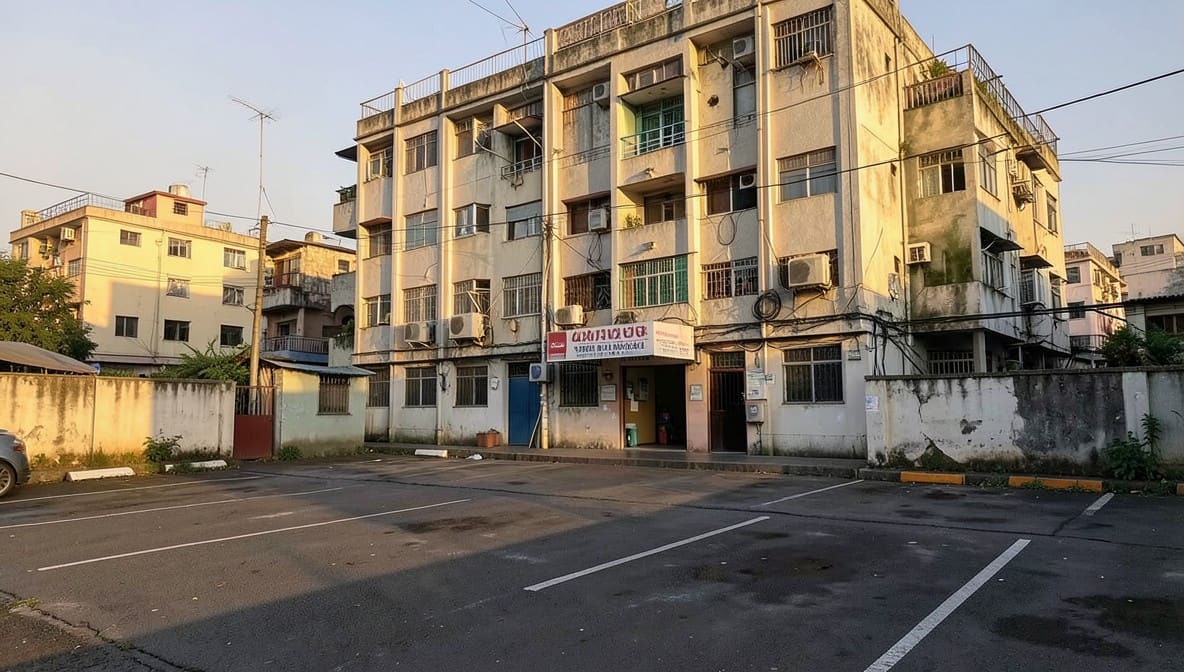
The petitioners, former employees of Pratap Spinning, Weaving and Manufacturing Company Limited (hereinafter "the Company"), were allotted residential quarters in Pratap Mill Gin Chawl, Amalner, during their tenure. The Company, a government undertaking with 99.95% paid-up share capital held by Maharashtra State Textile Corporation, was shut down on 30.09.2001. The employees, including the petitioners, accepted the Voluntary Retirement Scheme (VRS) and received their full and final settlements. However, they continued to occupy the residential quarters, prompting the Company to initiate eviction proceedings under Sections 4 and 5 of the Maharashtra Government Premises (Eviction) Act, 1955.
Key Facts
- The Company took land on lease from Vijay Baburao Mudhe via a lease deed dated 04.04.1910 for a period of 50 years, expiring on 04.04.1960. The lease deed contained a clause allowing the Company to retain possession even after expiry.
- The Company constructed residential quarters for its employees on the leased land.
- The Company was shut down on 30.09.2001, and employees were offered VRS.
- A settlement agreement dated 27.09.2001 was executed between the Company and the Rashtriya Mill Mazdoor Union, of which the petitioners were members. The agreement stipulated:
- Employees would peacefully vacate the residential quarters and hand over possession to the Company.
- Final dues, including gratuity and ex-gratia amounts, would be disbursed only after vacating the premises.
- The Company would be free to dispose of its assets, including land and buildings, without obstruction.
- The Company deducted the valuation of the premises from the VRS benefits paid to the employees.
- Despite accepting VRS and receiving settlements, the petitioners refused to vacate the quarters.
- The Company issued legal notices dated 01.04.2008 and 04.04.2008 demanding vacation of the premises.
Procedural History
- 2008: The Company filed Eviction Case No. 4 of 2008 and other eviction cases before the Resident Deputy Collector (RDC), Jalgaon, under the Maharashtra Government Premises (Eviction) Act, 1955.
- 17.07.2009: The RDC rejected the eviction applications, holding that the Company had failed to establish its entitlement to evict the petitioners.
- 29.06.2015: The District Judge-1, Amalner, allowed the appeals filed by the Company, setting aside the RDC’s order and directing eviction of the petitioners.
- 2015: The petitioners filed multiple writ petitions (WP Nos. 9803, 9827, 9811, 9825, 9816, 9828, 9831, 9813, 9035, 9807, 9832, 9814, 9810, 9805, 9806, 9815, 9826, 9804, and 9812 of 2015) before the Bombay High Court, challenging the District Judge’s order.
- 18.03.2026: The High Court passed an interim order noting that the parties had initially agreed to a settlement involving alternate premises, but the petitioners later retracted from the agreement.
- 20.04.2026: The respondents withdrew their undertakings to provide alternate premises, and the matter was heard on merits.
- 16.06.2026: The High Court pronounced its judgment, dismissing the writ petitions.
The Parties' Positions
For the Petitioners
- The petitioners contended that the lease deed expired in 1960, and the Company lost its locus standi to seek eviction thereafter.
- They argued that the property ceased to be Government premises after the lease expired, as the land was mutated as Group-C land (private land).
- The petitioners relied on a State Cabinet decision dated 11.03.2003, which allegedly bestowed ownership rights upon them.
- They claimed that the valuation of the premises was deducted from their VRS benefits, giving them a vested financial right to retain the quarters.
- They asserted that they were lawful occupants and could not be evicted, as they had occupied the premises for over 60 years.
For the Respondents
- The Company contended that it was a Government undertaking under Section 2(45) of the Companies Act, 1956, as 99.95% of its paid-up share capital was held by the Maharashtra State Textile Corporation.
- It argued that the residential quarters were Government premises under Section 2(b) of the Maharashtra Government Premises (Eviction) Act, 1955, as they were constructed on leased land and owned by the Company.
- The Company relied on the settlement agreement dated 27.09.2001, which mandated that employees vacate the quarters as a precondition for receiving final VRS dues.
- It submitted that the petitioners, having accepted VRS and received settlements, were unauthorized occupants and bound by the agreement to vacate.
- The Company pointed out that 28 out of 48 occupants had already vacated the premises and accepted alternate accommodation, demonstrating the reasonableness of its demand.
Relief Sought
The petitioners sought:
- Quashing of the District Judge’s order dated 29.06.2015, which directed their eviction.
- A declaration that the Company lacked locus standi to initiate eviction proceedings.
- Recognition of their alleged ownership rights over the premises based on the State Cabinet decision.
- An injunction restraining the Company from dispossessing them.
The Legal Issue
The central legal questions before the Court were:
- Whether the Company qualified as a Government undertaking under the Maharashtra Government Premises (Eviction) Act, 1955, thereby entitling it to initiate eviction proceedings.
- Whether the petitioners, having accepted VRS and received settlements, were unauthorized occupants of the residential quarters and thus liable to be evicted.
- Whether the settlement agreement between the Company and the employees’ union was binding on the petitioners, mandating vacation of the premises.
Arguments Presented
For the Petitioners
- The petitioners argued that the lease deed expired in 1960, and the Company no longer had any right over the land or the premises.
- They contended that the property was mutated as Group-C land, making it private premises, and thus outside the purview of the Eviction Act.
- They relied on the State Cabinet decision dated 11.03.2003, claiming it conferred ownership rights upon them.
- They submitted that the valuation of the premises was deducted from their VRS benefits, giving them a legitimate expectation to retain the quarters.
For the Respondents
- The Company argued that it was a Government undertaking under Section 2(b) of the Eviction Act, as it met the 51% shareholding threshold.
- It contended that the residential quarters were Government premises, as they were constructed on leased land and owned by the Company.
- The Company relied on the settlement agreement, which explicitly required employees to vacate the quarters as a precondition for receiving VRS dues.
- It submitted that the petitioners, having accepted VRS and received settlements, were unauthorized occupants and estopped from claiming any right to retain the premises.
- The Company pointed out that 28 occupants had already vacated, demonstrating the reasonableness of its demand.
The Court's Analysis
The Court conducted a multi-pronged analysis to resolve the dispute:
1. Government Premises and Company’s Status
The Court examined Section 2(b) of the Maharashtra Government Premises (Eviction) Act, 1955, which defines "Government premises" as:
"(b) ‘Government premises’ means any premises belonging to, or taken on lease by the State Government, and includes the premises requisitioned or continued under requisition under the Bombay Land Requisition Act, 1948 and allotted by the State Government for any non-residential purpose to any department or office of the State Government or Central Government or any public sector undertaking or corporation owned or controlled fully or partly by the State Government... and also includes any premises belonging to, or taken on lease or held by, or on behalf of (i) any company as defined in section 3 of the Companies Act, 1956, in which not less than fifty-one per cent., of the paid-up share capital is held by the State Government."
The Court noted that the Company’s status as a Government undertaking was undisputed, as 99.95% of its paid-up share capital was held by the Maharashtra State Textile Corporation. Thus, the residential quarters, constructed on leased land and owned by the Company, qualified as Government premises under the Act.
2. Lease Deed and Continuing Possession
The Court scrutinized the lease deed dated 04.04.1910, which contained a clause allowing the Company to retain possession even after the expiry of the 50-year lease period. The translated clause read:
"Upon the expiration of the aforementioned fifty-year term, should the Company wish to retain the possession of the said property, it shall have the right to continue utilizing it subject to such terms and conditions as the Company may determine at its sole discretion; provided, however, that subsequent to the fifty-year term, the Company shall pay an annual rent of ₹425."
The Court held that this clause explicitly bestowed the Company with the right to retain possession of the land and the premises erected thereon, even after the lease expired in 1960. Thus, the Company’s locus standi to seek eviction was upheld.
3. Settlement Agreement and Estoppel
The Court placed significant reliance on the settlement agreement dated 27.09.2001, which was executed between the Company and the Rashtriya Mill Mazdoor Union. The agreement contained two critical clauses:
Clause 7: "The residential quarters allotted to the employees... shall be peacefully vacated by said employees; the vacated premises shall then be handed over to the Mill Management. Subsequently, the final dues payable under the Voluntary Retirement Scheme - specifically gratuity and the ex-gratia/gracious amount - shall be disbursed."
Clause 8: "Pratap Mill, Amalner, shall be free to dispose of the mill's plant, machinery, buildings, land (whether held under lease or otherwise), and/or other assets; furthermore, no employee... nor anyone acting on their behalf, shall cause any obstruction or hindrance to the proceedings intended for the disposal of said assets."
The Court held that Clause 7 created a binding obligation on the petitioners to vacate the premises as a precondition for receiving their VRS dues. Having accepted the VRS and received settlements, the petitioners were estopped from denying their obligation to vacate. The Court further noted that Clause 8 reinforced the Company’s right to dispose of its assets, including the residential quarters, without obstruction.
4. Admitted Facts and Evidentiary Record
The Court analyzed the evidence adduced before the RDC, including the cross-examination of witnesses. Key admissions by the petitioners included:
- The Company was shut down on 30.09.2001.
- The petitioners accepted VRS and received full settlements.
- The petitioners were members of the Rashtriya Mill Mazdoor Union, which was a signatory to the settlement agreement.
- The petitioners acknowledged receiving notices to vacate the premises.
The Court held that these admissions undermined the petitioners’ contentions, as they had accepted the VRS and its terms, including the obligation to vacate the quarters.
5. Petitioners’ Contentions Rejected
The Court rejected the petitioners’ arguments on the following grounds:
- Expiry of Lease: The Court held that the lease deed’s clause allowing continued possession negated the petitioners’ claim that the Company lost locus standi after 1960.
- State Cabinet Decision: The Court noted that the State Cabinet decision dated 11.03.2003 was not brought on record, and even if it existed, it could not override the settlement agreement, which was binding on the petitioners.
- Deduction of Valuation: The Court observed that while the valuation of the premises was deducted from VRS benefits, the petitioners failed to produce any documentary evidence to substantiate their claim of ownership rights.
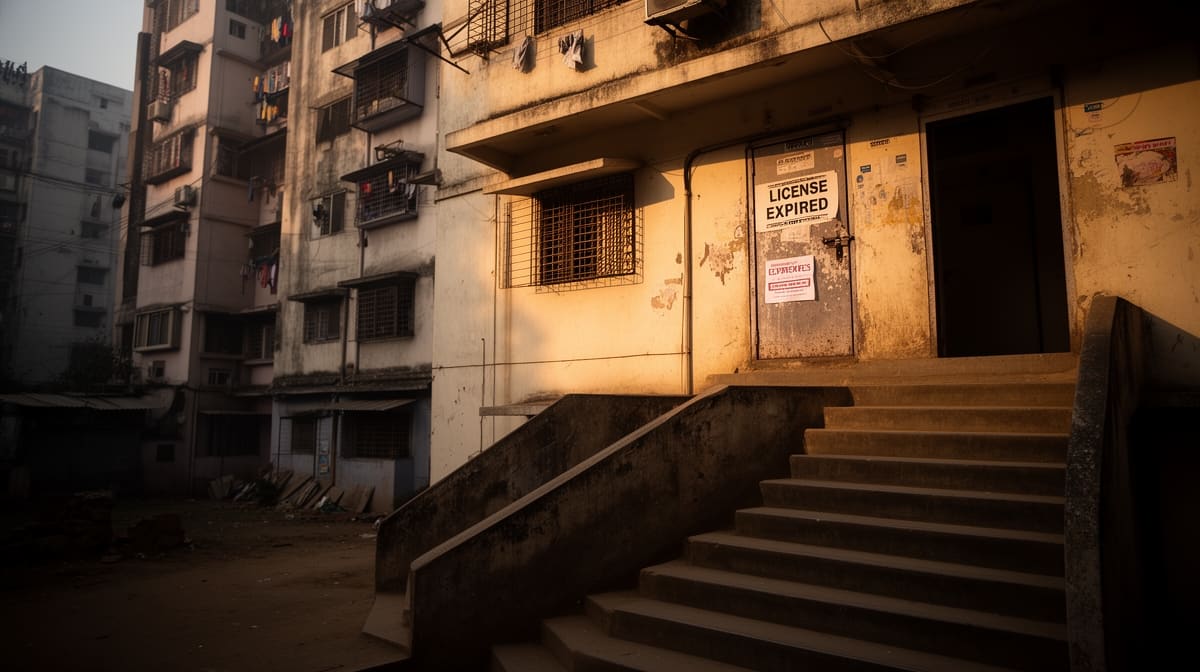
- Unauthorized Occupation: The Court held that the petitioners, having accepted VRS and ceased to be employees, were unauthorized occupants under Section 4 of the Eviction Act.
The Verdict
The Bombay High Court dismissed all the writ petitions, upholding the District Judge’s order dated 29.06.2015 directing the eviction of the petitioners. The Court ruled that:
- The Company was a Government undertaking, and the residential quarters were Government premises under the Maharashtra Government Premises (Eviction) Act, 1955.
- The petitioners, having accepted VRS and received settlements, were unauthorized occupants and bound by the settlement agreement to vacate the premises.
- The eviction order was stayed for eight weeks from the date of the judgment (16.06.2026) to allow the petitioners to approach the Supreme Court.
What This Means For Similar Cases
Settlement Agreements Are Binding on Employees
- The judgment reinforces that settlement agreements between employers and employees’ unions are legally binding on all members of the union, including those who accept VRS.
- Employees cannot retract from agreed terms (e.g., vacation of premises) after accepting benefits under the settlement.
- Practitioners should scrutinize settlement agreements to ensure clarity on post-retirement obligations, such as vacation of residential quarters.
Government Premises and Eviction Proceedings
- Government premises under the Maharashtra Government Premises (Eviction) Act, 1955 include premises owned or leased by Government companies where the State holds at least 51% paid-up share capital.
- Unauthorized occupation includes continuance in premises after termination of employment, even if the occupant was previously authorized.
- Competent authorities (e.g., Resident Deputy Collector) have wide powers to evict unauthorized occupants, including using necessary force under Section 4(3) of the Act.
Lease Deeds and Continuing Possession
- Lease deeds containing clauses for continued possession post-expiry are enforceable, even if the lease period has technically ended.
- Employers should ensure lease agreements include such clauses to retain control over premises constructed on leased land.
- Mutation of land records (e.g., to Group-C land) does not automatically extinguish the employer’s rights if the lease deed or settlement agreement provides otherwise.
Practical Takeaways for Practitioners
-
For Employees:
- Review settlement agreements carefully before accepting VRS, especially clauses mandating vacation of premises.
- Document all deductions from VRS benefits (e.g., valuation of premises) to avoid disputes over ownership rights.
-
For Employers/Government Undertakings:
- Initiate eviction proceedings promptly after employees refuse to vacate, relying on settlement agreements and statutory provisions.
- Ensure lease deeds contain clauses for continued possession to avoid disputes over locus standi.
- Maintain records of all communications (e.g., legal notices) demanding vacation of premises.
-
For Competent Authorities (e.g., RDC):
- Scrutinize settlement agreements and lease deeds to determine the employer’s locus standi and the occupant’s authorization.
- Admit evidence of VRS acceptance and settlement terms to establish unauthorized occupation.