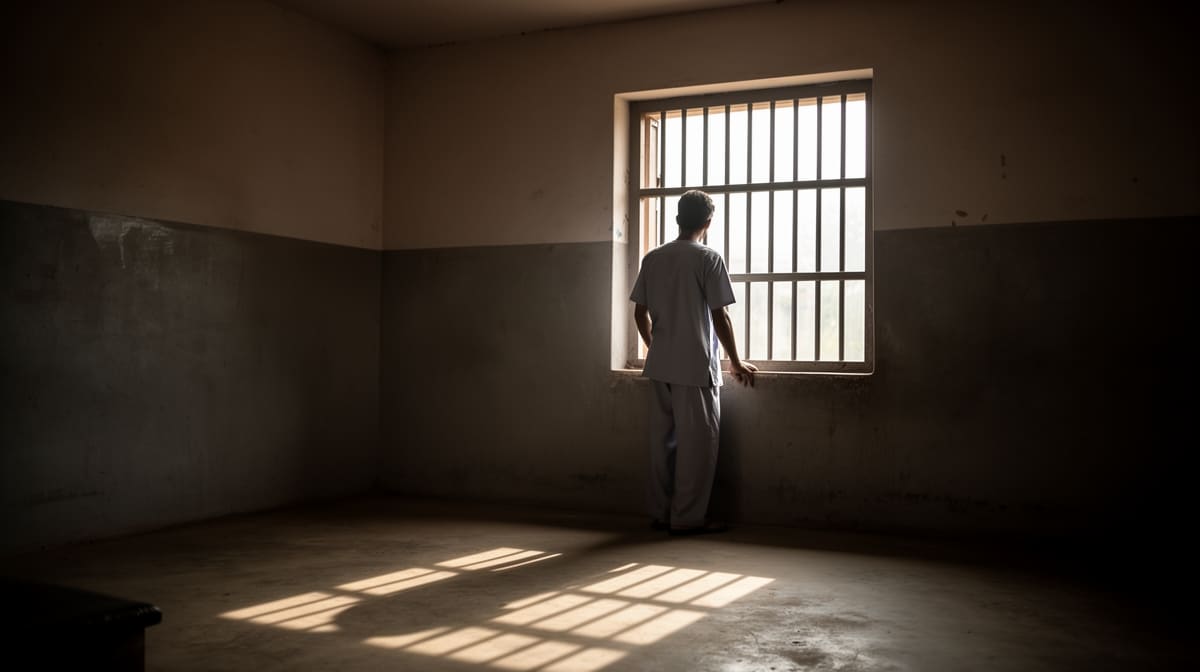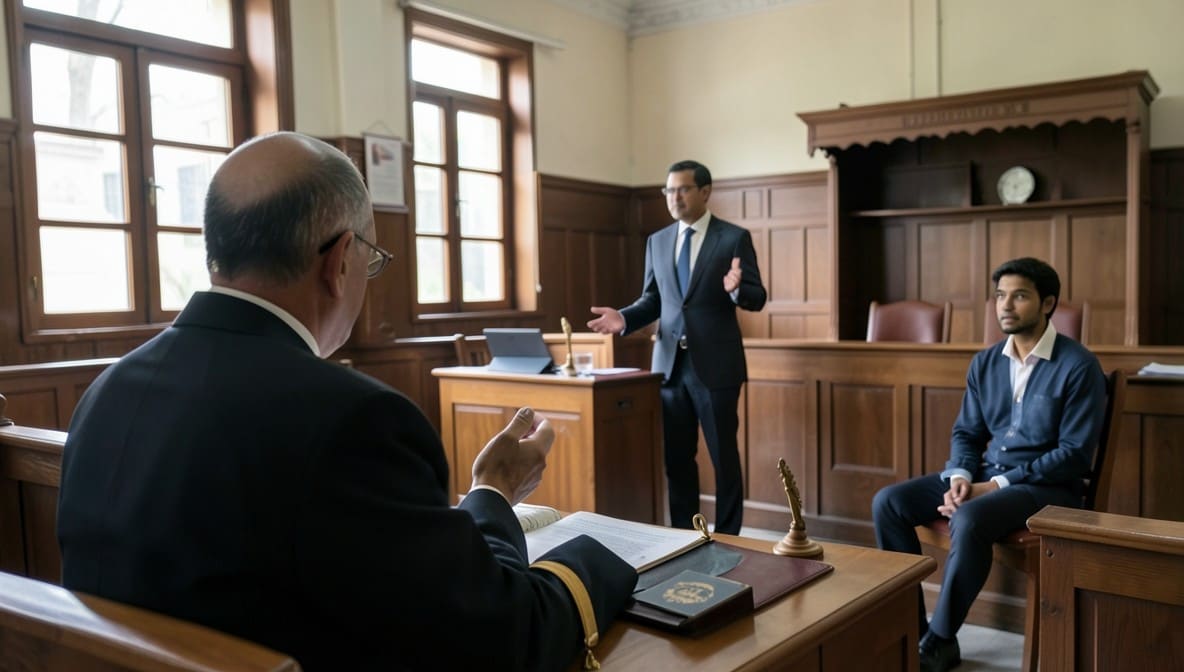
The Bombay High Court has suspended the life sentence of an accused in a 2003 murder case, granting him bail during the pendency of his appeal. The Court emphasized the prolonged trial duration and the fact that the accused had been on bail throughout the trial for 22 years as key factors in its decision. The ruling underscores the judiciary's evolving approach to bail in cases involving life imprisonment, particularly where trials extend over decades.
Background & Facts
The Genesis
The applicant, Shivaji Hanmantrao Patil, was convicted under Sections 147, 148, 302 read with 149 of the Indian Penal Code, 1860 (IPC) for the murder of Digambar Patil on 22.05.2003. The incident arose from a land dispute, and the applicant was one of 13 accused charged with rioting and murder.
Key Facts
- The deceased, Digambar Patil, was assaulted with sticks on vital parts of his body, leading to his death due to brain injury.
- Five of the eight eyewitnesses testified that the applicant assaulted the deceased on his head with a stick.
- Bloodstained sticks were recovered from the applicant's field.
- The applicant was initially granted bail during the trial and remained on bail for 22 years until his conviction on 21.02.2025.
- The trial concluded after 22 years, with the judgment delivered in 2025.
Procedural History
- 22.05.2003: Incident of assault and murder occurred.
- 2004: Sessions Case No. 1 of 2004 registered against the applicant and 12 others.
- 2004-2025: Trial proceedings extended over 22 years.
- 21.02.2025: Applicant convicted and sentenced to life imprisonment by the Sessions Court.
- 14.07.2026: Appeal reserved by the Bombay High Court.
- 21.07.2026: Present Criminal Application No. 1242 of 2026 filed for suspension of sentence and bail during appeal.
The Parties' Positions
The applicant sought suspension of his life sentence and release on bail during the pendency of his appeal. He argued that:
- The trial lasted 22 years, during which he was on bail.
- The appeal process would take considerable time to conclude.
- Other co-accused had already been released on bail by the High Court.
The State opposed the application, contending that:
- Five eyewitnesses identified the applicant as having assaulted the deceased.
- Bloodstained sticks were recovered from the applicant's field, linking him to the crime.
- The High Court had previously declined to grant bail to the applicant in earlier proceedings.
The Legal Issue
The central question was whether the applicant, convicted of murder and sentenced to life imprisonment, could be granted bail during the pendency of his appeal, considering the prolonged trial duration and his prior bail status.
Arguments Presented
For the Applicant
The applicant's counsel relied on the fact that the applicant had been on bail for 22 years during the trial. He argued that the appeal process would take significant time, and the applicant's continued incarceration was not justified given his prior bail status and the passage of time.
For the Respondent
The State, represented by the Assistant Public Prosecutor (A.P.P.), opposed the application. The A.P.P. highlighted that five eyewitnesses had identified the applicant as having assaulted the deceased with a stick. Additionally, bloodstained sticks were recovered from the applicant's field, and the cause of death was attributed to brain injury caused by the assault. The State also pointed out that the High Court had previously declined to grant bail to the applicant in earlier proceedings.
The Court's Analysis
The Court examined the evidence on record, including the testimony of eyewitnesses and the recovery of bloodstained sticks from the applicant's field. While acknowledging the gravity of the offence, the Court noted the following critical factors:
- The applicant had been on bail for 22 years during the trial, indicating that the trial court had initially found no reason to deny him bail.
- The appeal process would take considerable time to conclude, given the volume of evidence and the complexity of the case.
- The Court distinguished the present case from cases where bail was denied due to the severity of the offence alone.
The Court observed that the prolonged trial and the applicant's prior bail status weighed in favor of granting bail during the pendency of the appeal. It noted that the applicant's continued incarceration was not justified given the time already spent on trial and the likely delay in concluding the appeal.
"The hearing of this appeal will definitely take certain time and cannot be completed within near future. Therefore, considering the fact that the present applicant was on bail during the trial, the applicant can be released on bail during the pendency of this appeal by suspending his substantive sentence of imprisonment."
The Verdict
The Court allowed the application and suspended the applicant's life sentence during the pendency of his appeal. The applicant was released on bail upon executing a personal recognizance bond of Rs. 50,000 with one or more sureties in the like amount. The Court directed that the appeal be disposed of accordingly.
What This Means For Similar Cases
Bail During Trial Is Not a Precedent for Bail During Appeal
The ruling clarifies that bail during trial does not automatically translate to bail during appeal. Courts must independently assess the merits of the case, the evidence, and the likelihood of the appeal's success before granting bail during appeal.
Prolonged Trials Favor Bail Considerations
- Courts are increasingly considering the duration of trials and the time spent in custody as factors in bail decisions during appeal.
- The Court's emphasis on the 22-year trial duration highlights the judiciary's sensitivity to the impact of prolonged legal proceedings on accused persons.
Evidence Remains Paramount
- The Court did not overlook the evidence against the applicant, including eyewitness testimony and the recovery of bloodstained sticks.
- The ruling underscores that bail during appeal is not a right but a discretionary relief, granted only when the Court is satisfied that the applicant's continued incarceration is not justified.