The High Court of Telangana has issued a decisive directive against protracted inaction by magistrates in disposing of final reports under Section 528 of the Bharatiya Nagarik Suraksha Sanhita, reinforcing that undue delay in criminal proceedings constitutes a violation of the fundamental right to speedy justice under Article 21. This order sets a clear temporal boundary for judicial accountability in cases where investigations conclude without prosecution.
Background & Facts
The Dispute
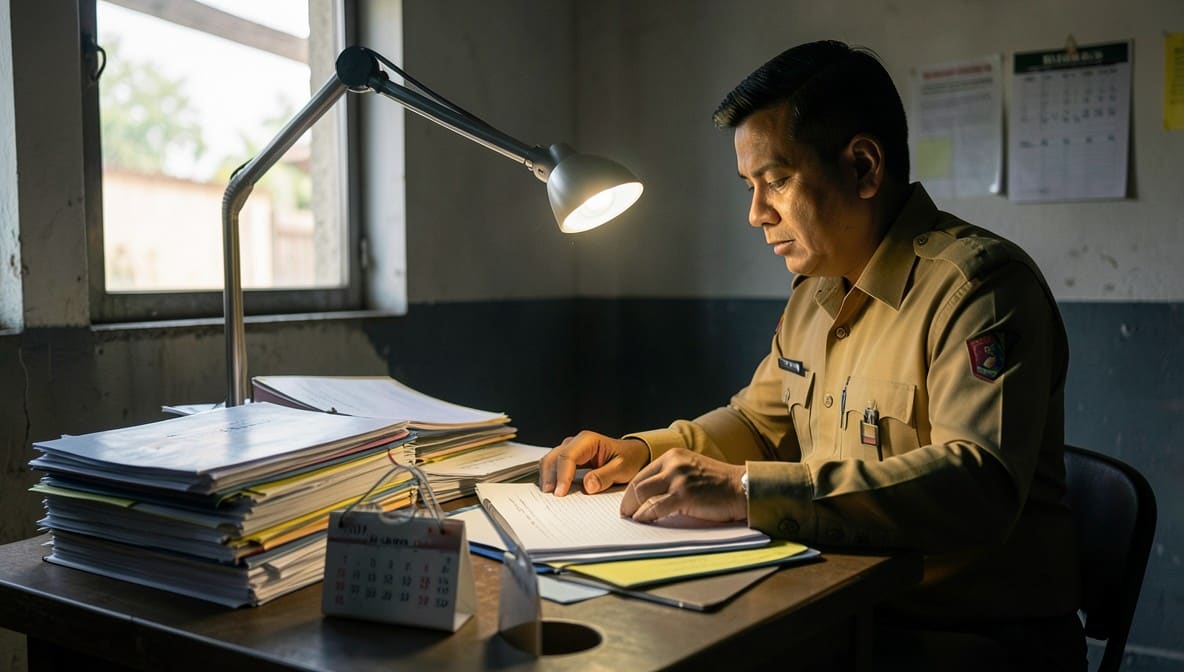
The petitioner, Mohammed Ghouse Khan, filed a complaint on 08.06.2021 with the Kamareddy Police Station alleging offences under Sections 420, 468, and 471 of the IPC against four accused persons and others. The complaint alleged fraudulent misrepresentation and forgery in a business transaction. The Investigating Officer, after conducting an investigation, submitted a final report on 30.03.2022 concluding that there was "lack of evidence" to proceed with prosecution.
Procedural History
- 08.06.2021: Complaint lodged before Kamareddy Police Station
- 30.03.2022: Final report filed by Investigating Officer under Section 173 BNSS
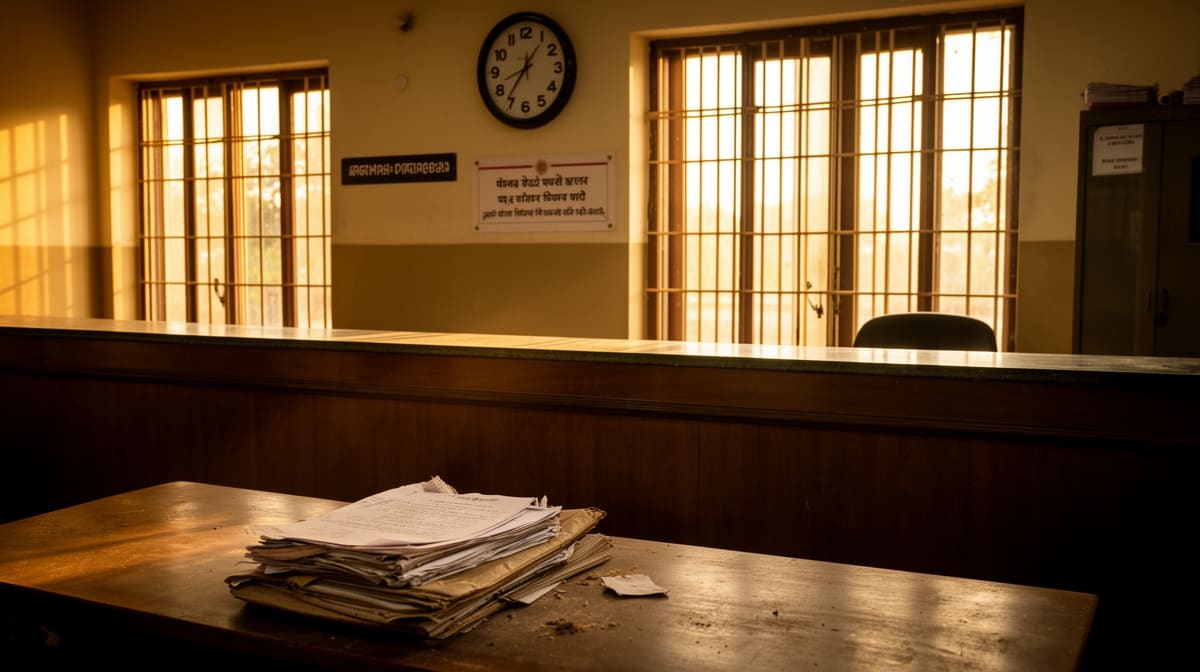
- March 2022 to February 2026: No action taken by the Judicial First Class Magistrate despite the final report being on record
- 10.02.2026: Criminal Petition filed under Section 528 BNSS seeking direction for disposal
Relief Sought
The petitioner sought a direction to the Magistrate to promptly decide on the final report, either to take cognizance or to discharge the accused, arguing that the prolonged inaction amounted to denial of justice and violated his rights under Article 21.
The Legal Issue
The central question was whether Section 528 of the Bharatiya Nagarik Suraksha Sanhita empowers the High Court to direct a Magistrate to dispose of a final report when there has been unjustified and prolonged inaction, and whether such delay violates the right to speedy justice under Article 21.
Arguments Presented
For the Petitioner
Counsel for the petitioner relied on State of Punjab v. Baldev Singh and Hussainara Khatoon v. Home Secretary, State of Bihar to argue that prolonged inaction by a Magistrate after receipt of a final report amounts to a denial of justice. He emphasized that Section 528 BNSS explicitly permits the High Court to issue directions in the interest of justice, and that the four-year delay was not only unreasonable but also prejudicial to the petitioner’s right to a fair and expeditious resolution.
For the Respondent
The Additional Public Prosecutor conceded that the delay was excessive but argued that the Magistrate had not formally rejected the final report and was still considering the matter. He contended that judicial discretion in scheduling matters cannot be curtailed by writ, and that no statutory mandate fixes a timeline for disposal of final reports.
The Court's Analysis
The Court rejected the notion that judicial discretion permits indefinite delay. It held that Article 21 guarantees not only the right to a fair trial but also the right to a timely one. The Court observed that the final report had been filed over four years ago, and the Magistrate had taken no step - neither to take cognizance nor to discharge the accused - despite the Investigating Officer having concluded the matter as lacking evidence.
"The right to speedy justice is not a mere procedural formality but a substantive component of personal liberty. When a final report is filed and no further investigation is warranted, the Magistrate’s duty to act is immediate and non-discretionary."
The Court distinguished State of U.P. v. Prakash where delay was due to complex evidence, noting that here, the investigation had concluded and no further inquiry was pending. The Court emphasized that Section 528 BNSS is a remedial provision designed precisely to address such stagnation in the criminal justice system. The failure to act, the Court held, is not passive inaction but an active denial of justice.
The Verdict
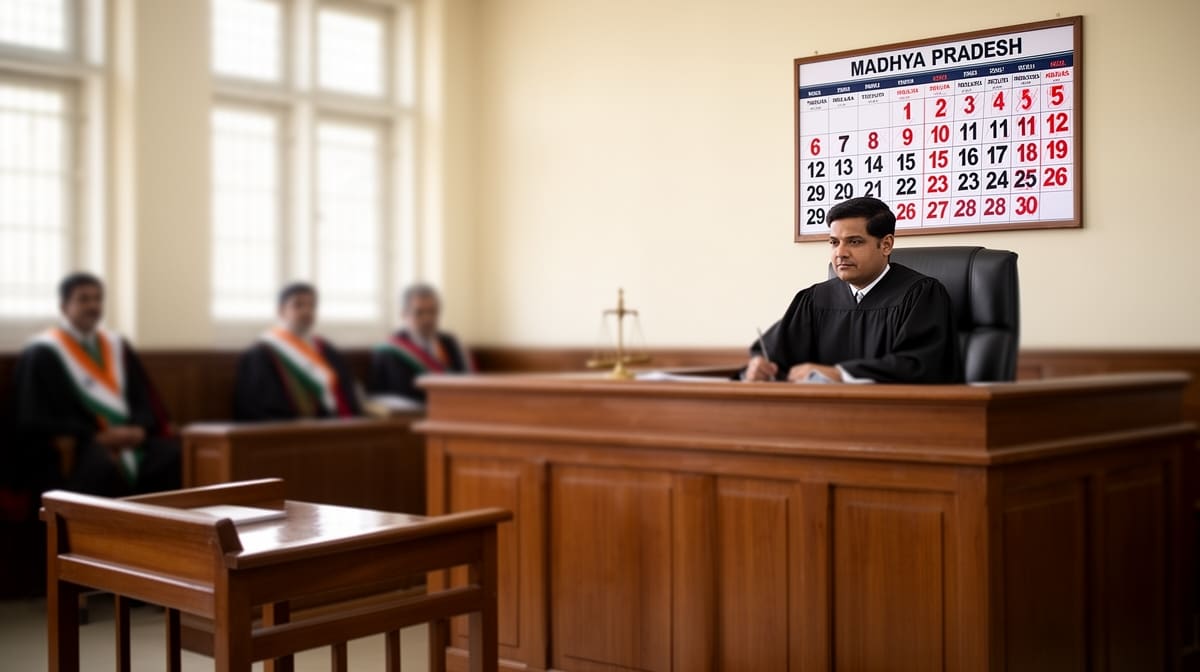
The petitioner succeeded. The High Court held that undue delay in disposing of a final report violates Article 21 and directed the Magistrate to take appropriate action on the final report within four months. The petition was disposed of with this direction.
What This Means For Similar Cases
Judicial Inaction Is Not Permissible
- Practitioners may now invoke Section 528 BNSS to seek High Court intervention when Magistrates fail to act on final reports beyond a reasonable time
- Four months is now a de facto benchmark for judicial disposal of final reports
- Delay beyond six months without justification may attract writ jurisdiction under Article 226
Final Reports Demand Prompt Disposition
- Once a final report is filed, the Magistrate must either take cognizance or discharge the accused
- No further investigation can be ordered unless new evidence emerges
- The burden shifts to the Magistrate to justify delay, not the complainant to chase the court
Section 528 BNSS Is a Powerful Remedial Tool
- This order revives the practical utility of Section 528 BNSS, previously underutilized
- It establishes that High Courts can and must intervene to prevent systemic delays
- Lawyers should routinely file such petitions where final reports remain pending beyond six months