The High Court of Chhattisgarh granted interim custody of a seized Tata Safari to its registered owner, holding that denial of custody solely on the ground of the offence’s seriousness and possible reuse is impermissible when the owner is not accused and there is no allegation against him. The judgment relies on Supreme Court precedents emphasizing expeditious and judicious exercise of custody powers under Section 497(1) of the Bharatiya Nagarik Suraksha Sanhita, 2023.
Background & Facts
The Dispute
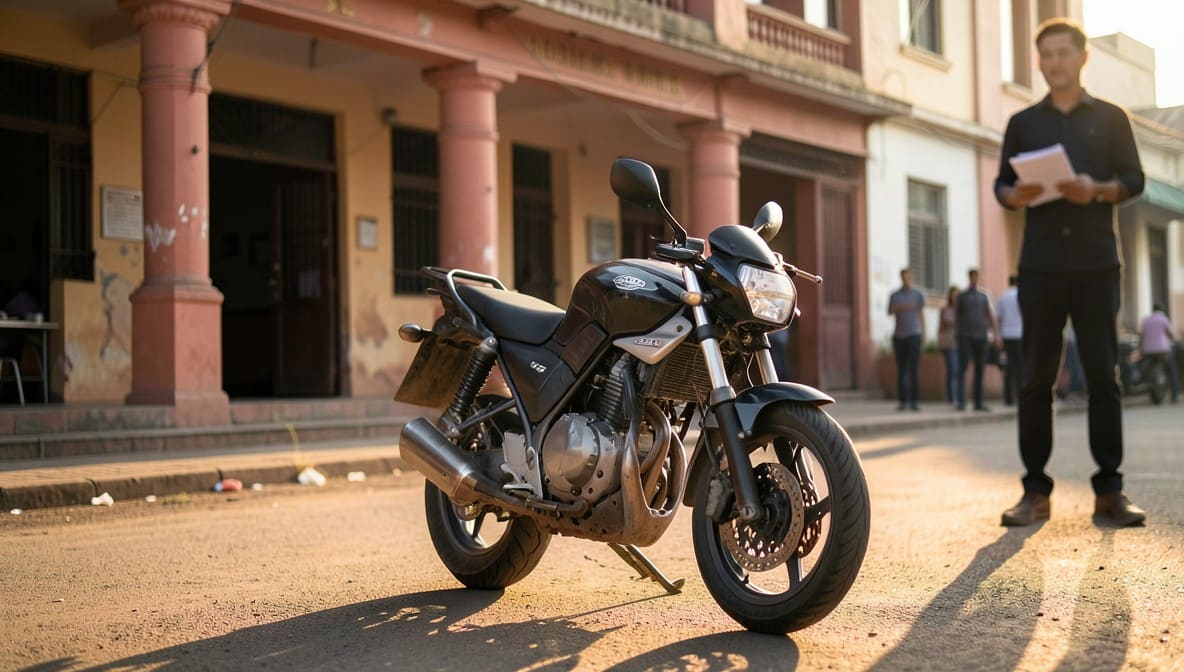
The petitioner, Amar Singh Kanwar, is the registered owner of a Tata Safari bearing registration number CG04-QC-0513. The vehicle was seized by the police in connection with Crime No.10/2026 registered at Police Station Purani Basti, Raipur, for alleged commission of offences under Sections 21(c) and 29 of the Narcotic Drugs and Psychotropic Substances Act, 1985. The petitioner contends that the vehicle was used by accused persons without his knowledge.
Key Facts
- The vehicle was seized in relation to Crime No.10/2026, which pertains to alleged illegal transportation of narcotic substances.
- The offence is alleged to have been committed under Sections 21(c) and 29 of the NDPS Act, 1985.
- The petitioner filed an application for interim custody of the vehicle before the Special Judge (NDPS), Raipur.
- The trial court rejected the application by order dated 20.02.2026, holding that release of the vehicle would pose a risk of its reuse in similar offences.
- The petitioner is not named as an accused in the charge-sheet and no allegation has been made against him or his agent.
- The vehicle has been lying in the open premises of the police station, exposed to sun and rain, leading to deterioration of its condition.
- In support of his claim, the petitioner annexed the registration certificate, insurance documents, and a special power of attorney in favour of Gayatri Kanwar.
Procedural History
- 20.02.2026: Order passed by the Special Judge (NDPS), Raipur in Special NDPS Case No.57/2026 rejecting the petitioner’s application for interim custody of the vehicle.
- 06.10.2026: Judgment delivered by the High Court of Chhattisgarh allowing the criminal revision petition (CRMP No.1992 of 2026) and directing release of the vehicle on interim custody.
Relief Sought
The petitioner sought interim custody of the vehicle Tata Safari bearing registration CG04-QC-0513, offering to furnish a personal bond of Rs.1,00,000 and one surety of the like amount, with the conditions that he shall not alienate the vehicle, shall produce it before the court as and when directed, shall ensure that it is not used in the commission of any offence, and shall facilitate preparation of a proper panchnama, photographic record, and noting of engine and chassis numbers.
The Legal Issue
The central question was whether, under Section 497(1) of the Bharatiya Nagarik Suraksha Sanhita, 2023 (corresponding to Section 451 of the CrPC), a trial court may deny interim custody of a seized vehicle merely because the offence is serious and there is a possibility of its reuse, when the owner is not accused and no allegation exists against him. The issue required the court to balance the statutory power to custody property pending trial against the principles expounded by the Supreme Court that such powers must be exercised expeditiously and judiciously, and that keeping seized vehicles idle at police stations serves no useful purpose.
Arguments Presented
For the Petitioner
Counsel for the petitioner submitted that the petitioner is the registered owner of the vehicle and that the vehicle was used by accused persons without his knowledge, as evidenced by the registration certificate, insurance, and power of attorney annexed to the petition. Reliance was placed on the judgment of the Hon’ble Supreme Court in Bishwajit Dey v. State of Assam (2025) 3 SCC 241, which held that in scenarios where no allegation is made against the owner or his agent, the vehicle should normally be released on interim custody subject to the owner furnishing a bond and undertaking to produce the vehicle as directed. Counsel further relied on Sunderbhai Ambalal Desai v. State of Gujarat (supra) to argue that the power under Section 451 CrPC (now Section 497(1) BNSS) must be exercised expeditiously and judiciously to prevent the owner from suffering due to the vehicle’s idle state and to avoid unnecessary police custody. It was contended that keeping the vehicle in the police station open yard serves no purpose and leads to its deterioration.
For the Respondent
Counsel for the respondent/State submitted that the vehicle was seized for carrying illegal narcotic drugs, an offence punishable under the NDPS Act, 1985, and that the trial court had rightly rejected the application for interim custody. It was argued that the gravity of the offence and the likelihood of the vehicle being reused in similar illegal transportation justified the trial court’s decision, and that no interference was warranted in the exercise of the trial court’s inherent jurisdiction.
The Court's Analysis
The Court began by noting that Section 497(1) of the BNSS empowers a criminal court to make an order for the proper custody of property produced during an inquiry or trial, and that the explanation to the section includes property in respect of which an offence appears to have been committed or which appears to have been used for the commission of any offence. The Court then referred to the observations of the Hon’ble Supreme Court in Sunderbhai Ambalal Desai (supra) and Bishwajit Dey (supra).
"In our view, whatever be the situation, it is of no use to keep such seized vehicles at the police stations for a long period. It is for the Magistrate to pass appropriate orders immediately by taking appropriate bond and guarantee as well as security for return of the said vehicles, if required at any point of time. This can be done pending hearing of applications for return of such vehicles."
The Court emphasized that the Supreme Court has consistently held that the power to order custody must be exercised expeditiously and judiciously, serving the purposes of preventing the owner from suffering due to the vehicle’s idle state, relieving the police of the burden of safe custody, enabling the preparation of panchnama for evidentiary use, and avoiding tampering with seized articles.
Applying these principles, the Court observed that the trial court’s reliance solely on the seriousness of the offence under the NDPS Act and the abstract possibility of the vehicle being reused in similar offences was insufficient to deny interim custody. The Court highlighted that the petitioner is not an accused in the crime, no allegation has been levelled against him or his agent, and the vehicle has been lying exposed to the elements, thereby deteriorating in value. The Court further noted that the petitioner had offered to furnish a personal bond of Rs.1,00,000 and a surety of like amount, and had undertaken to comply with conditions such as producing the vehicle before the court as directed, not alienating it, and ensuring its non-use in any offence.
The Court concluded that the trial court erred in law by denying interim custody without considering the absence of any allegation against the owner and the resultant lack of useful purpose in keeping the vehicle idle. Accordingly, the Court allowed the revision petition and directed the release of the vehicle on interim custody till the conclusion of the trial, subject to the petitioner furnishing a personal bond of Rs.1,00,000 and one surety of the like amount, and adhering to the conditions that he shall not alienate the vehicle, shall produce it before the court as and when directed, shall ensure that it is not used in the commission of any offence, and shall facilitate the preparation of a proper panchnama, photographic record, and noting of engine and chassis numbers.
The Verdict
The petitioner succeeded. The High Court of Chhattisgarh set aside the order dated 20.02.2026 passed by the Special Judge (NDPS), Raipur, and directed that the vehicle Tata Safari bearing registration number CG04-QC-0513 be released in favour of the petitioner on interim custody till the conclusion of the trial, on his furnishing a personal bond of Rs.1,00,000 and one surety of the like amount. The Court imposed the conditions that the petitioner shall not alienate the vehicle, shall produce it before the court as and when directed, shall ensure that it is not used in the commission of any offence, and shall facilitate preparation of a proper panchnama, photographic record, and noting of engine and chassis numbers.
What This Means For Similar Cases
Interim Custody Not Denied on Mere Gravity of Offence
The judgment clarifies that the seriousness of the offence under the NDPS Act, or any other statute, cannot by itself justify denial of interim custody under Section 497(1) BNSS when the owner is not accused and no allegation exists against him. Practitioners must now be prepared to demonstrate that the statutory power to custody property pending trial must be exercised in accordance with the Supreme Court’s emphasis on expeditious and judicious use, and that idle detention of seized vehicles serves no legitimate purpose.
Owner’s Innocence Shifts the Burden to the State
Where the vehicle’s owner is not named as an accused and no allegation is made against him or his agent, the burden shifts to the prosecution to show concrete reasons - such as a real risk of tampering or misuse - why interim custody should be denied. Mere apprehension of reuse, without specific evidence, is insufficient. This aligns with the principle laid down in Bishwajit Dey that in the first two scenarios (where allegations exist against the owner or his agent) the vehicle may be withheld, but in the third and fourth scenarios (no allegations) release should be the norm subject to bond and undertaking.
Prompt Release Prevents Deterioration of Seized Property
The Court’s direction to release the vehicle promptly, coupled with the requirement of a bond and surety, underscores that the custodial power under BNSS is not intended to preserve seized property indefinitely at police stations. Legal advisors should advise clients to seek immediate release on interim custody, offering appropriate security, to avoid loss of value due to environmental exposure and to enable the vehicle’s productive use during the pendency of trial.