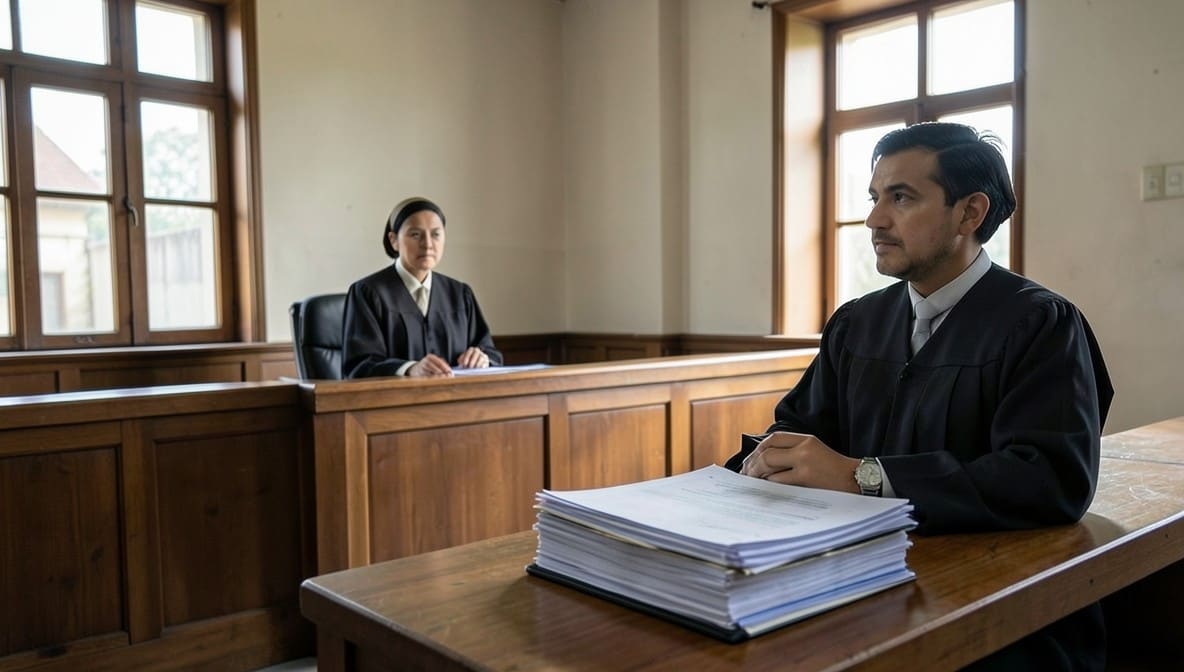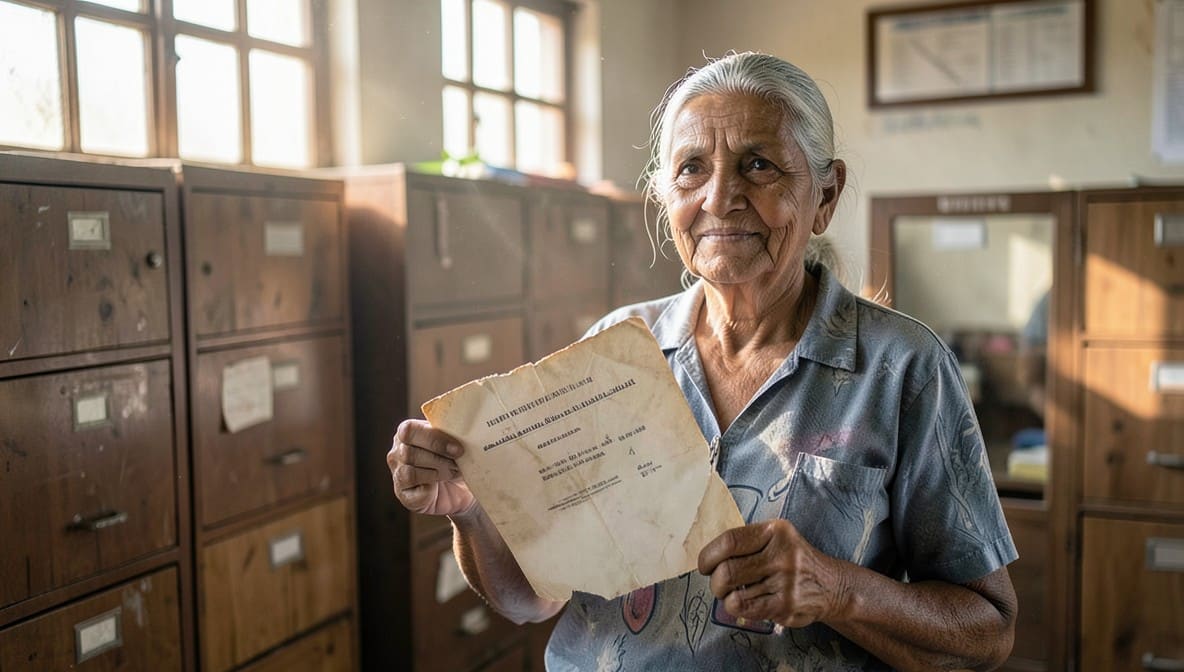
The Karnataka High Court has underscored the principle that delay and laches can bar labor disputes, even when raised before a competent forum. In a recent judgment, the Court set aside a Labor Court award that had entertained a dispute raised nearly three decades after the alleged cause of action, holding that such delay renders the dispute stale and amounts to waiver of rights under settled precedent.
Background & Facts
The Dispute
The respondent, Smt. M.G. Suvarna, was employed as a daily wage worker under the second petitioner, the Deputy Director of Amruth Mahal Breeds Development Center, Ajjampura. On 27.09.1988, she was served a notice for unauthorized absence. Despite this, she did not raise any dispute until 2015, when she filed a reference before the Labor Court, Chikkamagaluru.
Key Facts
- The respondent was engaged as a daily wage employee under the second petitioner
- A notice for unauthorized absence was issued on 27.09.1988
- No dispute was raised by the respondent until 2015
- The Labor Court, in I.D. No. 05/2015, passed an award in favor of the respondent on 12.09.2018
- The petitioners challenged the award before the High Court on grounds of delay and laches
Procedural History
- 27.09.1988: Notice issued to the respondent for unauthorized absence
- 2015: Respondent raised a dispute before the Labor Court (I.D. No. 05/2015)
- 12.09.2018: Labor Court allowed the reference and passed an award in favor of the respondent
- 2022: Writ Petition (WP No. 4362 of 2022) filed before the Karnataka High Court
- 07.07.2026: High Court allowed the writ petition and quashed the Labor Court award
The Parties' Positions
For the Petitioners
The Additional Government Advocate, representing the petitioners, contended that the inordinate delay of 27 years in raising the dispute rendered it stale and barred by laches. Relying on the Supreme Court's decision in Prabhakar vs. Joint Director, Sericulture Department and Another, (2015) 15 SCC 1, the petitioners argued that the respondent had waived her right to agitate the matter by failing to raise a dispute for nearly three decades. The petitioners expressly stated that they were not urging any contentions on the merits of the case and sought a finding solely on the issue of delay and laches.
For the Respondent
Counsel for the respondent urged additional grounds and prayed for the dismissal of the writ petition. However, the judgment does not elaborate on the specific arguments advanced by the respondent.
Relief Sought
The petitioners sought the quashing of the Labor Court's award dated 12.09.2018 on the grounds that the dispute was barred by delay and laches.
The Legal Issue
The central question before the Court was whether a Labor Court can entertain a dispute raised after an inordinate delay of 27 years, where the delay remains unexplained and the dispute has become stale.
Arguments Presented
For the Petitioners
The petitioners relied on the Supreme Court's decision in Prabhakar vs. Joint Director, Sericulture Department and Another, (2015) 15 SCC 1, to argue that:
- Delay and laches bar the entertainment of a dispute when the workman fails to agitate the matter for an extended period
- The failure to explain the delay must lead to a presumption of waiver of rights
- A dispute raised after such a delay becomes stale and ceases to be an existing dispute
For the Respondent
The respondent's counsel prayed for the dismissal of the writ petition but did not advance specific arguments on the issue of delay and laches.
The Court's Analysis
The High Court, after hearing the arguments and perusing the records, held that the Labor Court had erred in entertaining the dispute raised by the respondent. The Court observed:
"Suffice it to note that the respondent was served with a notice for unauthorized absence in 1988. Strangely, she raised a dispute only in 2015. There is thus an inordinate delay of almost two and a half decades. The Labor Court erroneously entertained the claim of the workman."
The Court relied on the principles laid down in Prabhakar, where the Supreme Court held that:
- When a workman fails to agitate a dispute against an order of punishment and raises it belatedly, the delay must be presumed to constitute waiver of rights
- A dispute raised after an unexplained delay becomes stale and ceases to be an existing dispute
The High Court noted that the Labor Court overlooked the aspect of delay and laches and failed to consider that the dispute had become stale by the time it was adjudicated. The Court held:
"In my considered view, the Labor Court could not have entertained the reference. The reason is apparent. The Hon’ble Apex Court in Prabhakar (supra) has held that when there is no agitation by the workman against the order of punishment and the dispute is raised belatedly, with the delay and laches remaining unexplained, it must be presumed that she has waived her right. It is further observed that at the time when the dispute is raised belatedly, it becomes stale and ceases to be an existing dispute."
The Court concluded that the Labor Court failed to have regard to relevant considerations and disregarded material aspects, particularly the delay and laches on the part of the respondent. Since the reference was rejected on these grounds, the Court did not delve into the merits of the case, as requested by the Additional Government Advocate.
The Verdict
The Karnataka High Court allowed the writ petition and quashed the award dated 12.09.2018 passed by the Labor Court, Chikkamagaluru, in I.D. No. 05/2015. The Court issued a Writ of Certiorari and set aside the impugned award. Any interim orders granted in the matter were discharged, and pending interlocutory applications, if any, were disposed of.
What This Means For Similar Cases
Delay and Laches Can Bar Labor Disputes
This judgment reinforces the principle that delay and laches can act as a complete bar to labor disputes, even when raised before a competent forum. Practitioners must note:
- Unexplained delay in raising a dispute can lead to a presumption of waiver of rights
- A dispute raised after an inordinate delay may be deemed stale and cease to be an existing dispute
- Labor Courts and tribunals cannot entertain stale disputes, and such awards are liable to be set aside
The Burden of Explaining Delay Lies on the Workman
- The workman must provide a satisfactory explanation for the delay in raising the dispute
- Failure to explain the delay shifts the burden and may result in the dismissal of the claim
- This principle applies even in cases where the underlying grievance is legitimate
Merits Become Irrelevant When Delay Is Fatal
- When a dispute is barred by delay and laches, courts need not examine the merits of the case
- This saves judicial time and resources and prevents the adjudication of stale claims
- Practitioners should prioritize timeliness when advising clients on labor disputes to avoid such outcomes