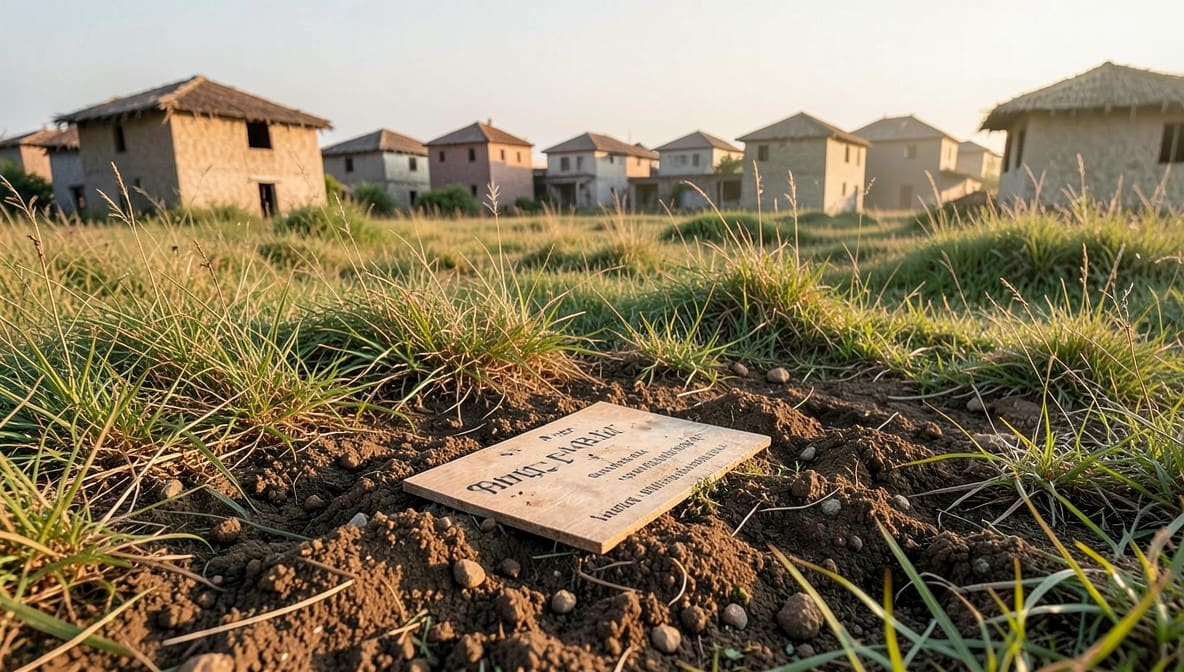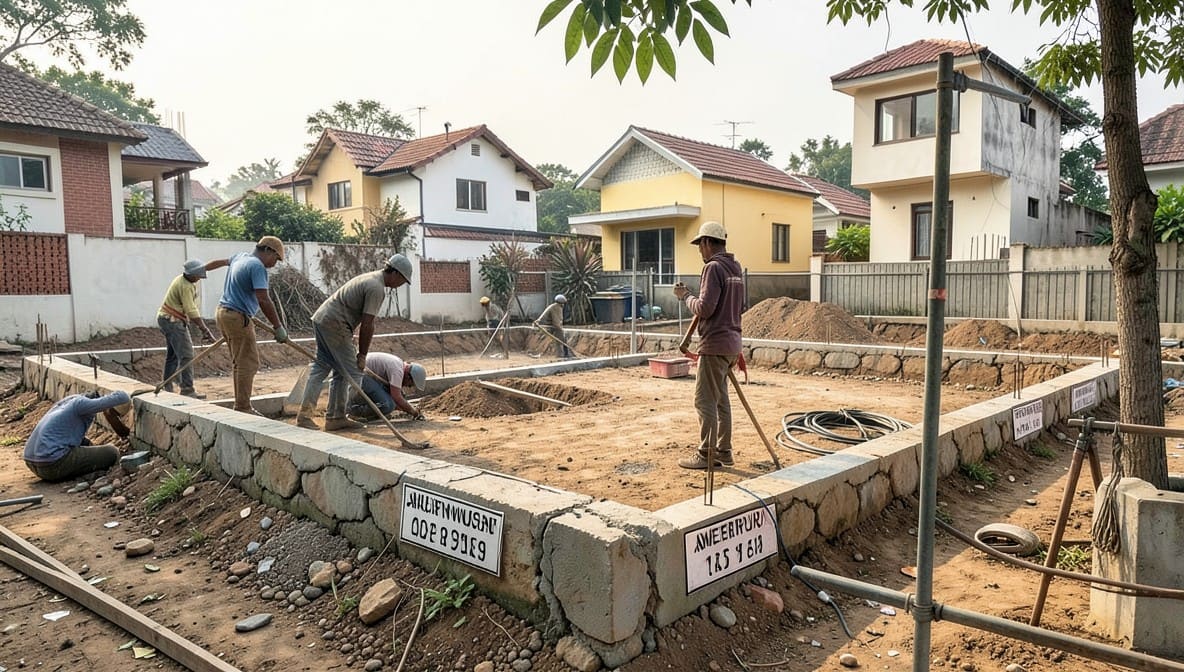
The Andhra Pradesh High Court has clarified the legal status of land assigned under D-Form Patta, affirming that while such land is heritable, it remains non-transferable. The judgment underscores that development activities on assigned land require prior municipal permission, balancing the rights of possessors against regulatory compliance.
Background & Facts
The Dispute
The petitioner, Shiram Pentamma, inherited agricultural land measuring 0.70 acres in Survey No. 336/P, Maduravada Village, Pedda Rushikonda, Visakhapatnam District. The land was originally assigned to her father under D-Form Patta No. 420/71, which stipulated that the land was heritable but not transferable. The petitioner, being in possession of the land for decades, sought to construct a dwelling unit on the property. However, the respondents - including the State of Andhra Pradesh, the Visakhapatnam Urban Development Authority (VUDA), and the Greater Visakhapatnam Municipal Corporation (GVMC) - attempted to dispossess her, alleging unauthorized development.
Key Facts
- The petitioner’s father was granted D-Form Patta No. 420/71 for the land in 1971, with the condition that it was heritable but not transferable.
- The petitioner inherited the land and has been in possession and enjoyment of it for over 50 years.
- The surrounding area has undergone significant development, transforming from agricultural to residential/commercial use.
- The petitioner intended to construct a dwelling unit on the land but did not obtain prior permission from the municipal authorities.
- The respondents initiated action to dispossess the petitioner, prompting the filing of this writ petition.
Procedural History
- Writ Petition No. 17873/2026 was filed under Article 226 of the Constitution of India, seeking a Writ of Mandamus to restrain the respondents from dispossessing the petitioner.
- IA No. 1 of 2026 was filed under Section 151 of the Code of Civil Procedure (CPC), seeking interim protection against dispossession pending the main petition.
- The matter was heard on 03.07.2026, with the court disposing of the petition with observations.
Relief Sought
The petitioner sought:
- A declaration that the respondents’ attempt to dispossess her from the land was illegal and arbitrary.
- A direction restraining the respondents from interfering with her possession and enjoyment of the land.
- Permission to construct a dwelling unit, subject to regulatory compliance.
The Legal Issue
The central question was whether the respondents could dispossess the petitioner from land assigned under D-Form Patta, which was heritable but not transferable, without following due process of law. Additionally, the court had to determine whether the petitioner could undertake development activities on the land without prior municipal permission.
Arguments Presented
For the Petitioner
- The petitioner contended that she had inherited the land from her father and had been in uninterrupted possession for over five decades.
- The D-Form Patta explicitly permitted heritability, and there was no allegation of transfer of title to a third party.
- The respondents’ attempt to dispossess her was arbitrary and without legal basis, as no notice or opportunity of hearing was provided.
- The surrounding area had developed into a residential/commercial zone, making agricultural use impractical, and the petitioner sought to construct a dwelling unit for personal use.
For the Respondents
- The 2nd respondent (VUDA) argued that the land was assigned exclusively for agricultural purposes, and no other activity, including construction, was permissible without prior approval.
- The 3rd respondent (GVMC) submitted that the petitioner had not obtained necessary permissions for construction, rendering any developmental activity illegal.
- Both respondents contended that the petitioner’s failure to comply with regulatory requirements justified dispossession.
The Court's Analysis
The court examined the D-Form Patta and its conditions, noting that while the land was heritable, it remained non-transferable. The petitioner’s possession, derived from inheritance, was not in dispute, and the court emphasized that dispossession could not be arbitrary but must follow due process of law.
The court observed:
"The petitioner’s possession and enjoyment of the property by virtue of inheritance from his father is evident from the D-Form Patta certificate. It is also not in dispute that the patta was granted about 55 years ago and that, over a period of time, the nature of the surrounding area has undergone considerable development. The possession and enjoyment of the petitioner shall not be disturbed by the respondents except in accordance with law."
However, the court clarified that developmental activities, such as construction, required prior permission from the municipal authorities. The petitioner’s failure to obtain such permission was noted, but the court refrained from dispossessing her, instead directing her to apply for the necessary approvals.
The Verdict
The court disposed of the writ petition with the following directions:
- The respondents were restrained from dispossessing the petitioner from the land except in accordance with law.
- The petitioner was directed to submit an application before the 3rd respondent (GVMC) seeking permission for construction.
- The petition was disposed of with no order as to costs.
- All pending miscellaneous petitions were closed.
What This Means For Similar Cases
Possession Rights Under D-Form Patta
- Heritability is protected: Land assigned under D-Form Patta is heritable, and legal heirs cannot be dispossessed without due process.
- Non-transferability remains absolute: While the land can be inherited, transfer of title to a third party is prohibited, and any such transfer would be void.
Development Requires Regulatory Compliance
- Prior permission is mandatory: Possessors of assigned land seeking to undertake developmental activities (e.g., construction) must obtain municipal approval before proceeding.
- Arbitrary dispossession is illegal: Authorities cannot dispossess possessors without notice, hearing, or legal process, even if regulatory violations are alleged.
Balancing Possession and Regulation
- Long-term possession is a factor: Courts are likely to protect possession where the possessor has enjoyed the land for decades, even if regulatory violations exist.
- Remedy lies in compliance: Instead of dispossession, authorities may direct possessors to regularize their status by obtaining necessary permissions.