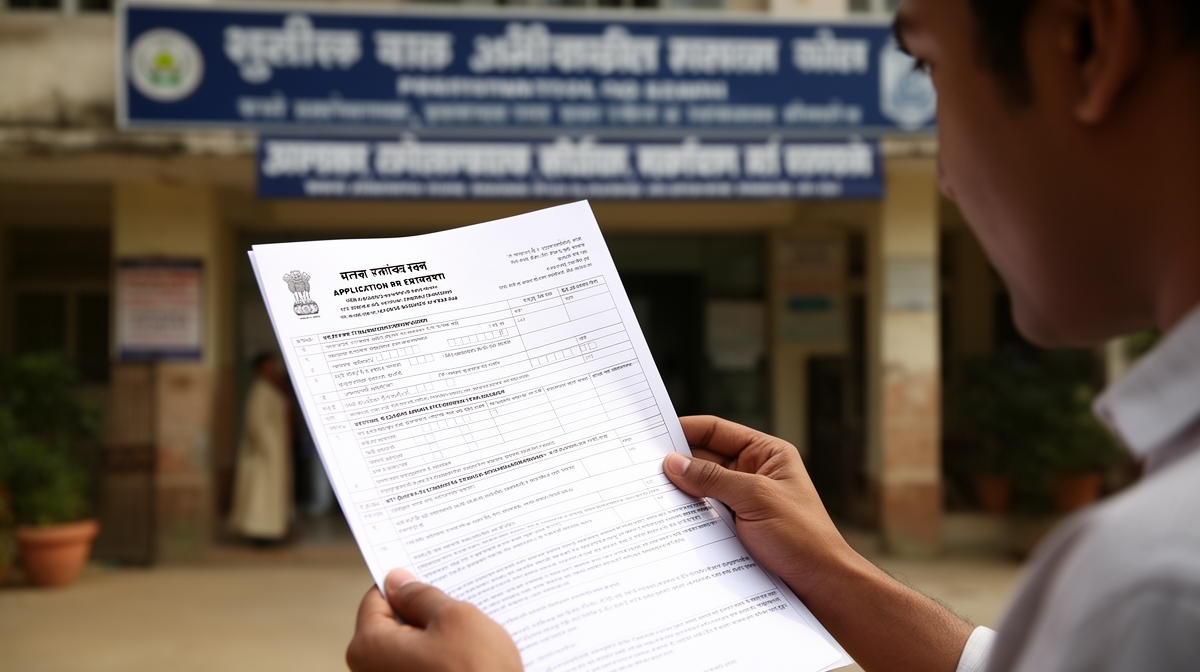

The Madras High Court has reinforced the obligation of banks to fully comply with judicial directions regarding the withdrawal of hard enquiries from credit reports. This judgment underscores the importance of accurate credit information in loan processing and the legal consequences of non-compliance with court orders, particularly in cases involving educational loans and financial hardship.
Background & Facts
The Dispute
The case originated from a writ petition filed by Jeevanesh and B. Kanchana, who sought the removal of multiple hard enquiries made by the State Bank of India (SBI) from their credit reports maintained by TransUnion CIBIL Limited. These enquiries adversely affected their CIBIL scores, jeopardizing their eligibility for an educational loan. The petitioners argued that the enquiries were either unauthorized or no longer relevant, and their continued presence violated their right to fair credit assessment.
Procedural History
The matter progressed through the following stages:
2025: Writ petition (W.P. No. 27774 of 2025) filed before the Madras High Court seeking removal of hard enquiries.
6 August 2025: The Court directed SBI to issue a communication to CIBIL for withdrawing the hard enquiries.
29 December 2025: SBI issued a letter to CIBIL requesting withdrawal of certain enquiries, but omitted three critical entries.
12 January 2026: The Court noted non-compliance and directed SBI to withdraw all pending enquiries.
27 January 2026: The review application was disposed of after CIBIL confirmed the removal of all disputed enquiries and SBI agreed to disburse the loan.
Relief Sought
The petitioners sought:
A direction to SBI to withdraw all hard enquiries made on their credit reports.
An order to CIBIL to remove the disputed entries from their records.
Expedited disbursal of the educational loan to meet the tuition fee deadline.
The Legal Issue
The central question before the Court was whether a bank’s failure to fully comply with a judicial direction to withdraw hard enquiries from a credit report constitutes contempt of court, and whether such non-compliance can be rectified through a review application under Order XLVII Rule 1 of the Code of Civil Procedure (CPC).
Arguments Presented
For the Petitioner (CIBIL)
CIBIL contended that:
It acted strictly in accordance with the bank’s instructions and could not unilaterally remove entries without explicit authorization.
The enquiry dated 19.10.2024 was not withdrawn because it was made by Canara Bank, not SBI, and thus fell outside the scope of the Court’s order.
For the enquiries dated 06.06.2025, 01.09.2025, and 04.09.2025, CIBIL required a fresh communication from SBI, as the initial letter omitted these entries.
For the Respondent (SBI)
SBI’s counsel argued that:
The bank had complied with the Court’s direction by issuing a withdrawal letter to CIBIL.
The omission of certain enquiries in the letter was inadvertent and not intentional.
Once CIBIL removed the entries, the petitioners’ CIBIL score improved, and the loan would be disbursed without further delay.
The Court's Analysis
The Court’s analysis focused on three key aspects: judicial compliance, the role of credit information companies, and the right to fair credit assessment.
Judicial Compliance and Contempt:The Court emphasized that court orders must be obeyed in letter and spirit. While it did not initiate contempt proceedings, it noted that SBI’s failure to withdraw all enquiries in its initial communication was a breach of the Court’s direction. The Court observed:
"The respondent Bank cannot take shelter under the pretext that the omission was inadvertent. When a judicial order is passed, it is incumbent upon the parties to ensure full compliance."
Role of Credit Information Companies:The Court clarified that CIBIL’s role is ministerial - it can only act upon instructions from the concerned bank. However, CIBIL was directed to verify the authenticity of withdrawal requests to prevent errors, such as the inclusion of an enquiry made by a different bank.
Right to Fair Credit Assessment:The Court recognized that hard enquiries on a credit report can significantly impact loan eligibility, particularly for educational loans where time is of the essence. It held that banks must exercise due diligence in ensuring their credit enquiries are accurate and withdrawn when no longer relevant.
The Verdict
The review application was disposed of with the following directions:
SBI was directed to withdraw all hard enquiries made on the petitioners’ credit reports, including those omitted in the initial communication.
CIBIL was ordered to remove the disputed entries upon receipt of SBI’s instructions.
SBI was directed to disburse the educational loan to the petitioners to enable them to pay their tuition fees by the deadline.
What This Means For Similar Cases
Banks Must Ensure Full Compliance with Court Orders
No partial compliance: Banks cannot selectively withdraw hard enquiries while omitting others. Courts will scrutinize compliance to ensure all disputed entries are addressed.
Due diligence in communication: Banks must verify the accuracy of withdrawal requests to avoid errors, such as including enquiries made by other institutions.
Credit Information Companies Must Act Promptly
Ministerial role: CIBIL and other credit bureaus must act on bank instructions without delay, but they are also expected to flag discrepancies (e.g., enquiries from unrelated banks).
Transparency in reporting: Credit reports must reflect accurate and up-to-date information to prevent unfair denial of loans.
Loan Applicants Can Seek Judicial Intervention
Expedited relief: Applicants facing loan rejections due to erroneous credit reports can approach courts for urgent relief, particularly in cases involving time-sensitive needs like educational loans.
Burden on banks: Banks must justify the necessity of hard enquiries and ensure their timely withdrawal to avoid legal consequences.