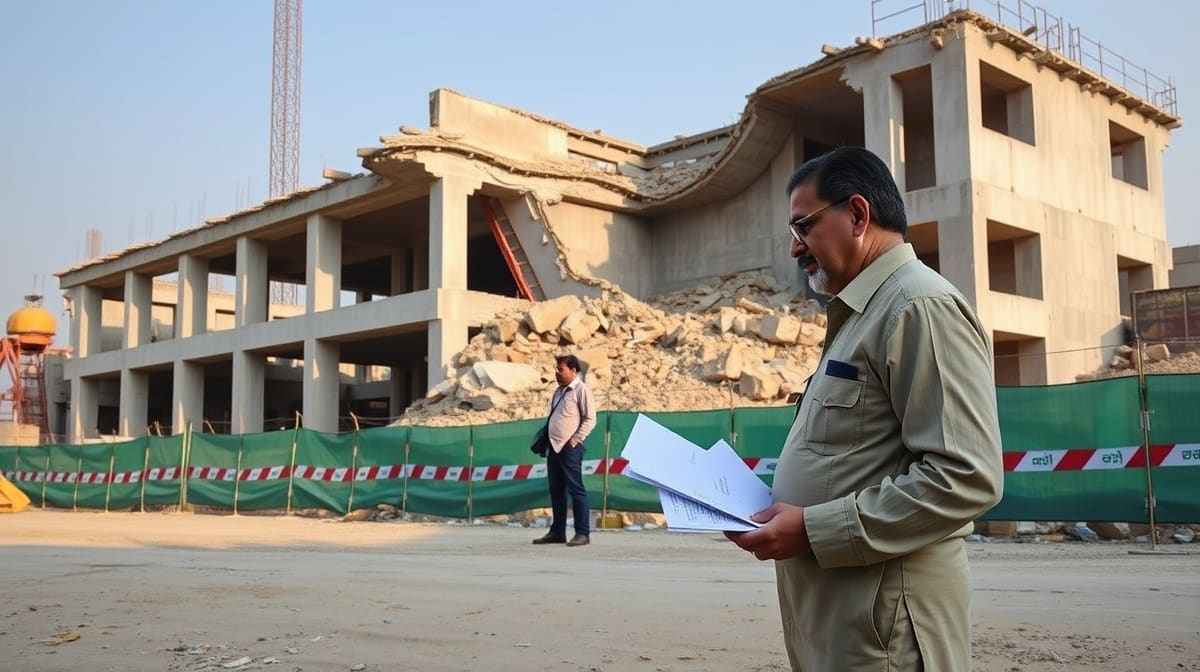
The Jharkhand High Court has held that a contractual jurisdiction clause designating Kolkata courts cannot oust the writ jurisdiction of the High Court under Article 226 of the Constitution, and that debarring a contractor as a 'Poor Performer' and placing it on a 'Negative List' for two years requires a specific show-cause notice disclosing the precise grounds and proposed penalty, not merely warnings about contract determination. The Division Bench quashed the debarment order dated 22.04.2026 while leaving the 'Poor Performer' declaration undisturbed, directing that any fresh debarment must follow due process.
Background & Facts
The Dispute
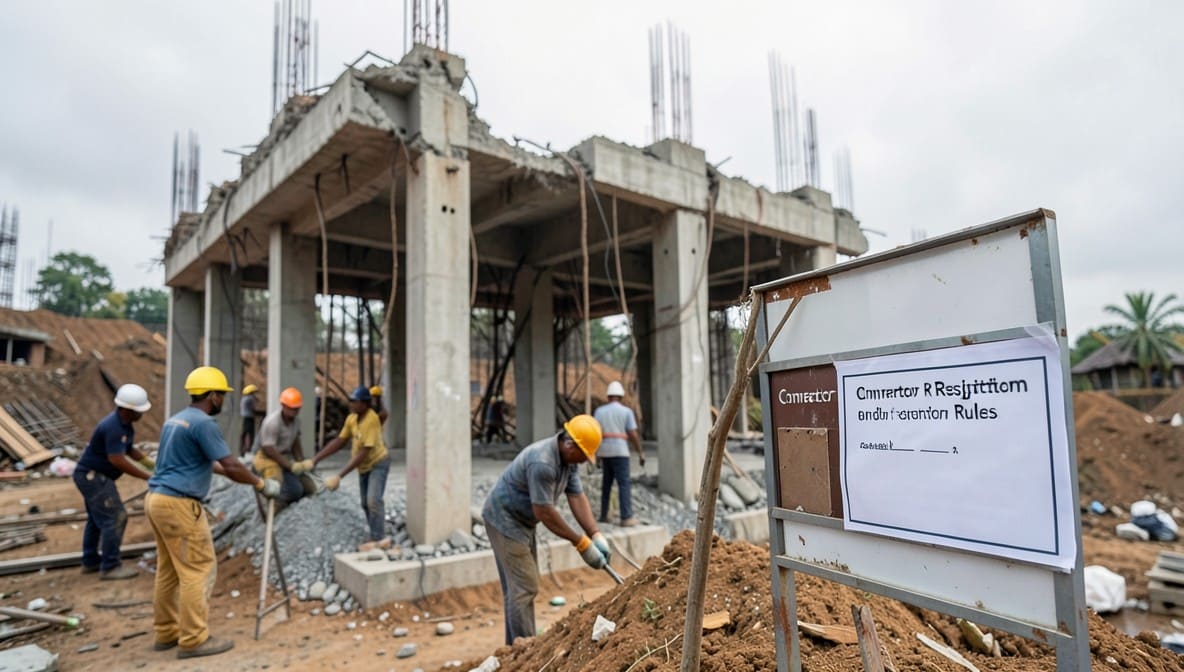
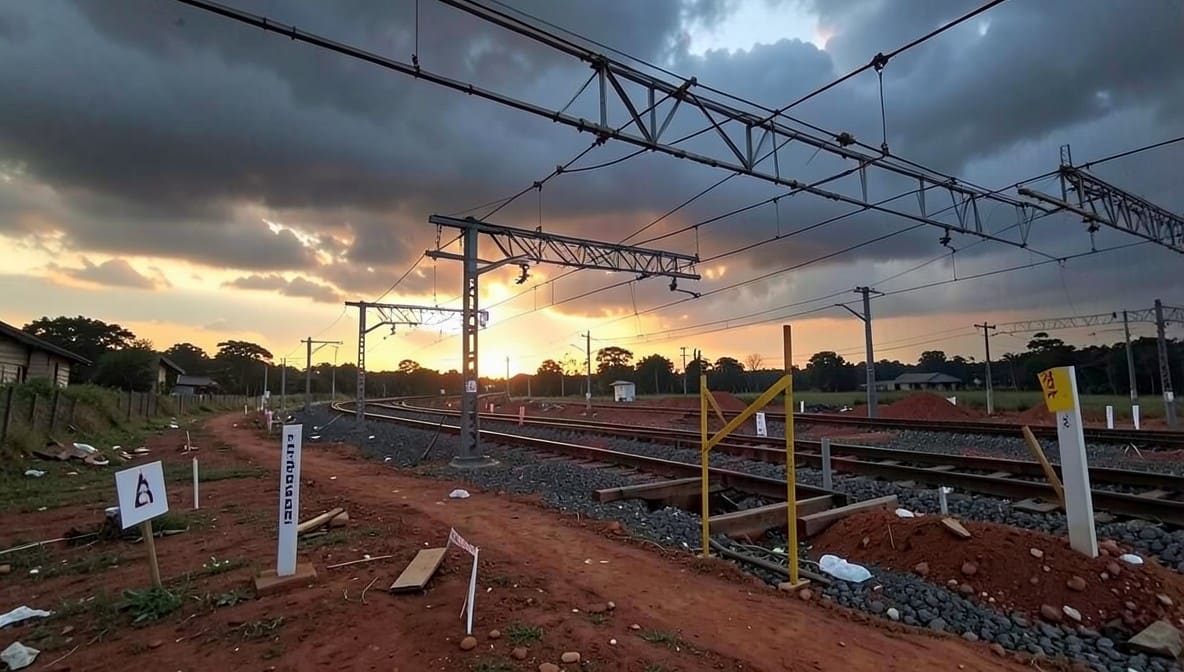
The petitioner, M/s SK Electricals, a proprietorship firm based in Daltonganj, Palamu, Jharkhand, participated in an e-tender floated by RITES Ltd. (respondent no. 1), a Government of India enterprise acting as agent for Neyveli Uttar Pradesh Power Limited (NUPPL, respondent no. 3). The tender, dated 31.10.2023, was for "Design, Drawing, Supply, Erection, Testing & Commissioning of 25 KV OHE system with SSP, Yard Illuminations & Electrification of Different Buildings for Construction of new Railway Siding at NUPPL Dumka Siding under Eastern Railway, Howrah Division for Pachwara South Coal Block."
Key Facts
- 31.10.2023: E-tender no. 09/OT/RITES/ERPO/PU-KOL/NUPPL-Kurwa/OHE-General Electrical/2023 floated by RITES Ltd.
- 24.01.2024: Letter of Acceptance issued to petitioner awarding work at total contract price of Rs 6,40,10,551/- excluding GST
- 29.04.2024: Agreement No. RITES/PU-KOL/NUPPL-OHE/RT760-00168/2024/637 executed between petitioner and respondent no. 1
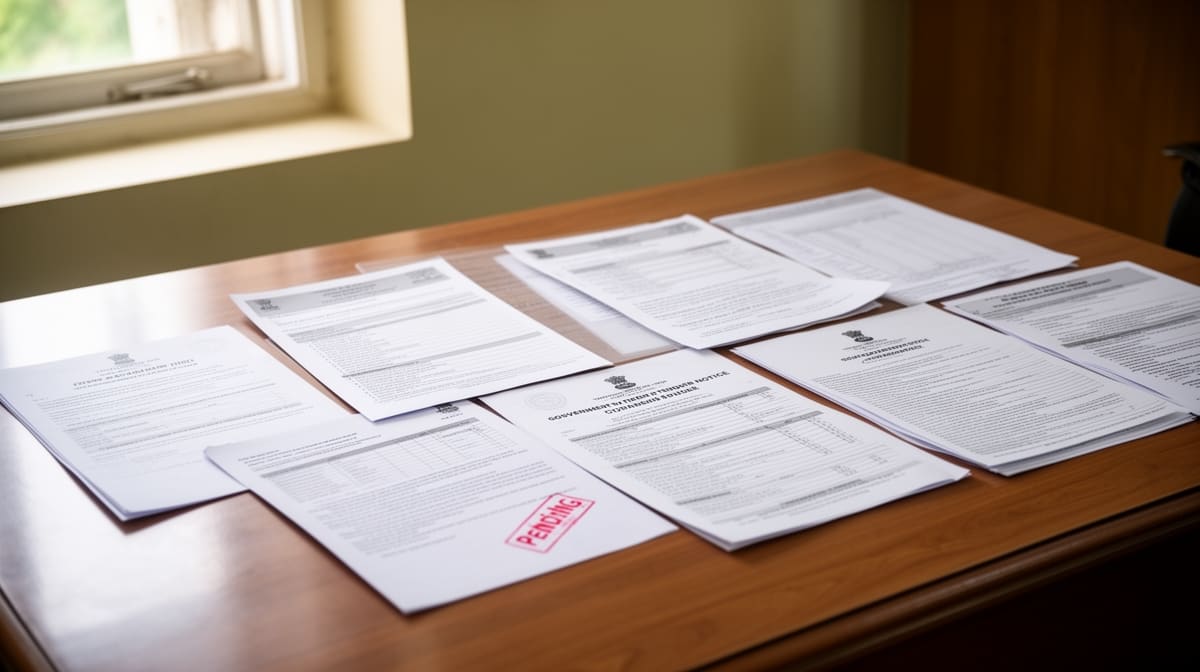
- 16.02.2026: Letter no. RITES/PU-KOL/OHE/NUPPL/2026/293 issued by respondent no. 2 under Clause 3(iii) GCC directing petitioner to accelerate work within seven days, warning of contract determination, forfeiture of performance guarantee and security deposit, and declaration as 'poor performer' under Clause 3(a)(i)
- 25.02.2026: Letter no. RITES/PU-KOL/OHE/NUPPL/2026/378 issued with similar warning; petitioner replied denying allegations
- 16.03.2026: Contract terminated alleging no concrete planning for copper material procurement, lack of commitment for timely completion, and refusal to undertake additional 11 KV power supply work; performance guarantee of Rs 32,00,528/- and security deposit of Rs 13,50,491.66/- forfeited
- 22.04.2026: Letter no. RITES/PU-KOL/OHE/NUPPL/2026/718 declared petitioner as 'Poor Performer', placed it in 'Negative List of Contractors', and debarred it from participating in RITES tenders for two years (22.04.2026 to 21.04.2028)
- Contract contained Clause 46.17 specifying "city of Jurisdiction of Court" as Kolkata
- Clause 3(b) GCC provided deemed declaration as 'Poor Performer' upon contract determination under Clause 3(a), with debarment up to two years per Clause 52.7
- Clause 52.7 GCC required Engineer-in-Chief to give seven days' written notice before declaring contractor as 'poor performer' on specified grounds
Procedural History
- 2026: Writ Petition (Civil) No. 2527 of 2026 filed before Jharkhand High Court at Ranchi challenging order dated 22.04.2026
- 31.08.2026: Matter reserved for judgment
- 07.09.2026: Judgment pronounced by Division Bench (Chief Justice M.S. Sonak and Justice Rajesh Shankar)
The Parties' Positions
Petitioner: Contended that (i) jurisdiction clause cannot oust Article 226 writ jurisdiction; (ii) notices dated 16.02.2026 and 25.02.2026 were under Clause 3(iii) for contract determination, not show-cause notices for blacklisting under Clause 3(b)/52.7; (iii) debarment was automatic consequence of termination without independent application of mind; (iv) blacklisting requires fair hearing per Erusian Equipment, UMC Technologies, Techno Prints, and A.K.G Construction; (v) hindrances at site were attributable to respondents.
Respondents: Contended that (i) writ petition not maintainable due to exclusive jurisdiction clause designating Kolkata; (ii) Swastik Gases and Indus Mobile support ouster of jurisdiction; (iii) multiple notices provided reasonable opportunity; (iv) debarment based on objective material of repeated failures to procure copper materials despite assurances; (v) not automatic but after consideration of conduct.
Relief Sought
Quashing of order dated 22.04.2026 to the extent it placed petitioner in 'Negative List of Contractors' and debarred it for two years; declaration that Clause 3(b) GCC is violative of natural justice; liberty to challenge 'Poor Performer' declaration separately.
The Legal Issue
The central questions were: (1) Whether a contractual jurisdiction clause specifying Kolkata courts can oust the writ jurisdiction of the Jharkhand High Court under Article 226 of the Constitution; (2) Whether declaration as 'Poor Performer' and debarment for two years under Clauses 3(b) and 52.7 GCC without a specific show-cause notice disclosing grounds and proposed penalty violates principles of natural justice; (3) Whether debarment can be an automatic consequence of contract termination.
Arguments Presented
For the Petitioner
Mr. Indrajit Sinha relied on Erusian Equipment & Chemicals Ltd. v. State of W.B. (1975) 1 SCC 70 establishing blacklisting as "civil death" requiring fair hearing; UMC Technologies (P) Ltd. v. Food Corpn. of India (2021) 2 SCC 551 requiring valid, particularised, unambiguous show-cause notice for blacklisting; Techno Prints v. Chhattisgarh Textbook Corporation 2025 SCC OnLine SC 343 holding debarment cannot be automatic on contract termination and requires deviant conduct; A.K.G Construction and Developers Pvt. Ltd. v. State of Jharkhand 2026 SCC OnLine SC 520 holding termination and blacklisting operate in distinct dimensions (past/subsisting vs future) requiring independent decision and specific notice for blacklisting; Maharashtra Chess Association v. Union of India (2020) 13 SCC 285 holding contractual exclusion clause cannot ipso facto exclude writ jurisdiction; Godrej Projects Development Ltd. v. Anil Karlekar (2025) 4 SCC 259 on inequality of bargaining power in standard form contracts.
For the Respondents
Mr. Srijit Choudhary relied on M/s Swastik Gases (P) Ltd. v. Indian Oil Corpn. Ltd. (2013) 9 SCC 32 and Indus Mobile Distribution (P) Ltd. v. Datawind Innovations (P) Ltd. (2017) 7 SCC 678 for proposition that exclusive jurisdiction clauses oust other courts; contended notices provided reasonable opportunity; debarment based on objective material of repeated failures, not automatic; Supreme Court judgments relied by petitioner distinguishable as those involved automatic blacklisting without independent consideration.
The Court's Analysis
On Maintainability: Jurisdiction Clause Cannot Oust Article 226
The Court distinguished Swastik Gases and Indus Mobile as concerning arbitration seat jurisdiction under the Arbitration Act, not ouster of constitutional writ jurisdiction. Following Maharashtra Chess Association, the Court held:
"The parties to a contract can agree to submit their disputes to only one amongst several courts having jurisdiction so as to exclude of all other courts, however, the contractual exclusion clause cannot ipso facto exclude jurisdiction of a writ court. The writ jurisdiction of the High Court is fundamentally discretionary and even the existence of an alternate adequate remedy is merely an additional factor to be taken into consideration by the High Court in deciding whether or not to exercise its writ jurisdiction."
The Court further held that the work site at Dumka, Jharkhand, and the cause of action for debarment arose within its territorial jurisdiction. Citing Techno Prints, the Court observed that once a blacklisting order is passed, the contractor has no efficacious remedy except Article 226. Additionally, relying on Godrej Projects, the Court found the jurisdiction clause in a standard form contract with unequal bargaining power unenforceable, as the petitioner had no meaningful choice to negotiate.
On Debarment: Specific Show-Cause Notice Mandatory
Examining Clauses 3(b) and 52.7 GCC, the Court noted that Clause 52.7 requires a seven-day written notice before declaring a contractor as 'poor performer' on specific grounds (abandonment, delay >25%, frivolous claims, extra-contractual demands, financial failures). The letters dated 16.02.2026 and 25.02.2026 were issued under Clause 3(iii) for contract determination, warning of 'poor performer' declaration under Clause 3(a)(i), but did not mention placement in 'Negative List' or debarment from future tenders for two years.
"An order travelling beyond the bounds of notice is impermissible and without jurisdiction to that extent. It has further been held that in the context of blacklisting of a person or an entity by the State or its instrumentality, the requirement of a valid, particularised and unambiguous show-cause notice is crucial particularly due to the severe consequences of blacklisting and the stigmatisation that accrues to the person/entity being blacklisted."
The Court held the impugned order dated 22.04.2026 disclosed no grounds for debarment, merely stating contract determination and 'Poor Performer' declaration as reasons. This demonstrated mechanical application without independent application of mind. Following Techno Prints and A.K.G Construction, debarment cannot be automatic consequence of termination; it requires independent consideration of whether conduct is "so deviant or aberrant" as to warrant punitive measure. Even if termination was justified, debarment needed separate notice and hearing.
The Verdict
The writ petition was allowed in part. The Court: (1) Rejected the maintainability objection, affirming Article 226 jurisdiction despite contractual Kolkata jurisdiction clause; (2) Quashed and set aside the order dated 22.04.2026 to the extent it placed the petitioner in the 'Negative List of Contractors' for two years (22.04.2026 to 21.04.2028) and debarred it from participating in RITES tenders; (3) Declined to interfere with the 'Poor Performer' declaration or contract termination, leaving petitioner at liberty to challenge them separately; (4) Granted respondents liberty to initiate fresh debarment proceedings following due process with specific show-cause notice. No costs awarded.
What This Means For Similar Cases
Jurisdiction Clauses Do Not Bind Constitutional Courts
- A contractual clause designating exclusive jurisdiction of a particular civil court cannot oust the writ jurisdiction of a High Court under Article 226
- The High Court must exercise its discretion holistically considering the nature of injustice, constitutional questions, and territorial nexus
- In standard form contracts with unequal bargaining power (government tenders), such clauses are unenforceable per Godrej Projects
- Practitioners should challenge maintainability objections by citing Maharashtra Chess Association and the territorial connection of the cause of action
Debarment/Blacklisting Requires Independent Procedural Fairness
- Termination and blacklisting are distinct decisions: termination looks at past/subsisting performance; blacklisting looks at future risk
- Automatic debarment clauses (deemed consequences) are vulnerable to challenge as violative of natural justice and Article 14
- A specific show-cause notice is mandatory before blacklisting/debarment, which must:
- Disclose precise grounds and proposed penalty (debarment period, scope)
- Be distinct from notices for contract determination or performance warnings
- Afford meaningful opportunity to represent against the stigmatising consequence
- Mere breach of contract is insufficient for blacklisting; conduct must be "deviant or aberrant" warranting punitive measure per Techno Prints
- Authorities must demonstrate independent application of mind - not mechanical triggering of contractual clauses
Practical Takeaways for Contractors and Counsel
- When served with performance notices, demand clarification whether they constitute show-cause for blacklisting
- If debarred, challenge the adequacy of notice (grounds, penalty, opportunity to respond)
- File writ petition at the High Court where cause of action arose - jurisdiction clauses will not bar Article 226
- Preserve evidence of site hindrances attributable to employer to rebut "solely attributable to contractor" grounds
- If debarment order is quashed, respondents can re-initiate - but must follow full due process
- Clause 52.7-type provisions requiring Engineer-in-Chief notice before 'poor performer' declaration must be complied with in letter and spirit