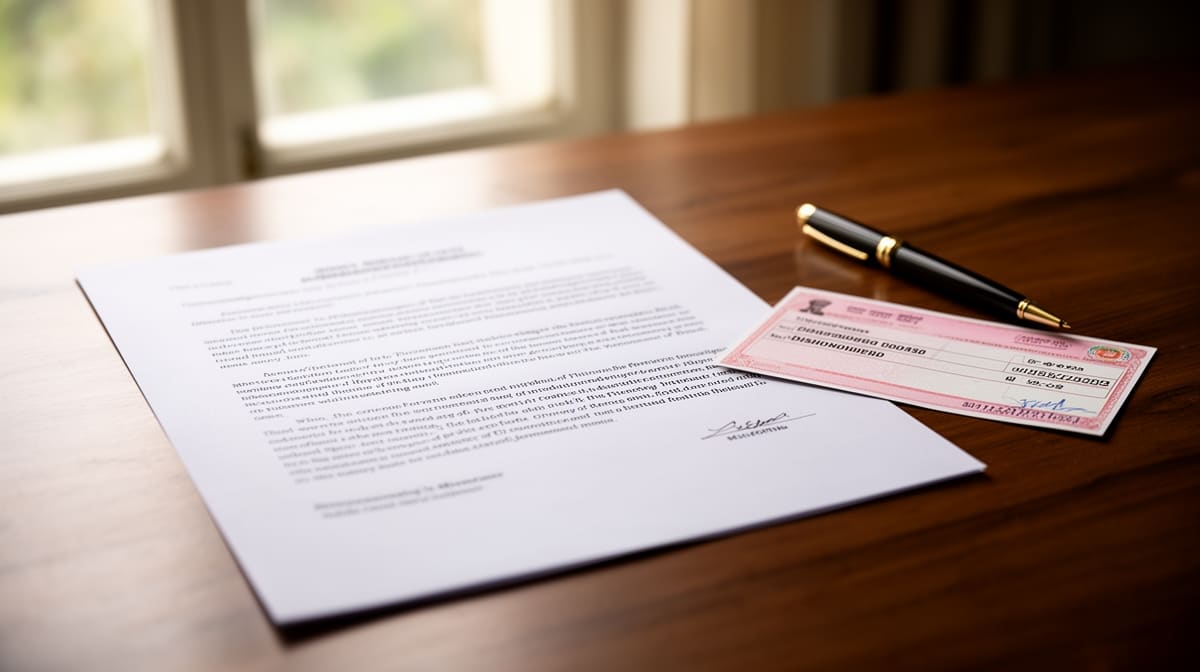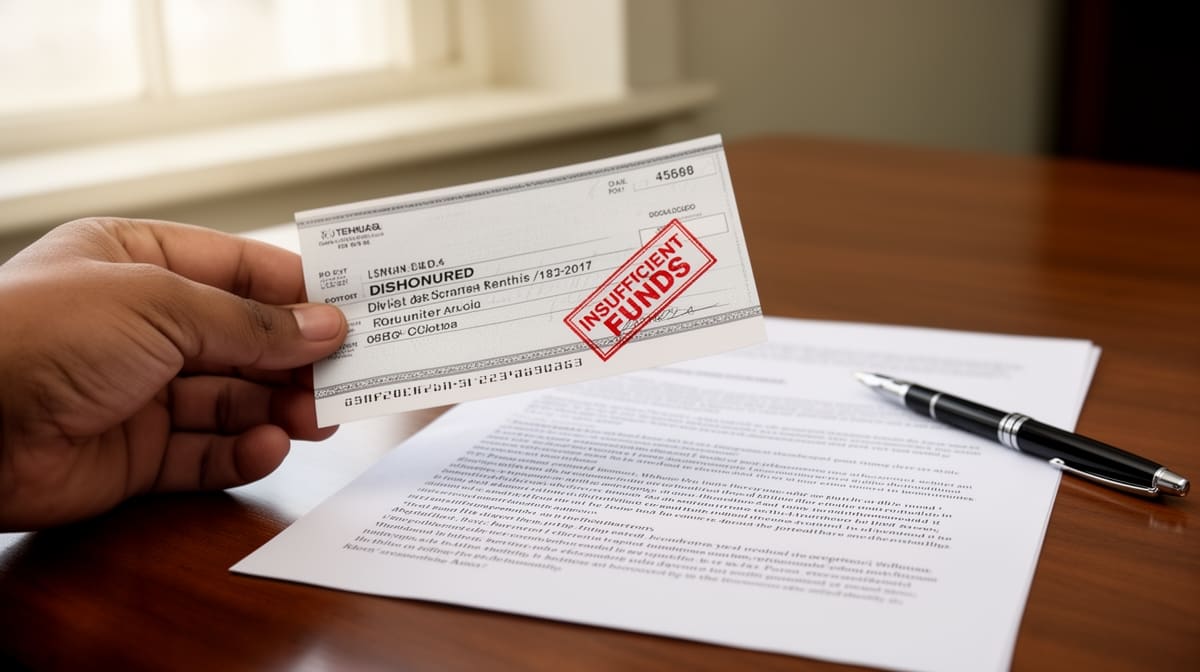
The Madhya Pradesh High Court has decisively affirmed that a complainant in a cheque dishonour case under Section 138 of the Negotiable Instruments Act is not merely an informant but a victim entitled to file an appeal against acquittal as a matter of right. This landmark clarification resolves long-standing confusion over procedural avenues available to aggrieved payees and aligns the remedy with the legislative intent behind the 2009 amendment to the Code of Criminal Procedure.
Background & Facts
The Dispute
The appellant, Rajaram, filed a complaint under Section 138 of the Negotiable Instruments Act, 1881 against the respondent, Lakhman, for dishonour of a cheque issued as payment for goods supplied. The Judicial Magistrate First Class in Bagli, Dewas, acquitted the accused on grounds of insufficient evidence. The complainant sought to challenge this acquittal but was initially barred from filing a direct appeal, as Section 378 of the CrPC required special leave from the High Court for complainants in private complaint cases.
Procedural History
- 2020: Complaint filed under Section 138 of the NI Act before JMFC, Bagli
- 26 July 2023: JMFC acquitted the accused
- October 2023: Appellant filed Criminal Appeal No. 10240 of 2023 before the Madhya Pradesh High Court under Section 419 of the Bhartiya Nagrik Suraksha Sanhita, 2023 (successor to Section 378 CrPC)
- December 2023: Application for leave to appeal under Section 378(4) CrPC was not pursued; instead, the appellant relied on the right of a victim under the proviso to Section 372 CrPC
Relief Sought
The appellant sought to set aside the acquittal and requested permission to file an appeal against the order without having to obtain special leave from the High Court, invoking the victim’s right under the proviso to Section 372 of the CrPC.
The Legal Issue
The central question was whether a complainant under Section 138 of the Negotiable Instruments Act qualifies as a "victim" under Section 2(wa) of the CrPC, thereby entitling him to file an appeal against acquittal under the proviso to Section 372 CrPC without needing special leave under Section 378(4).
Arguments Presented
For the Appellant
The appellant relied on the Supreme Court’s recent judgment in M/s. Celestium Financial v. A. Gnanasekaran (2025 INSC 804), arguing that the payee of a dishonoured cheque suffers direct economic injury and is therefore the aggrieved party. He contended that the complainant under Section 138 is both the complainant and the victim, and the 2009 amendment to the CrPC was designed precisely to empower such victims with an unqualified right of appeal. He further argued that requiring special leave under Section 378(4) would nullify the legislative intent behind the proviso to Section 372.
For the Respondent
The respondent did not contest the legal proposition directly but argued that the appeal was time-barred and that the complainant had not exhausted the procedural route under Section 378. He maintained that Section 378 remained the exclusive mechanism for complainants and that the victim status under Section 2(wa) was not intended to override the specific appeal provisions for private complaints.
The Court's Analysis
The Court undertook a detailed statutory interpretation of Section 2(wa), Section 372, and Section 378 of the CrPC, in light of the Supreme Court’s reasoning in Celestium Financial. It emphasized that the definition of "victim" under Section 2(wa) is inclusive and not restrictive, encompassing any person who has suffered loss or injury due to the commission of an offence. The Court held that the dishonour of a cheque under Section 138 constitutes a deemed offence under criminal law, and the payee, who is deprived of the due payment, is the natural victim.
"The complainant under Section 138 is the victim who must also have the right to prefer an appeal under the said provision. Merely because the proceeding under Section 138 of the Act commences with the filing of a complaint under Section 200 of the CrPC by a complainant, he does not cease to be a victim inasmuch as it is only a victim of a dishonour of cheque who can file a complaint."
The Court distinguished between the rights of a complainant and a victim. While Section 378(4) imposes procedural hurdles on complainants seeking to appeal acquittals, the proviso to Section 372 grants an absolute, unconditional right to victims. The Court rejected the notion that the two provisions are mutually exclusive, holding instead that a victim-complainant may choose the more beneficial route. It further noted that the absence of State involvement in Section 138 proceedings underscores the private nature of the grievance and reinforces the need to empower the victim directly.
The Court also highlighted the symmetry between the rights of the accused under Section 374 and the victim under Section 372, stating that both must be treated as matters of right, not privilege. It concluded that the legislative insertion of the proviso to Section 372 was meant to correct an imbalance and that denying victims the right to appeal without leave would render the provision otiose.
The Verdict
The appellant won. The Court held that a complainant under Section 138 of the Negotiable Instruments Act qualifies as a "victim" under Section 2(wa) of the CrPC and is entitled to file an appeal against acquittal under the proviso to Section 372 CrPC as a matter of right, without seeking special leave under Section 378(4). The appellant was granted 60 days to file the appeal before the Sessions Judge.
What This Means For Similar Cases
Victim Status Trumps Complainant Status
- Practitioners must now argue that any payee filing a Section 138 complaint is a victim, regardless of whether they are a bank, business, or individual
- Appeals under the proviso to Section 372 CrPC are now the preferred route, bypassing the 60-day limitation for special leave under Section 378(4)
- The burden shifts to the respondent to prove the complainant is not the victim, not the other way around
No Need to File Dual Appeals
- Lawyers need not file applications under Section 378(4) and Section 372 simultaneously
- If the complainant is also the victim, filing under Section 372 is sufficient and more advantageous
- Courts must now treat appeals under Section 372 as routine, not exceptional
Limitation Periods Are Clarified
- Appeals under proviso to Section 372 are subject to the general limitation period of 90 days from the date of acquittal (Section 468 CrPC)
- The Court’s clarification that it will not insist on limitation if filed within 60 days of this order provides a practical window for pending cases
- This overrides any prior practice of treating Section 138 appeals as strictly bound by Section 378(4)’s 60-day rule