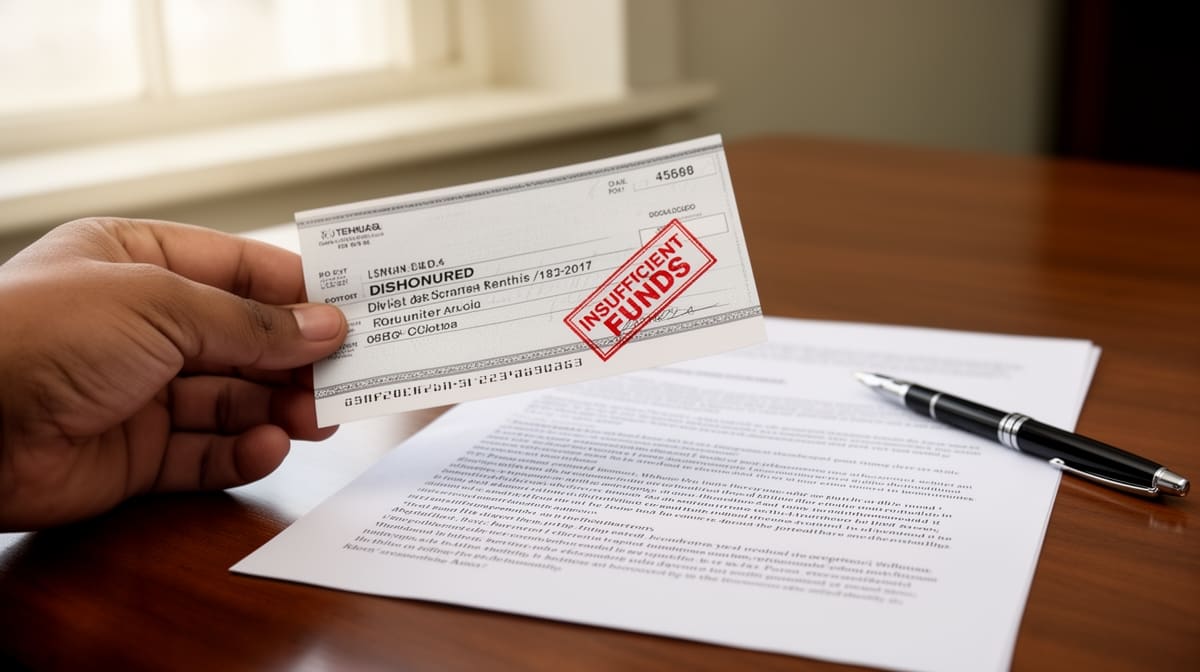
The Madhya Pradesh High Court has clarified a significant procedural right for complainants under Section 138 of the Negotiable Instruments Act, 1881. Relying on the Supreme Court's decision in M/s. Celestium Financial v. A. Gnanasekaran, the Court held that a complainant in a cheque dishonour case is a 'victim' under Section 2(wa) of the CrPC and can appeal an acquittal under the proviso to Section 372 CrPC without seeking special leave under Section 378(4) CrPC. This ruling removes a procedural hurdle for victims seeking redressal in cheque bounce cases.
Background & Facts
The Dispute
The appellant, Lakhan Rathore, filed a criminal appeal under Section 378(4) of the CrPC against an acquittal order dated 06.02.2020 passed by the Chief Judicial Magistrate, Barwani, in Criminal Case No. 67/2018. The respondent, Shiv, was acquitted of an offence under Section 138 of the Negotiable Instruments Act, 1881 (NI Act), which pertains to the dishonour of cheques.
Procedural History
- 06.02.2020: Chief Judicial Magistrate, Barwani, acquitted the respondent in Criminal Case No. 67/2018.
- 2022: The appellant filed Criminal Appeal No. 6419/2022 before the Madhya Pradesh High Court under Section 378(4) CrPC, seeking to challenge the acquittal.
- 01.07.2026: The appeal was reserved for orders.
- 10.07.2026: The High Court disposed of the appeal, granting the appellant liberty to file an appeal before the Sessions Judge under Section 372 CrPC.
Relief Sought
The appellant sought to overturn the acquittal of the respondent under Section 138 NI Act and to secure a conviction. However, the High Court, in light of the Supreme Court's ruling, directed the appellant to pursue the appeal under Section 372 CrPC instead of Section 378(4) CrPC.
The Legal Issue
The central question was whether a complainant under Section 138 NI Act qualifies as a 'victim' under Section 2(wa) CrPC and can appeal an acquittal under the proviso to Section 372 CrPC without seeking special leave under Section 378(4) CrPC.
Arguments Presented
For the Appellant
The appellant relied on the Supreme Court's judgment in M/s. Celestium Financial v. A. Gnanasekaran to argue that complainants under Section 138 NI Act are 'victims' and entitled to appeal under Section 372 CrPC without the procedural hurdle of seeking special leave under Section 378(4) CrPC. The appellant contended that the acquittal order was erroneous and deserved to be set aside.
For the Respondent
The respondent's counsel likely argued that the appellant's remedy lay under Section 378(4) CrPC, which requires special leave to appeal, and that the appellant could not bypass this requirement by invoking Section 372 CrPC. However, the High Court did not engage with this argument in detail, as it relied entirely on the Supreme Court's ruling.
The Court's Analysis
The High Court extensively quoted and relied on the Supreme Court's judgment in M/s. Celestium Financial v. A. Gnanasekaran, which held that complainants under Section 138 NI Act are 'victims' under Section 2(wa) CrPC. The Supreme Court reasoned as follows:
"In the context of offences under the Act, particularly under Section 138 of the said Act, the complainant is clearly the aggrieved party who has suffered economic loss and injury due to the default in payment by the accused owing to the dishonour of the cheque which is deemed to be an offence under that provision. In such circumstances, it would be just, reasonable and in consonance with the spirit of the CrPC to hold that the complainant under the Act also qualifies as a victim within the meaning of Section 2(wa) of the CrPC."
The Supreme Court further held that such a complainant-victim can appeal an acquittal under the proviso to Section 372 CrPC without seeking special leave under Section 378(4) CrPC. The Court emphasized that:
"The complainant under Section 138 is the victim who must also have the right to prefer an appeal under the said provision. Merely because the proceeding under Section 138 of the Act commences with the filing of a complaint under Section 200 of the CrPC by a complainant, he does not cease to be a victim inasmuch as it is only a victim of a dishonour of cheque who can file a complaint. Thus, under Section 138 of the Act both the complainant as well as the victim are one and the same person."
The Supreme Court also distinguished between the rights of a complainant and a victim. While a complainant must seek special leave under Section 378(4) CrPC to appeal an acquittal, a victim can appeal as a matter of right under Section 372 CrPC. The Court noted that the proviso to Section 372 CrPC was inserted to provide victims with an unconditional right to appeal, aligning their rights with those of a convicted accused under Section 374 CrPC.
The High Court adopted this reasoning and directed the appellant to file an appeal under Section 372 CrPC before the Sessions Judge within 60 days.
The Verdict
The High Court disposed of the appeal with the following directions:
- The appellant was granted liberty to file an appeal against the acquittal order before the concerned Sessions Judge under the proviso to Section 372 CrPC within 60 days from the date of receipt of the order.
- The Sessions Judge was directed not to insist on limitation while deciding the appeal if filed within the prescribed time.
- The Registry was directed to return the certified copy of the impugned judgment to the appellant after obtaining an attested photocopy.
- The record of the case was to be sent back to the Chief Judicial Magistrate, Barwani, forthwith.
What This Means For Similar Cases
Victims Under Section 138 NI Act Can Appeal Without Special Leave
This judgment reinforces the principle that complainants in cheque dishonour cases are 'victims' under Section 2(wa) CrPC and can appeal an acquittal under Section 372 CrPC without seeking special leave under Section 378(4) CrPC. This removes a significant procedural barrier for victims seeking redressal.
- Practitioners must now advise clients that appeals against acquittals in Section 138 NI Act cases can be filed under Section 372 CrPC as a matter of right.
- Lower courts must recognize this right and not dismiss such appeals on technical grounds like limitation if filed within the prescribed time.
The Distinction Between Complainant and Victim Rights
The judgment clarifies the distinction between the rights of a complainant and a victim under the CrPC:
- A complainant under Section 200 CrPC must seek special leave under Section 378(4) CrPC to appeal an acquittal.
- A victim, as defined under Section 2(wa) CrPC, can appeal under Section 372 CrPC without any conditions precedent.
- Since complainants under Section 138 NI Act are both complainants and victims, they can choose to appeal under Section 372 CrPC.
Implications for Cheque Dishonour Litigation
- Increased Access to Justice: Victims of cheque dishonour can now pursue appeals without the procedural hurdle of seeking special leave, making it easier to challenge acquittals.
- Strategic Litigation: Practitioners should strategically choose between Section 372 CrPC and Section 378 CrPC based on the facts of the case and the likelihood of obtaining special leave.
- Judicial Efficiency: Lower courts must ensure that appeals filed under Section 372 CrPC are heard on merits without undue emphasis on procedural technicalities.