The Chhattisgarh High Court has affirmed that a victim’s death occurring months after a motor accident does not invalidate claims for medical expenses, loss of earnings, or pain and suffering arising from the initial injuries. This ruling reinforces the principle that compensation must reflect the actual harm suffered, regardless of the temporal gap between accident and death.
Background & Facts
The Dispute
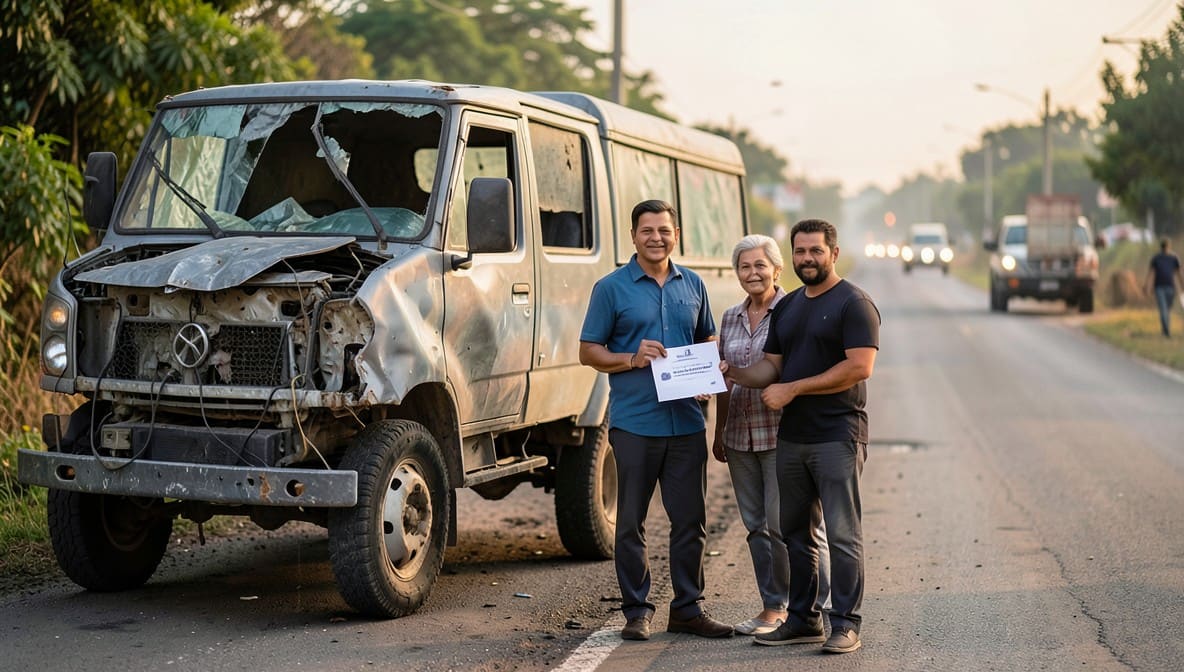
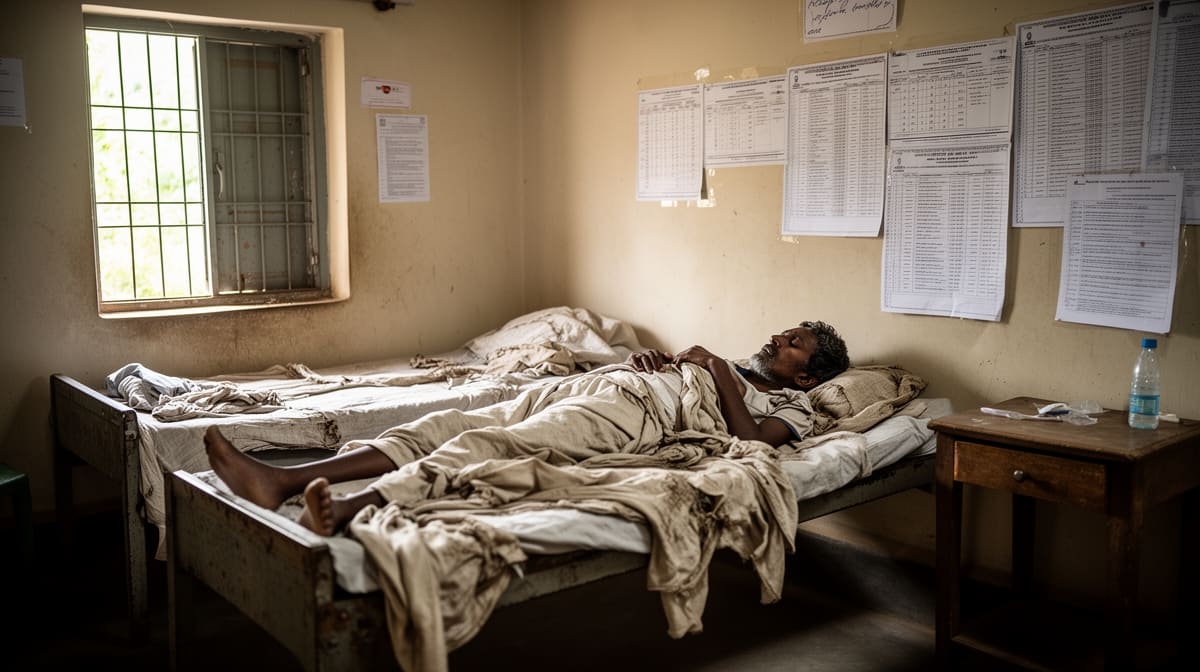
On 9 March 2018, Mastram, a laborer, was injured in a collision between his motorcycle and a tractor bearing registration No. CG-04-DT-3873, driven negligently by Sanjeev Kumar. He sustained multiple fractures and was hospitalized across three facilities: Community Health Centre, Pandariya; Life Care Hospital, Bilaspur; and S.K.B. Multi Speciality Hospital, Bilaspur. He remained hospitalized intermittently until 7 April 2018 and died at home on 5 December 2019, nearly 21 months after the accident.
Procedural History
- March 2018: Accident occurs; Mastram hospitalized with grievous injuries
- 2021: Claim petition filed by widow and children before Additional Motor Accident Claims Tribunal, Kabirdham
- July 2022: Tribunal awards Rs. 6,92,337/- for medical bills, loss of earnings, attendant charges, transportation, special diet, and pain and suffering
- 2022: Appellants (driver and owner) file appeal before Chhattisgarh High Court challenging the award
Relief Sought
The appellants sought to set aside the Tribunal’s award, arguing that Mastram’s death 21 months post-accident severed the causal link between the accident and his demise, thereby invalidating compensation for non-economic losses. They also challenged the quantum of medical expenses and other heads of compensation as inflated.
The Legal Issue
The central question was whether compensation for injuries sustained in a motor accident can be awarded when the victim dies months later, and whether the delayed death negates the claimant’s right to recover for medical expenses, pain and suffering, and loss of earning.
Arguments Presented
For the Appellant
Counsel for the driver and owner contended that the 21-month gap between the accident and death rendered the causal connection speculative. They argued that without a medical opinion conclusively linking death to the accident, the Tribunal erred in awarding compensation for pain and suffering and loss of earning beyond the hospitalization period. They further asserted that medical bills were exaggerated and unsupported by proper documentation.
For the Respondent
Counsel for the claimants submitted that the Tribunal correctly treated the case as one of injury, not wrongful death. He emphasized that the claim was for injuries sustained during hospitalization, not for death itself. Medical records, bills, and testimony established the extent of injuries and treatment. The delay in death, he argued, did not diminish the reality of the harm suffered during the hospitalization period.
The Court's Analysis
The Court examined the nature of the claim and the evidence on record. It noted that the Tribunal had explicitly framed the case as one of injury, not wrongful death, and awarded compensation under heads directly tied to the accident’s immediate consequences. The Court held that compensation for medical expenses, attendant charges, transportation, special diet, and pain and suffering are recoverable irrespective of whether the victim survives beyond the treatment period.
"The fact that the deceased passed away 21 months after the accident does not erase the fact that he suffered grievous injuries requiring prolonged hospitalization and incurred substantial medical expenses."
The Court found no merit in the challenge to medical bills, as the claimants produced original receipts and the appellants failed to rebut them with contrary evidence. The Tribunal’s award of Rs. 12,500 for four months of lost earnings at Rs. 2,500 per month was deemed reasonable given Mastram’s occupation as a laborer. The amounts for attendant charges, special diet, and pain and suffering were within the bounds of judicial discretion and consistent with precedents.
The Court further clarified that the burden to disprove medical expenses lies with the defendant, and mere speculation about inflated claims without documentary rebuttal cannot override established evidence.
The Verdict
The appellants’ appeal was dismissed. The Court held that compensation for injuries sustained in a motor accident remains recoverable even if the victim dies months later, provided the injuries and expenses are substantiated. The Tribunal’s award of Rs. 6,92,337/- was upheld as just, reasonable, and fully supported by evidence.
What This Means For Similar Cases
Medical Expenses Are Recoverable Regardless of Post-Accident Death
- Practitioners must argue that medical bills, attendant charges, and special diet costs are compensable based on actual treatment rendered, not on survival status
- Insurers and defendants cannot evade liability by pointing to delayed death without credible medical evidence disproving causation
Pain and Suffering Is Not Tied to Survival
- Pain and suffering is a head of compensation for the period of hospitalization and recovery, not a posthumous benefit
- Courts will uphold awards for non-economic loss if supported by hospital records and testimony, even if the victim did not live to see the trial
Burden of Disproving Medical Costs Rests on the Defendant
- Claimants need only produce original bills and treatment records
- Defendants must provide contradictory documentary evidence to challenge medical expenses - mere oral denial is insufficient
- Failure to rebut evidence leads to automatic acceptance of claimed amounts