The National Company Law Appellate Tribunal (NCLAT) has clarified the authority of co-developers in insolvency resolution proceedings to execute registration deeds for completed projects. In a significant ruling, the Tribunal directed statutory authorities to accept joint authorization from co-developers for registration of units in favour of homebuyers, reinforcing the binding nature of Master Agreements under the Insolvency and Bankruptcy Code (IBC).
Background & Facts
The Dispute
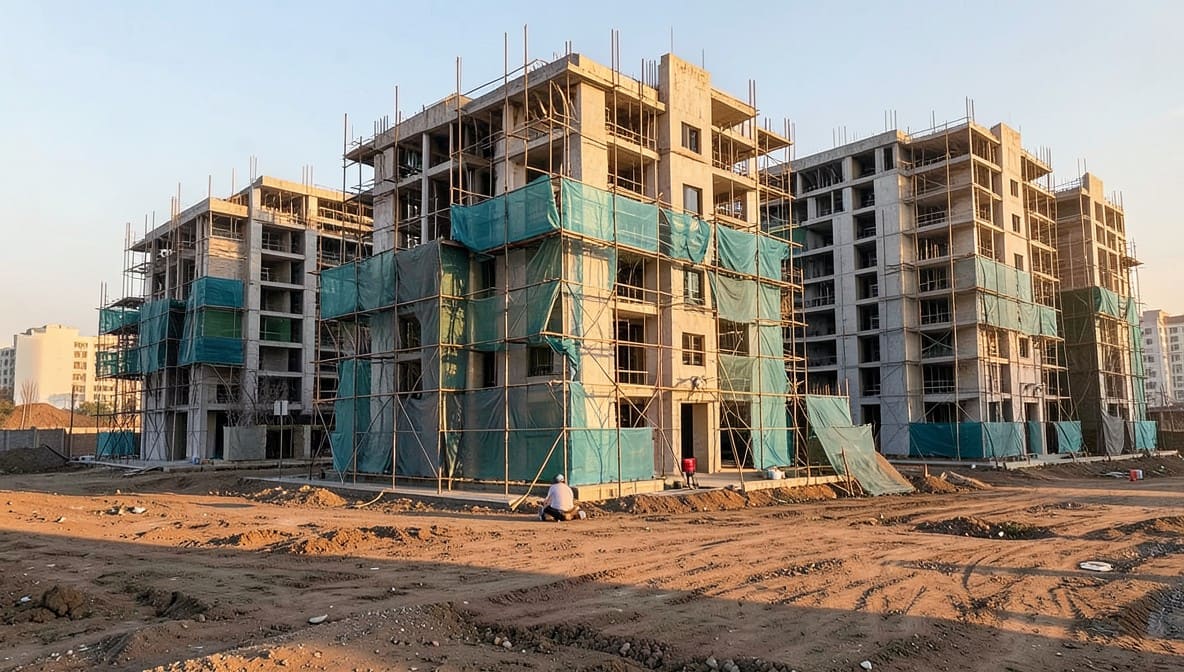
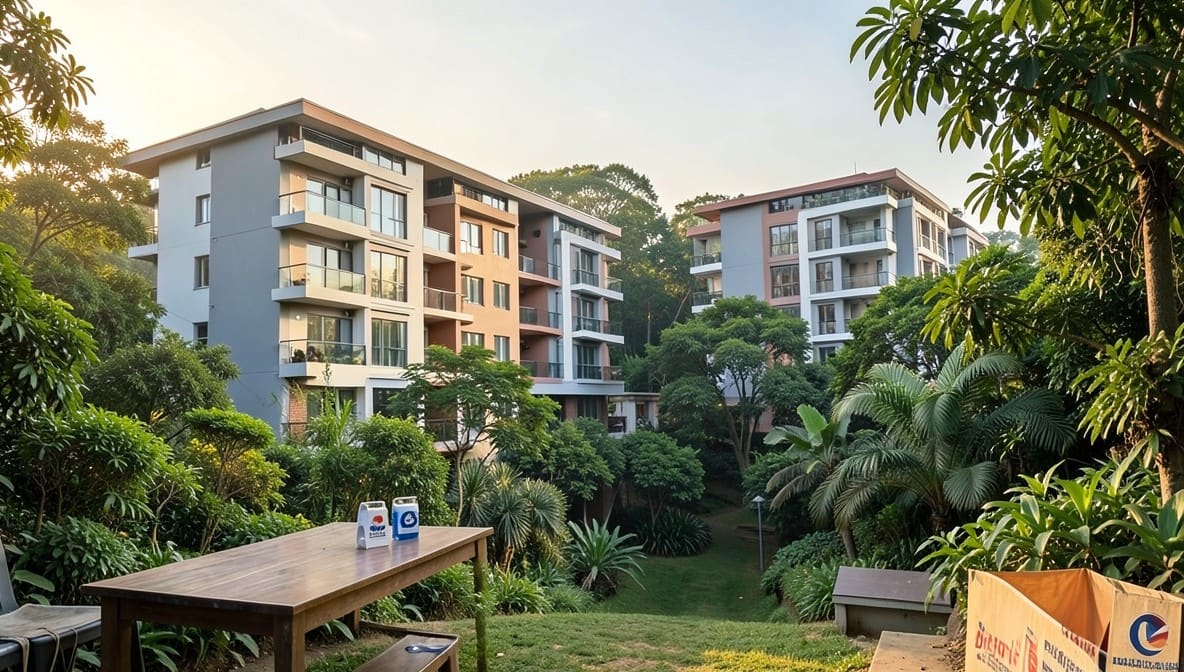
The case arises from the Corporate Insolvency Resolution Process (CIRP) of Supertech Ltd., initiated by an order dated 25.03.2022. The dispute pertains to the Project 'Doon Square' in Dehradun, Uttarakhand, developed jointly by M/s. Ametek Buildtech India Pvt. Ltd. and M/s. EBI Projects and Development LLP (the co-developers) under a Master Agreement (MA) dated 08.10.2024. While the project was completed and Occupancy Certificates were issued, the registration of deeds in favour of homebuyers/allottees remained pending due to procedural hurdles.
Key Facts
- CIRP Commencement: Order dated 25.03.2022 initiated CIRP against Supertech Ltd.
- Project-wise Resolution: NCLAT order dated 10.06.2022 directed constitution of Committee of Creditors (CoC) for Eco Village-II and treated other projects as ongoing.
- Supreme Court Intervention: Appeal by Union Bank of India led to an order dated 11.05.2023, allowing the 10.06.2022 order to operate.
- NBCC Proposal: NBCC filed I.A. 6557/2024, expressing interest in constructing 17 projects, including Doon Square. However, Doon Square was excluded from NBCC’s mandate by order dated 12.12.2024.
- Master Agreement: Signed on 08.10.2024 between Supertech Ltd. (through Interim Resolution Professional (IRP)), Bank of Baroda (BoB), and co-developers, outlining roles, rights, and obligations for project completion.
- No-Dues Certificate: Issued by BoB on 22.01.2026, confirming no outstanding dues.
- Occupancy Certificate: Issued by State Industrial Development Authority of Uttarakhand, confirming completion of 478 units (300 residential, 178 commercial).
- Registration Hurdle: Statutory authority (State Infrastructure and Industrial Development Corporation of Uttarakhand) required joint authorization from co-developers and IRP for registration deeds (letter dated 15.02.2025).
- IRP Suspension: IRP’s authority was suspended by IBBI order dated 30.03.2026, complicating execution of deeds.
Procedural History
- 25.03.2022: CIRP initiated against Supertech Ltd.
- 10.06.2022: NCLAT directs CoC constitution for Eco Village-II; other projects treated as ongoing.
- 05.04.2022: Union Bank of India files appeal against 10.06.2022 order.
- 11.05.2023: Supreme Court allows 10.06.2022 order to operate.
- 31.05.2024: NCLAT orders project-wise resolution of Supertech projects, excluding Eco Village-II.
- 18.04.2024: EBI Projects submits Letter of Intent (LoI) for Doon Square.
- 25.09.2024: NCLAT directs execution of Agreement for Doon Square within two weeks.
- 08.10.2024: Master Agreement signed between IRP, BoB, and co-developers.
- 16.10.2024: NCLAT directs implementation of MA for Doon Square.
- 12.12.2024: NCLAT excludes Doon Square from NBCC’s mandate (16 projects handed over to NBCC).
- 05.02.2025: Supreme Court notes Doon Square excluded from NBCC’s projects.
- 15.02.2025: Statutory authority requests joint authorization for registration deeds.
- 20.02.2026: Applicant files I.A. No. 1589 of 2026 seeking directions for registration.
- 22.05.2026: Present order passed by NCLAT.
Relief Sought
The applicant sought:
- Direction to statutory authority to accept joint authorization from co-developers for execution of registration deeds.
- Recognition of co-developers’ authority under Clause 6 of the Master Agreement to sign and execute deeds.
- Disposal of the application in favour of homebuyers/allottees.
The Legal Issue
The central question was whether co-developers, under a Master Agreement approved by NCLAT, are entitled to execute registration deeds for completed units in favour of homebuyers/allottees, particularly when the Interim Resolution Professional (IRP)’s authority is suspended and statutory authorities require joint authorization.
Arguments Presented
For the Applicant
- Authority Under MA: Relied on Clause 6 of the Master Agreement, which explicitly authorizes co-developers to execute deeds, including registration documents.
- Project Completion: Argued that Doon Square was fully completed, with Occupancy Certificates issued and No-Dues Certificate from BoB.
- IRP’s Consent: Submitted that IRP had consented to co-developers’ authority before suspension.
- Statutory Compliance: Highlighted that statutory authority’s requirement for joint authorization could be fulfilled by co-developers under the MA.
For the Respondents/Amicus Curiae
- No Objection: Amicus Curiae submitted no objection to registration of deeds, provided co-developers comply with the MA.
- IRP’s Role: Noted that IRP’s suspension did not invalidate the MA, which remained binding.
The Court's Analysis
The NCLAT examined the Master Agreement and its implications for project completion and registration:
-
Binding Nature of Master Agreement:
"The Agreement has been entered, the 16 Projects which were handed over to the NBCC excluded the 'Doon Square' Project... In paragraph 66 of the order, following has been directed: 'From Annexure D, the Project Doon Square is treated to be deleted, it having already directed to be resolved with the consent of all stakeholders.'"
The Tribunal emphasized that the MA, approved by NCLAT and directed to be implemented, remains binding on all parties, including statutory authorities.
-
Authority of Co-Developers: The Tribunal analyzed Clause 6 of the MA, which grants co-developers the authority to:
- Execute, deliver, and perfect deeds for registration.
- Procure approvals, no-objection certificates, and registrations under RERA.
- Sign and execute sub-lease deeds, flat buyer agreements, and other documents in favour of allottees.
"Project with the consent of all parties including the lenders and the companies represented by the IRP was handed over for completion to the applicant as per MA dated 08.10.2024 which has been noted by this Tribunal, orders and direction has been issued to implement the MA to complete the Project and the Project having been completed, we are of the view that as per Clause 6 of the MA... the authority having given to the co-developer to sign and execute deeds as required, it is open for the applicant who were authorised to sign and execute any deed to do the needful for registering the units in favour of the homebuyers/allottees."
-
Statutory Authority’s Requirement: The Tribunal noted that the statutory authority’s request for joint authorization (letter dated 15.02.2025) could be fulfilled by co-developers under the MA, as the IRP’s suspension did not invalidate the agreement.
-
Supreme Court’s Observations: The Tribunal referenced the Supreme Court’s order dated 05.02.2025, which acknowledged that Doon Square was excluded from NBCC’s mandate and was being resolved separately with stakeholders’ consent.
The Verdict
The NCLAT allowed the application, holding that:
- The co-developers are entitled to execute registration deeds in favour of homebuyers/allottees under Clause 6 of the Master Agreement.
- The statutory authority must accept joint authorization from the co-developers for registration purposes.
- The Master Agreement dated 08.10.2024 remains binding and enforceable, having been approved and directed for implementation by NCLAT.
- The application was disposed of accordingly, with directions for co-developers to submit the name of an authorized representative jointly to execute the deeds.
What This Means For Similar Cases
Master Agreements Are Binding in CIRP
- Project-wise Resolution: This judgment reinforces that Master Agreements entered during CIRP, with approval from NCLAT and consent of stakeholders (including lenders and IRP), are legally binding and enforceable.
- Co-Developers’ Authority: Courts will uphold the authority of co-developers to execute deeds and fulfill obligations under such agreements, even if the IRP’s role is suspended or terminated.
Registration of Deeds in Completed Projects
- Statutory Compliance: Statutory authorities cannot refuse registration deeds if co-developers are authorized under a court-approved agreement. Practitioners should ensure such agreements explicitly include registration rights.
- Homebuyers’ Rights: Completed projects with Occupancy Certificates and No-Dues Certificates must prioritize registration of deeds to protect homebuyers’ interests, even in insolvency scenarios.
Procedural Safeguards in Insolvency
- Joint Authorization: Where statutory authorities require joint authorization, co-developers should ensure agreements explicitly delegate such powers to avoid delays.
- Court Directions: NCLAT’s willingness to issue specific directions for implementation of agreements underscores the importance of seeking judicial intervention to resolve procedural hurdles in CIRP.