The Calcutta High Court’s judgment in Ram Chandra Pramanik v. State of West Bengal reaffirms that the reliability of a child witness hinges not on age or familial association, but on the voluntariness of their testimony and the absence of opportunity or motive for tutoring. This decision provides critical doctrinal clarity for courts handling cases where child testimony is central to prosecution, particularly in domestic violence and homicide matters.
Background & Facts
The Dispute
The appellant, Ram Chandra Pramanik, was convicted under Section 302 of the Indian Penal Code for the brutal murder of his wife, Sampa Pramanik, who was 18 weeks pregnant at the time of death. The prosecution alleged that the appellant assaulted her with a sabol (shovel) and then strangled her with a nylon rope. The sole eyewitness to the crime was the victim’s ten-year-old son, PW-2, who testified from his room window.
Procedural History
- 21 January 2014: Victim found dead; appellant arrested at the scene.
- 17 September 2014: Charges framed under Section 302 IPC and Section 498A IPC.
- 2017: Trial Court convicted appellant under Section 302 IPC, sentenced to life imprisonment and fine.
- 2017: Appellant appealed to the Calcutta High Court, challenging the credibility of PW-2’s testimony.
Relief Sought
The appellant sought acquittal or reduction of sentence, arguing that PW-2’s testimony was unreliable due to alleged tutoring by maternal relatives and lack of corroborative evidence. He contended that the child’s proximity to the victim’s family and the absence of electricity at the scene rendered his account implausible.
The Legal Issue
The central question was whether the testimony of a child witness, who is under the care of the victim’s family, can be relied upon if there is no demonstrable opportunity or motive for tutoring, and whether the two-fold test from Balveer Singh governs the admissibility of such evidence.
Arguments Presented
For the Appellant
Counsel argued that PW-2’s testimony was tainted by influence from his maternal grandfather, PW-1, and that the child’s emotional vulnerability and familial dependency created a high risk of tutoring. He emphasized the absence of electricity at the scene, suggesting insufficient natural light for the child to have witnessed the incident clearly. He further contended that the Investigating Officer’s failure to examine neighbors who allegedly heard the victim’s cries undermined the prosecution’s case.
For the Respondent/State
The State contended that PW-2’s testimony was spontaneous, consistent, and corroborated by the postmortem report and the immediate identification of the appellant by the child at the scene. It relied on The State of Madhya Pradesh v. Balveer Singh to argue that the child’s statement under Section 164 CrPC was recorded without delay, negating any opportunity for tutoring. The State also highlighted that the child had no motive to falsely implicate his own father.
The Court's Analysis
The Court undertook a rigorous analysis of the two-fold test established in Balveer Singh, emphasizing that mere suspicion or familial association cannot invalidate a child’s testimony. The first prong - opportunity of tutoring - was found absent. PW-2 named the appellant as the assailant immediately after the incident, before any police or family intervention. The statement was recorded under Section 164 CrPC within hours, with no unexplained delay.
"The precondition for recording a statement under Section 164, CrPC, is the assessment of the voluntariness of the maker of the statement by the magistrate."
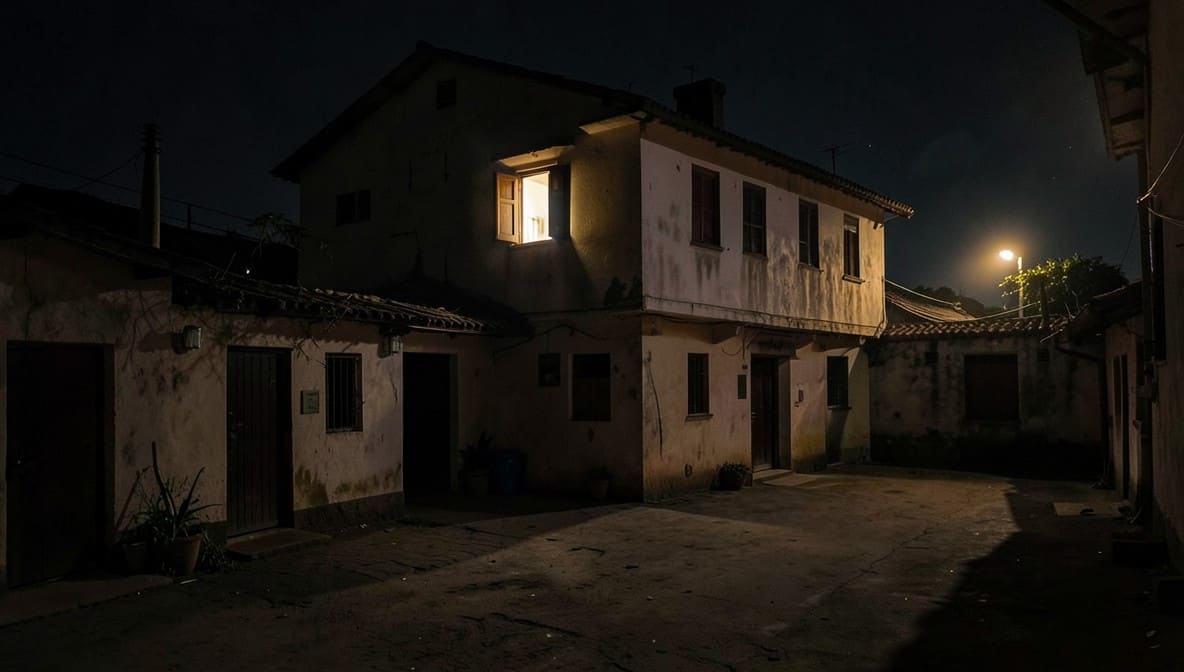
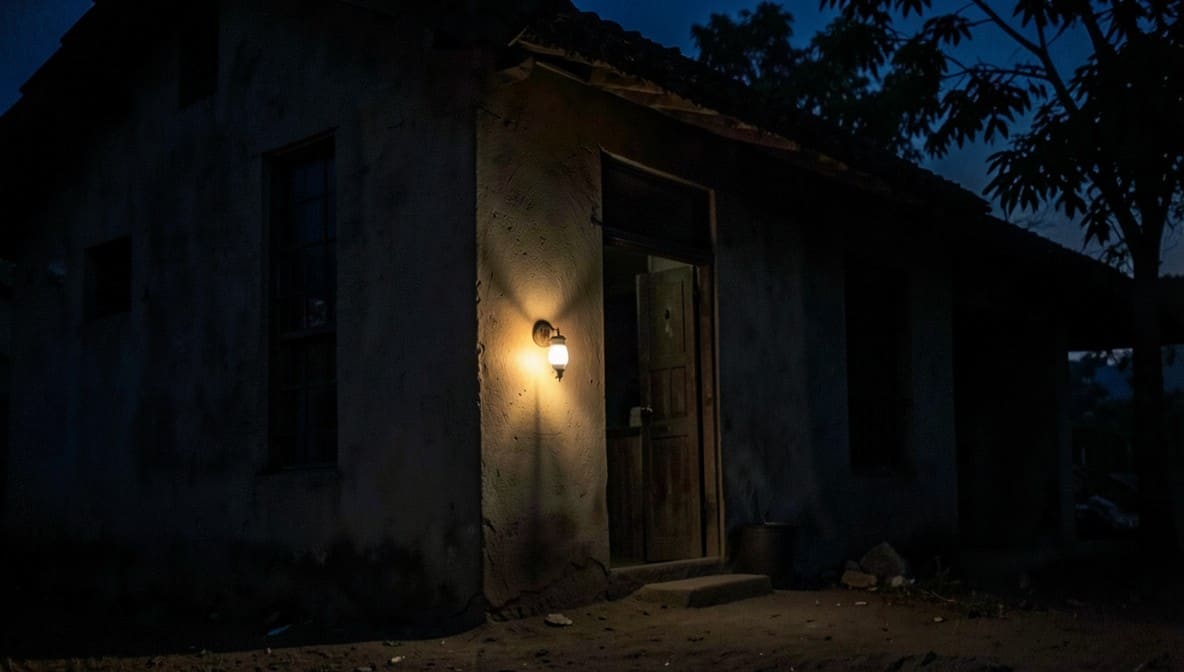
The Court noted that the defense failed to establish any reasonable likelihood of tutoring, as required by the second prong. The child’s consistent testimony, his candid admission of living with his maternal family, and his refusal to be swayed by cross-examination all indicated genuine recollection. The Court rejected the argument about lighting, observing that dawn light in a rural home, combined with the child’s intimate familiarity with the premises, was sufficient for observation.
The postmortem findings - including a fractured hyoid bone and extensive neck trauma - corroborated the child’s account of throttling. The Court held that the prosecution’s case was not weakened by the non-examination of additional neighbors, as the quality, not quantity, of evidence governs conviction. The failure to mention electricity in the sketch map was deemed a minor procedural lapse, not a fatal defect.
The Court further observed that the appellant’s conduct - repeated assault followed by deliberate strangulation - demonstrated premeditation and cruelty, especially given the victim’s pregnancy.
The Verdict
The appellant’s appeal was dismissed. The Calcutta High Court upheld the conviction under Section 302 IPC and the sentence of life imprisonment. The Court held that the testimony of a child witness, when found voluntary and uncorroborated by tutoring, is sufficient for conviction if corroborated by medical and circumstantial evidence.
What This Means For Similar Cases
Child Witness Testimony Cannot Be Dismissed on Familial Proximity
- Practitioners must avoid arguing that a child’s residence with the victim’s family automatically renders testimony suspect.
- The burden lies on the defense to prove actual tutoring, not mere possibility.
- Courts must apply the Balveer Singh two-fold test rigorously, not as a formality.
Section 164 CrPC Statement Is a Critical Safeguard
- Recording a child’s statement under Section 164 CrPC by a magistrate is not merely procedural - it is a judicial affirmation of voluntariness.
- Any delay in recording must be explained; silence on timing favors the prosecution.
- Cross-examination must target specific inconsistencies, not general allegations of coaching.
Corroboration Through Forensic Evidence Is Decisive
- Medical evidence, especially fracture patterns and vital reactions, can independently validate a child’s account.
- Minor discrepancies in sketch maps or witness lists do not invalidate a case if core testimony is credible.
- Absence of electricity or lighting concerns must be challenged during cross-examination; failure to do so waives the objection.