The Gauhati High Court has reaffirmed that detention under stringent anti-terror laws cannot be justified by mere proximity to suspected individuals without concrete, prima facie evidence linking the accused to unlawful activities. This ruling underscores the constitutional imperative to prevent arbitrary detention, even in cases involving national security statutes.
Background & Facts
The Dispute
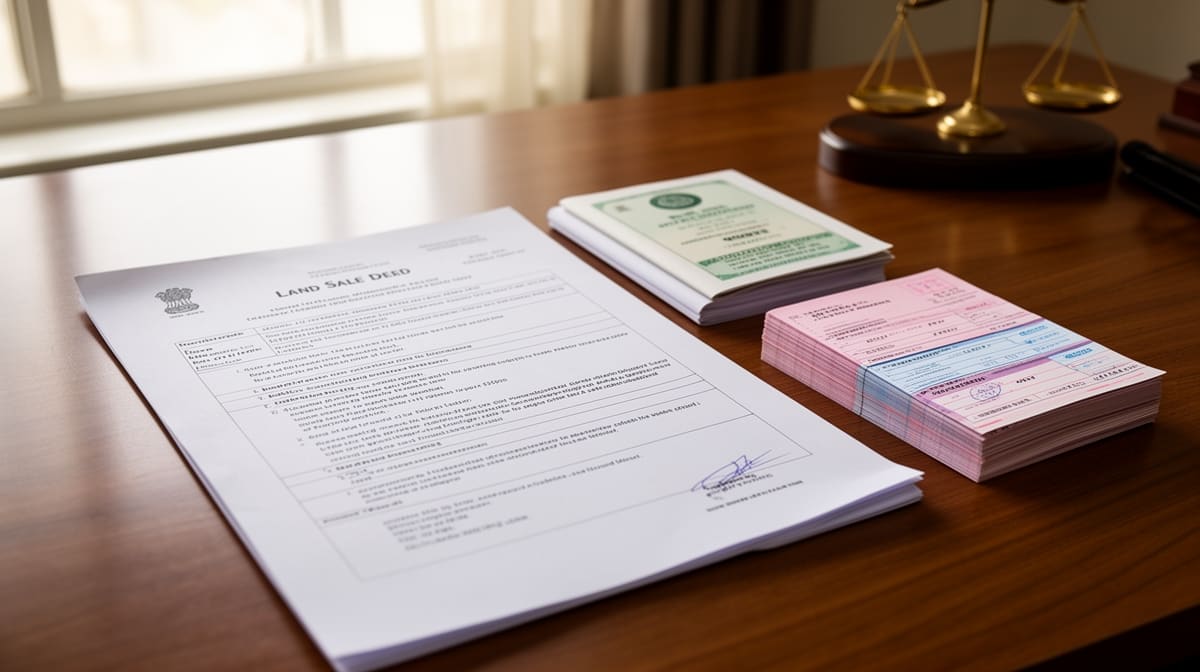
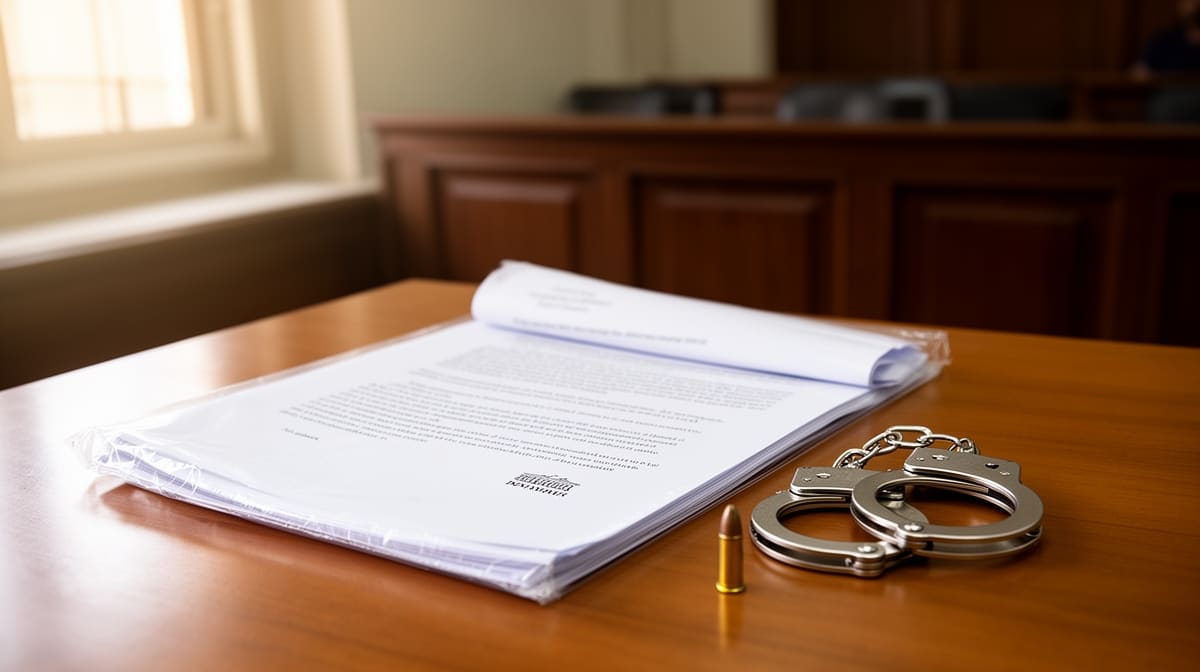
The accused applicant, Imdadul Hoque Sarkar, was arrested alongside three others in connection with Basistha P.S. Case No. 42/2026 under Section 147 of the BNS, 2023 read with Sections 15, 16, 17, and 18 of the Unlawful Activities (Prevention) Act, 1967. The police alleged that Rs. 70.88 lakh in cash and cheques worth Rs. 43 lakh, recovered from the vehicle they were traveling in, were intended for terrorist financing. The prosecution claimed the accused had confessed to this intent.
Procedural History
- 28.01.2026: Vehicle intercepted on NH-27 at 9th Mile; cash, cheques, mobile phones, and a land sale deed recovered.
- 29.01.2026: Accused arrested and produced before District & Sessions Judge, Kamrup (M); remanded to police custody for five days.
- 02.02.2026: Transferred to judicial custody, where he remained for 18 days at the time of bail hearing.
- 20.02.2026: Bail application heard before the Gauhati High Court.
Relief Sought
The petitioner sought immediate release on bail, arguing that no material evidence connected him to terrorist activities, and that his arrest stemmed solely from being in the company of co-accused Anowar Hussain.
The Legal Issue
The central question was whether bail can be denied under UAPA merely on the basis of association with co-accused and presence at the scene of recovery, absent any prima facie evidence linking the accused to terrorist intent or activity.
Arguments Presented
For the Petitioner
Learned counsel argued that the accused had no knowledge of the source or purpose of the recovered funds. He was in Guwahati to meet his daughter at Assam Down Town University and accompany a relative to USTM. The land sale deed and cheques were entirely unrelated to him. He cited Thwaha Fasal v. Union of India to assert that bail must be granted if no prima facie case exists, and that detention without evidence violates Article 21.
For the Respondent
The State contended that the recovery of large sums of cash and cheques, coupled with a confessional statement, established a reasonable suspicion of terrorist financing. It argued that the investigation was nascent, verification of cheques and bank trails was pending, and granting bail would risk tampering with evidence and obstructing the probe.
The Court's Analysis
The Court meticulously reviewed the Case Diary and found no document, witness statement, or digital record directly implicating the accused in any terrorist act or organization. While the co-accused Anowar Hussain had a documented land sale transaction worth Rs. 60 lakh - supported by a registered agreement and an ICICI Bank overdraft facility of Rs. 50 lakh - the accused had no role in this transaction.
"No prima facie material is available in the Case Diary before this Court connecting the Accused Applicant with any terrorist activity."
The Court emphasized that mere association with a suspect, without independent corroboration of involvement, cannot sustain denial of bail under Section 43D(5) of UAPA. It relied on Thwaha Fasal v. Union of India, which mandates that courts must assess whether the accusation is prima facie true based on materials on record - not speculation or suspicion. The Court held that the State’s reliance on a general confession by others, without evidence tying the applicant to it, was legally insufficient. The absence of any forensic, financial, or communication trail linking the accused to the alleged purpose of the funds rendered the detention arbitrary.
The Verdict
The petitioner won. The Court held that bail cannot be denied under UAPA solely on association with co-accused or presence at the scene of recovery, where no prima facie evidence connects the accused to terrorist activity. The accused was granted bail on conditions ensuring cooperation with the investigation.
What This Means For Similar Cases
Association Alone Is Not Sufficient for Denial of Bail
- Practitioners must challenge UAPA bail denials where the accused’s involvement is based only on proximity or co-travel.
- Courts must distinguish between active participation and passive presence.
- The burden remains on the State to produce specific, material evidence - not generalized allegations.
Prima Facie Standard Must Be Rigorously Applied
- The Thwaha Fasal test is now binding: courts must examine whether materials on record, not allegations, support a reasonable belief in guilt.
- Confessions of co-accused cannot be automatically attributed to others without independent corroboration.
- Financial transactions involving third parties must be traced directly to the accused to establish intent.
Procedural Delays Do Not Justify Prolonged Detention
- Investigative delays cannot be used to justify continued custody without evidence.
- If no material is gathered within weeks of arrest, courts must reassess the necessity of detention.
- Bail conditions should be tailored to ensure cooperation, not punitive detention.