The Sikkim High Court has clarified that courts cannot grant interim compensation in writ petitions absent a formal application, reinforcing the principle that even extraordinary remedies must follow due process. This ruling impacts how petitioners approach urgent relief in land acquisition and infrastructure-related disputes.
Background & Facts
The Dispute
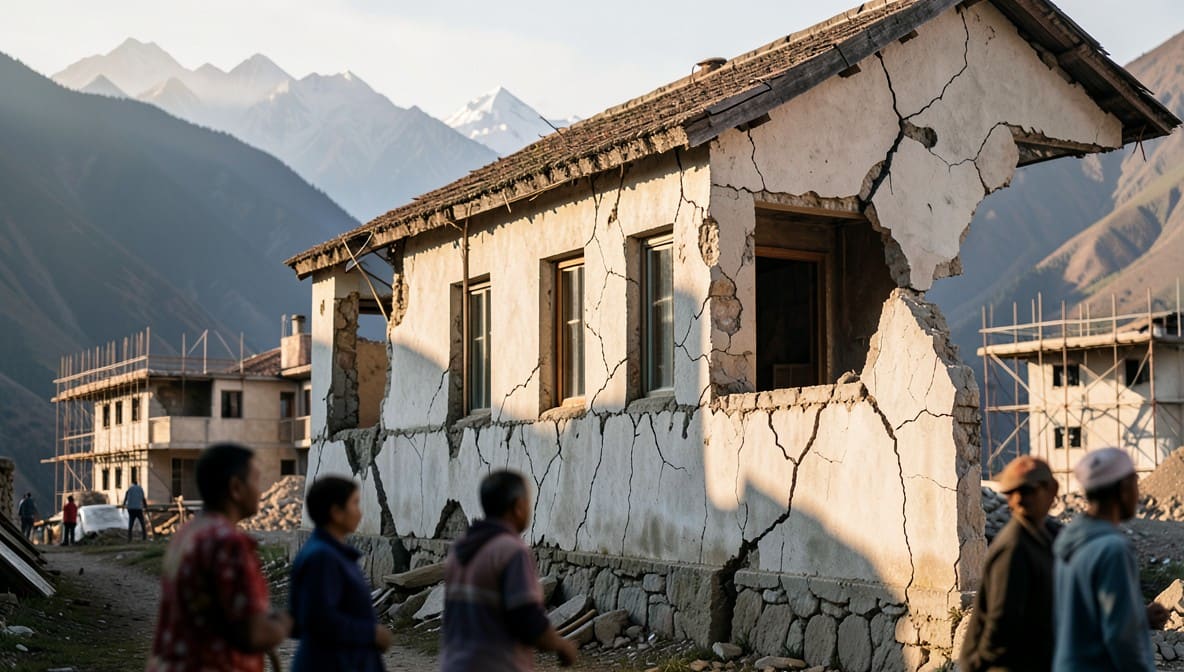
The appellant, IRCON International Ltd, was executing railway infrastructure projects in East Sikkim under the direction of the Ministry of Railways. During construction, residents of Zitlang Shantinagar, Rangpo, alleged structural damage to their homes due to vibrations and excavation works. Two affected landholders, Dil Bahadur Pradhan and Madan Pradhan, filed separate writ petitions before the Single Judge of the Sikkim High Court seeking compensation and house rent assistance.
Key Facts
- The alleged damage occurred during railway line construction works undertaken by IRCON between 2023 and 2025
- Respondents No. 3 (Dil Bahadur Pradhan and Madan Pradhan) are residents of Zitlang Shantinagar, Rangpo, East Sikkim
- No formal application for interim relief was filed by either petitioner before the Single Judge
- The writ petitions included a prayer for payment of house rent as interim relief
- The Single Judge passed an order on 12.12.2025 directing IRCON to pay interim compensation without any application being moved
- The compensation amount was not specified in the order
- The State of Sikkim and the Ministry of Railways were named as respondents for their oversight roles
Procedural History
- 2023 - 2025: Construction activities by IRCON in Rangpo area led to alleged structural damage to residential properties
- 2025: Petitioners approached the District Collector and IRCON for compensation; no resolution achieved
- 2025: Writ Petitions filed before the Single Judge of the Sikkim High Court (specific numbers not provided in judgment)
- 12.12.2025: Single Judge passed interim order directing payment of compensation without any interim application being filed
- 02.01.2026: IRCON filed Writ Appeals No. 02 of 2026 and Writ Appeals No. 03 of 2026 under Rule 148 of the Sikkim High Court (Practice and Procedure) Rules, 2011
- 24.03.2026: Division Bench heard both appeals together and delivered judgment
The Parties' Positions
For the Appellant (IRCON): Argued that the Single Judge acted without jurisdiction by granting interim compensation in the absence of any application under Order XXXIX of the CPC or any specific prayer for interim relief in the writ petition. Contended that such orders violate the principle of audi alteram partem and create precedents of judicial overreach.
For the Respondents (Petitioners): Argued that the damage to their homes was immediate and irreversible, and that the writ court has inherent power to grant interim relief under Article 226 to protect fundamental rights. Asserted that the lack of a formal application was a technicality that should not defeat substantive justice.
Relief Sought
The appellant sought setting aside of the interim order dated 12.12.2025. The respondents sought continuation of the interim compensation order pending final disposal of the writ petitions.
The Legal Issue
The central question was whether a writ court may grant interim compensation under Article 226 of the Constitution in the absence of a formal application for interim relief, and whether such an order affects the substantial rights of the parties so as to be appealable.
Arguments Presented
For the Appellant
IRCON contended that interim relief under Article 226 is not automatic and must be sought through a specific application. Cited State of Haryana v. Bhagwan Das to argue that courts cannot assume jurisdiction to grant relief not prayed for. Emphasized that the order of 12.12.2025 was passed ex parte, without notice to IRCON, and without any evidence of imminent threat to life or property. Argued that compensation claims are civil in nature and must follow procedural norms even in constitutional remedies.
For the Respondent
The respondents argued that the writ court has plenary powers under Article 226 to do complete justice. Relied on Bandhua Mukti Morcha v. Union of India to assert that courts may act suo motu in cases involving public interest and fundamental rights. Claimed that structural damage to homes constitutes a threat to the right to life under Article 21, justifying immediate relief.
The Court's Analysis
The Division Bench began by affirming the appealability of the interim order under Rule 148 of the Sikkim High Court Rules, noting that any order affecting substantial rights of a party is appealable. The Court observed that the order directing payment of compensation directly impacted IRCON’s financial obligations and operational planning, thereby satisfying the threshold for appeal.
"There may arise situations where compensation can be awarded by way of interim relief, particularly where there exists an immediate threat to the life of a citizen and no other means are available to safeguard their life and liberty. In such exceptional circumstances, the Writ Court is empowered to pass appropriate interim orders, having due regard to the facts and exigencies of the case."
However, the Court found no such exceptional circumstances present. It noted that the petitioners did not allege any imminent risk to life, limb, or health. The damage to homes, while serious, was not shown to be of an urgent, irreversible, or life-threatening nature. The prayer for house rent could have been quantified and supported with evidence, but no such details were submitted.
The Court emphasized that Article 226 is not a substitute for civil remedies and cannot be invoked to bypass procedural requirements. The absence of an interim application was fatal to the order. The Court held that even in constitutional litigation, the principle of fair hearing and adversarial process must be respected.
"In the absence of any interim relief sought, we are of the view that the interim order dated 12.12.2025 passed by the learned Single Judge is not sustainable."
The Court further noted that the counter-affidavits filed by IRCON were defective, but this did not justify unilateral relief. The petitioners were directed to file proper applications and cure procedural defects.
The Verdict
The writ appeals were allowed. The interim order dated 12.12.2025 was set aside. The petitioners were granted liberty to file fresh applications for interim relief before the Single Judge. The matter was listed for hearing on 31.03.2026, with the Court directing the Single Judge to consider any such application expeditiously. No monetary compensation was directed, and no costs were awarded.
What This Means For Similar Cases
Interim Relief Requires Formal Application
- Practitioners must file a separate application under Order XXXIX CPC or a specific prayer under Article 226 seeking interim relief
- Courts cannot grant compensation or injunctions based solely on pleadings in the main writ petition
- Failure to file an interim application renders any such order liable to be set aside
No Automatic Judicial Activism in Civil Disputes
- Structural damage or property loss, without evidence of imminent threat to life, does not justify extraordinary interim relief
- Courts must distinguish between urgent humanitarian crises and routine civil compensation claims
- The doctrine of complete justice under Article 226 does not override procedural fairness
Procedural Compliance Is Non-Negotiable
- Even in public interest litigation, courts must ensure adversarial hearing
- Defective counter-affidavits do not excuse unilateral orders
- Parties must cure procedural defects before seeking substantive relief
- Future petitioners should include quantified claims, supporting documents, and urgency affidavits with interim applications