The Jammu & Kashmir and Ladakh High Court has clarified that equal treatment under Article 14 does not mandate automatic parity between similarly engaged seasonal labourers when differential treatment is grounded in legitimate administrative distinctions. The judgment reinforces that constitutional equality prohibits arbitrariness but does not compel the state to extend benefits granted to one group to all others merely on the basis of initial similarity in employment conditions.
Background & Facts
The Dispute
The petitioners, a group of seasonal labourers, challenged Order No. 9033-34 dated 24.12.2020, which rejected their claim for regularization as permanent casual labourers. They sought a writ of mandamus directing the Union Territory of Jammu & Kashmir to grant them the same benefits extended to respondents 6 to 9 under Order No. 700-02 dated 30.06.2014.
Key Facts
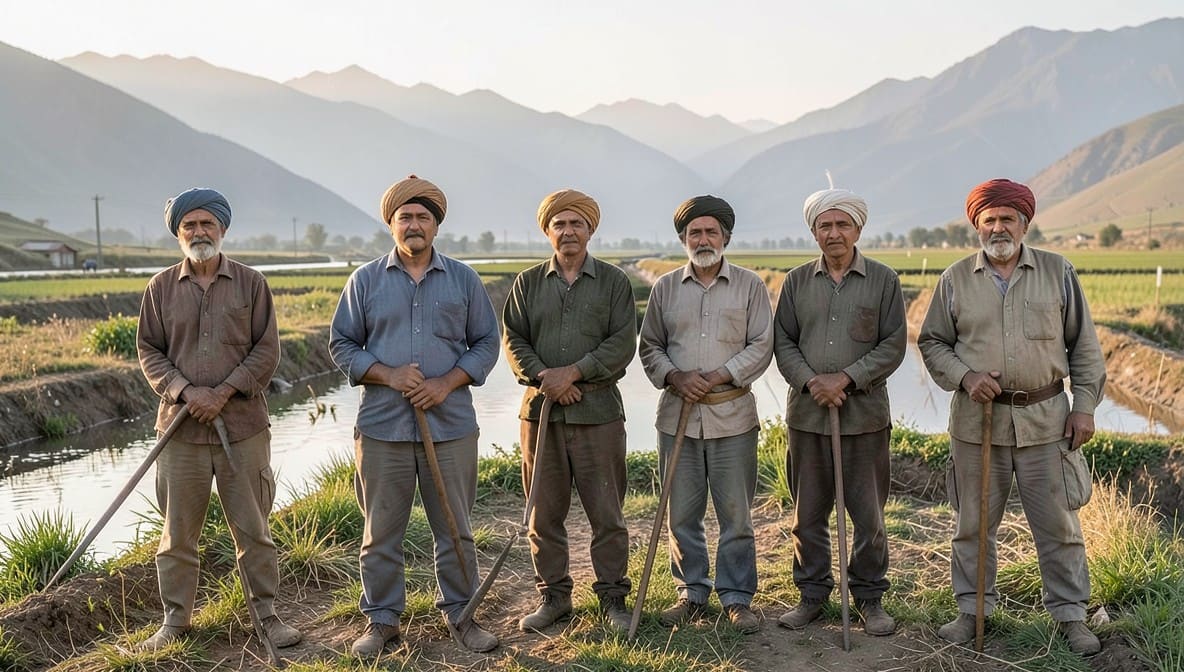
- The petitioners have been engaged as seasonal labourers since 1998 in the Irrigation Department of Jammu & Kashmir
- Their employment is strictly limited to the irrigation season, with no year-round duties
- Respondents 6 to 9 were also initially engaged as seasonal labourers but were later regularized as permanent casual labourers in 2014
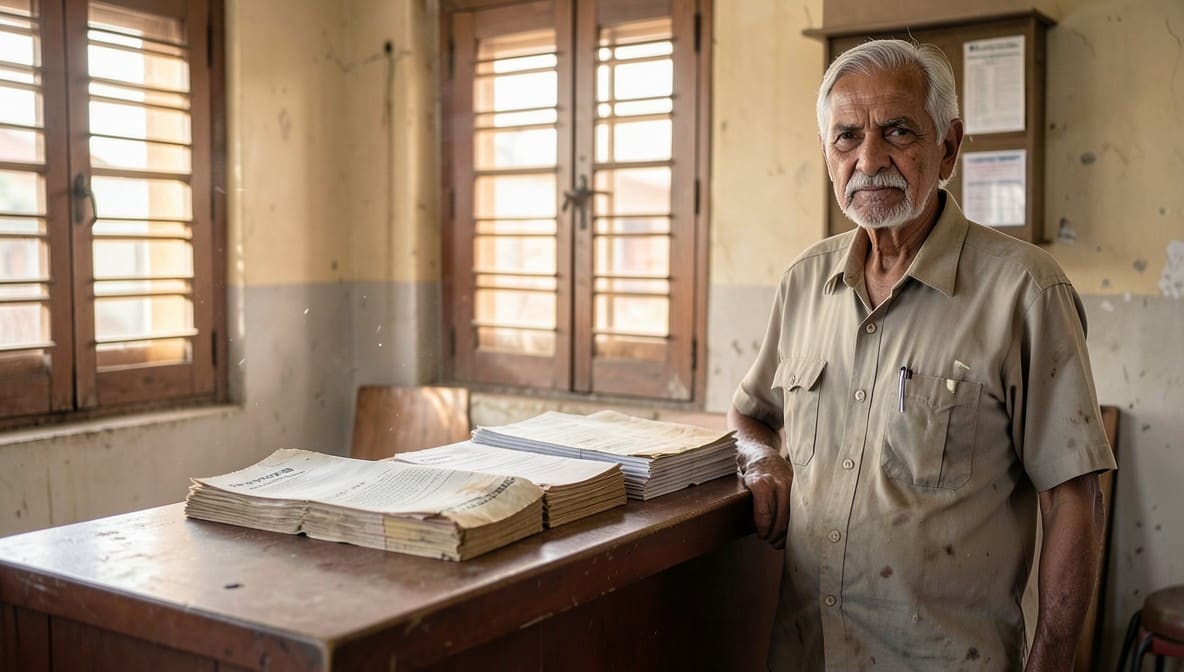
- The regularization of respondents 6 to 9 was based on their absorption into watch and ward duties, which required year-round availability
- The petitioners were never assigned to watch and ward duties
- The petitioners are lower in seniority compared to respondents 6 to 9
- As of 2020, over 3,000 seasonal labourers were working across Kashmir under identical seasonal conditions
- A government-wide blanket ban on new engagements was in force at the time of the impugned order
Procedural History
- 1998: Petitioners began seasonal employment in the Irrigation Department
- 30.06.2014: Order No. 700-02 issued, regularizing respondents 6 to 9 as permanent casual labourers for watch and ward duties
- 24.12.2020: Order No. 9033-34 issued, rejecting petitioners’ claim for parity
- 01.01.2021: Writ Petition (WP(C) 329/2021) filed before the High Court of Jammu & Kashmir and Ladakh
- 30.04.2026: Case reserved for judgment
- 12.05.2026: Judgment pronounced
Relief Sought
The petitioners sought:
- Quashing of Order No. 9033-34 dated 24.12.2020
- A writ of mandamus directing the state to grant them permanent casual labour status
- Equal pay, benefits, and job security as extended to respondents 6 to 9
The Legal Issue
The central question was whether the denial of parity to seasonal labourers, who were similarly engaged as respondents 6 to 9, violates Article 14 of the Constitution in the absence of any intelligible differentia or rational nexus with the object of public employment policy.
Arguments Presented
For the Petitioner
The petitioners contended that they and respondents 6 to 9 were identically placed as seasonal labourers engaged under the same scheme since 1998. They argued that the state’s decision to regularize one group while excluding others, without any objective criteria, amounted to arbitrary and hostile discrimination. Reliance was placed on E.P. Royappa v. State of Tamil Nadu and Maneka Gandhi v. Union of India to assert that equality prohibits arbitrariness. They further cited D.S. Nakara v. Union of India to argue that classification without a rational basis is unconstitutional.
For the Respondent
The state countered that respondents 6 to 9 were regularized not merely because they were seasonal labourers, but because they were absorbed into watch and ward duties requiring year-round presence, seniority, and administrative exigencies. The petitioners, by contrast, remained strictly seasonal workers with no year-round responsibilities. The state also invoked the blanket ban on new engagements and the existence of over 3,000 similarly situated labourers, arguing that judicial intervention would encroach upon executive policy. Reliance was placed on Secretary, State of Karnataka v. Umadevi (3) to assert that regularization cannot be claimed as a right de hors statutory framework.
The Court's Analysis
The Court began by affirming that Article 14 prohibits arbitrariness and mandates equal treatment for equals. It acknowledged that E.P. Royappa and Maneka Gandhi establish that any state action must be non-arbitrary and based on rational classification. However, the Court emphasized that equality does not mean identical treatment in all circumstances.
"It is trite law that equality under Article 14 of the Constitution postulates positive equality and not negative equality. Merely because some benefit may have been extended in favour of another set of employees, the same by itself does not confer an enforceable right upon the petitioners to claim identical relief contrary to the governing statutory framework."
The Court examined the distinction between the petitioners and respondents 6 to 9 and found it legally significant: respondents were absorbed into watch and ward duties, which required continuous presence, seniority-based selection, and administrative necessity. The petitioners, however, were engaged solely during the irrigation season with no year-round duties. This difference in nature of duties, availability, and administrative context constituted an intelligible differentia with a rational nexus to the object of public employment.
The Court further relied on Secretary, State of Karnataka v. Umadevi (3) to underscore that courts cannot direct regularization or absorption unless the appointment itself complies with constitutional and statutory norms. The state’s blanket ban on new engagements and the scale of seasonal employment (over 3,000 workers) reinforced that the decision was a policy matter beyond judicial review unless patently arbitrary or mala fide.
The Court concluded that the petitioners failed to establish that the differential treatment was irrational or discriminatory. The state’s action was not arbitrary but rooted in functional and administrative distinctions.
The Verdict
The writ petition was dismissed. The Court held that the petitioners are not entitled to parity with respondents 6 to 9 as their employment conditions, duties, and seniority differ materially. No direction for regularization, pay parity, or benefits was issued. Interim orders, if any, were vacated. The record was directed to be returned to the Government Advocate.
What This Means For Similar Cases
Parity Requires Identity in Function, Not Just Initial Engagement
- Practitioners must demonstrate complete identity in nature of duties, tenure, seniority, and administrative context to claim parity under Article 14
- Mere similarity in initial hiring (e.g., both being seasonal labourers) is insufficient without proof of identical roles and responsibilities
- Courts will examine whether the differential treatment has a rational nexus to the purpose of the classification
Judicial Restraint in Public Employment Policy
- Courts will not interfere with executive decisions on regularization where a blanket policy exists and no illegality or arbitrariness is shown
- The Umadevi principle remains binding: regularization cannot be claimed as a right unless the appointment was lawful
- Claims for parity must be grounded in statutory or constitutional entitlements, not perceived inequities
Seniority and Administrative Exigencies Are Legitimate Differentia
- Seniority lists and administrative exigencies (e.g., need for year-round watch and ward staff) are valid grounds for differential treatment
- Petitioners must rebut such grounds with concrete evidence of identical conditions
- Absence of such rebuttal renders claims for parity legally unsustainable