The Bombay High Court has clarified that while anticipatory bail is a constitutional safeguard, it does not shield an accused who deliberately misrepresents material evidence during investigation. The dismissal of the application underscores that cooperation with law enforcement cannot be selective, particularly when it involves the concealment of digital evidence critical to proving criminal intent.
Background & Facts
The Dispute
The applicant, Pramanand Narayan Timmewar, seeks anticipatory bail in connection with Crime No. 30/2025, registered on 05.02.2025 at Osmanpura Police Station, Chhatrapati Sambhajinagar. The case involves alleged offences under Sections 61(2), 74, 333, 324(4), 329(1), 352, 351(3), 115(2), and 3(5) of the Bharatiya Nyaya Sanhita, 2023, arising from an incident on 04.02.2025 at approximately 5:24 p.m., when two unknown persons allegedly entered the informant’s office and caused property damage valued at Rs. 2 lakhs.
Key Facts
- The First Information Report (FIR) does not name the applicant as one of the perpetrators.
- The applicant was granted interim protection from arrest by order dated 25.03.2025.
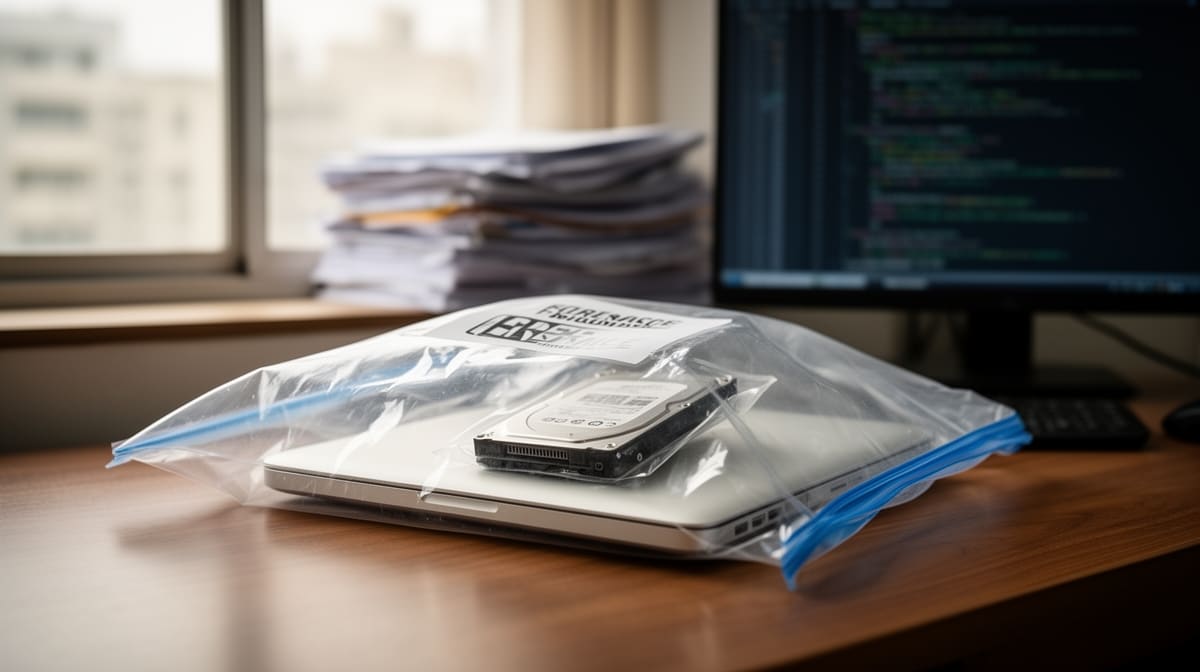
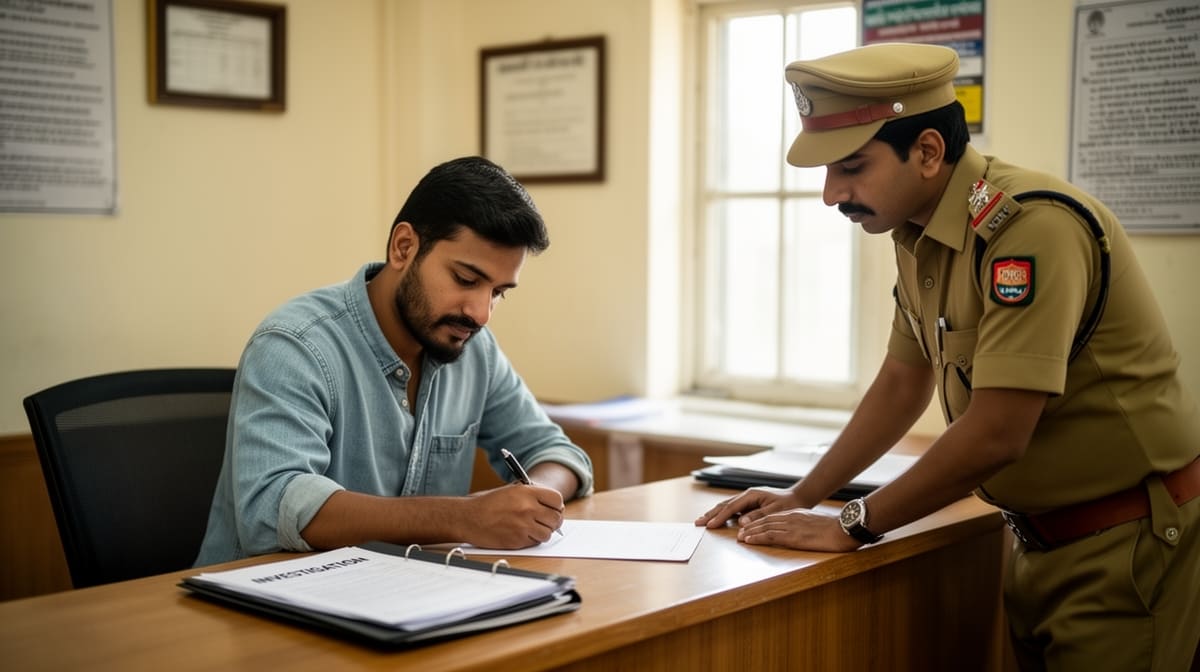
- The Investigating Agency requested the applicant to surrender the mobile phone allegedly used during the commission of the offence.
- The applicant surrendered a mobile phone bearing an IMEI number different from the one recorded in the Call Detail Records (CDR) from the relevant time period.
- CDRs indicate approximately 35 WhatsApp calls between the applicant and a co-accused, with several records allegedly deleted.
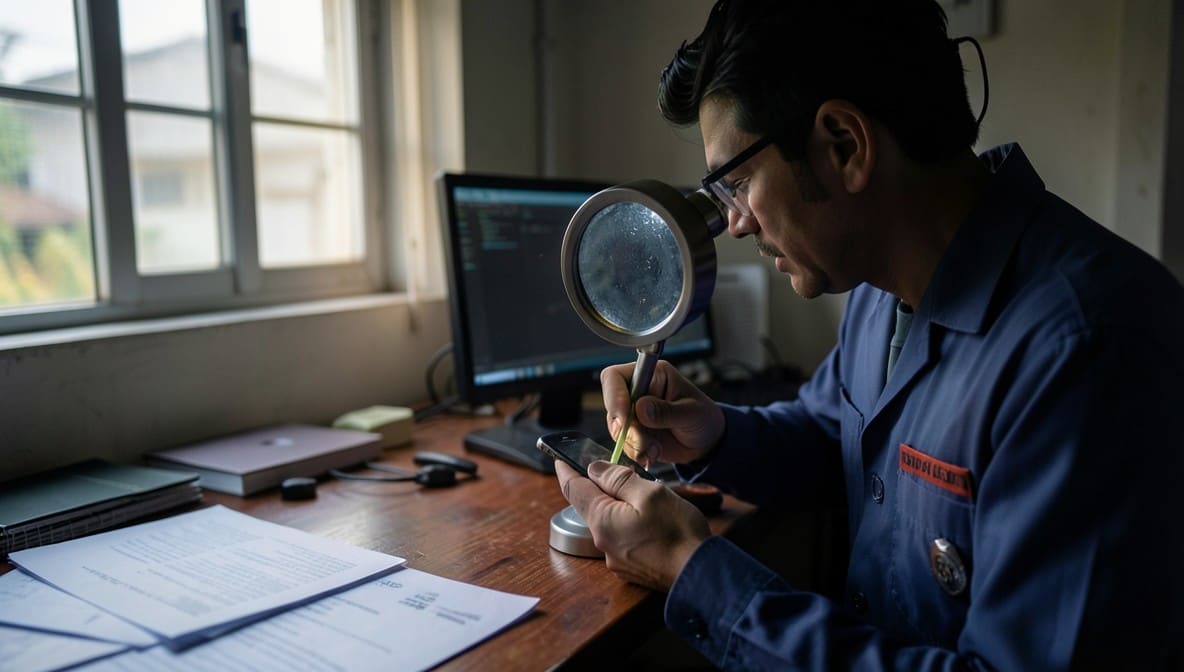
- The applicant’s submitted mobile phone’s IMEI number was found to be invalid according to the Department of Telecommunication’s public database.
- The applicant has not produced the mobile phone allegedly used during the incident.
Procedural History
- 04.02.2025: Alleged offence occurred at the informant’s office.
- 05.02.2025: Crime No. 30/2025 registered at Osmanpura Police Station.
- 25.03.2025: Interim protection from arrest granted to the applicant.
- 17.06.2026: Anticipatory Bail Application No. 480 of 2025 heard before the Bombay High Court, Aurangabad Bench.
The Parties' Positions
Applicant’s Position: The applicant argues he is not named in the FIR, has no motive, and has cooperated fully by surrendering a mobile phone and complying with the interim order. He relies on Vinay Kumar Gupta v. State of Madhya Pradesh to assert that constitutional protection against self-incrimination precludes compelled surrender of personal devices.
Respondent’s Position: The State contends that the applicant’s submission of a mobile phone with a mismatched IMEI number constitutes deliberate misrepresentation. Independent evidence, including CDRs and deleted WhatsApp call logs, links him to the co-accused. The applicant’s conduct violates the condition of cooperation attached to interim relief.
Relief Sought
The applicant seeks anticipatory bail to prevent arrest and continuation of the interim protection granted on 25.03.2025.
The Legal Issue
The central question is whether an applicant’s deliberate misrepresentation of material evidence - specifically, surrendering a mobile phone with a falsified IMEI number - during an ongoing investigation nullifies the protection granted under interim anticipatory bail, thereby justifying custodial interrogation for recovery of the actual device.
Arguments Presented
For the Appellant/Petitioner
The applicant’s counsel argued that since the applicant is not named in the FIR and has no direct involvement in the physical damage, his detention is unwarranted. He emphasized that Vinay Kumar Gupta v. State of Madhya Pradesh establishes that the right against self-incrimination under Article 20(3) of the Constitution protects an accused from being compelled to surrender devices that may contain incriminating data. He further contended that the IMEI discrepancy could be technical or clerical, and that cooperation does not equate to surrendering constitutional rights.
For the Respondent/State
The State’s counsel argued that the applicant’s conduct - submitting a mobile phone with a demonstrably different IMEI number than the one used during the incident - constitutes obstruction of justice. The CDRs, showing 35 WhatsApp calls with the co-accused and deleted records, provide independent corroboration beyond the co-accused’s statement. The interim protection was expressly conditional upon full cooperation, which the applicant breached. The State further submitted that recovery of the actual device is essential for forensic analysis and cannot be achieved without custodial interrogation.
The Court's Analysis
The Court acknowledged that the applicant was not directly implicated in the physical act of damage, and that anticipatory bail is generally available in such cases. However, the Court emphasized that the grant of interim relief was not unconditional. The applicant’s conduct in producing a mobile phone with a mismatched IMEI number, in direct contradiction to the CDRs, was found to be a prima facie act of deception.
"No such protection can be claimed when the Investigating Agency seeks recovery and seizure of a material object such as a mobile handset."
The Court distinguished Vinay Kumar Gupta by noting that the constitutional protection against self-incrimination does not extend to the surrender of physical, tangible evidence. A mobile phone is not a testimonial document but a material object whose possession and use are relevant to the investigation. The Court held that the applicant’s failure to produce the device used during the incident undermines the integrity of the investigation and constitutes a breach of the terms of interim protection.
The Court further noted that the deletion of WhatsApp call records and the pattern of communication between the applicant and the co-accused provided independent evidence of involvement, rendering the prosecution’s case non-reliant solely on the co-accused’s statement. The Court concluded that custodial interrogation was necessary to recover the actual device, which may contain critical digital evidence.
The Verdict
The anticipatory bail application was dismissed. The Court held that custodial interrogation of the applicant is necessary for the recovery of the mobile phone allegedly used during the commission of the offence. The interim protection granted on 25.03.2025 shall remain stayed for a period of four weeks from 17.06.2026, during which the applicant may be arrested for custodial interrogation.
What This Means For Similar Cases
Cooperation with Investigation Is Not Optional
- Practitioners must advise clients that interim bail conditions requiring cooperation are legally enforceable.
- Surrendering a substitute device or providing misleading digital evidence will be treated as obstruction, not constitutional protection.
- Courts will not tolerate manipulation of material evidence, even in non-violent property offences.
Mobile Devices Are Material Objects, Not Testimonial Evidence
- The Vinay Kumar Gupta precedent does not protect the concealment of physical devices used in crimes.
- IMEI numbers, call logs, and location data are admissible as objective evidence, not self-incriminating testimony.
- Forensic recovery of mobile phones is now recognized as a legitimate investigative necessity, not a violation of Article 20(3).
Delayed Compliance Cannot Substitute Genuine Cooperation
- Delayed or partial compliance after interim protection is granted will not cure prior misconduct.
- Courts will assess conduct holistically: timing, consistency, and transparency matter more than mere presence in court.
- Applicants must proactively disclose all devices used during the relevant period, not wait for demands.