The Bombay High Court has established important parameters for granting anticipatory bail in cases involving contraband goods under the Food Safety and Standards Act, 2006 and Bhartiya Nyaya Sanhita, 2023. The judgment clarifies that while the gravity of the offence may be serious, courts must consider factors like seizure of contraband, cooperation with investigation, and the role of accused persons in determining bail conditions.
Background & Facts
The Dispute
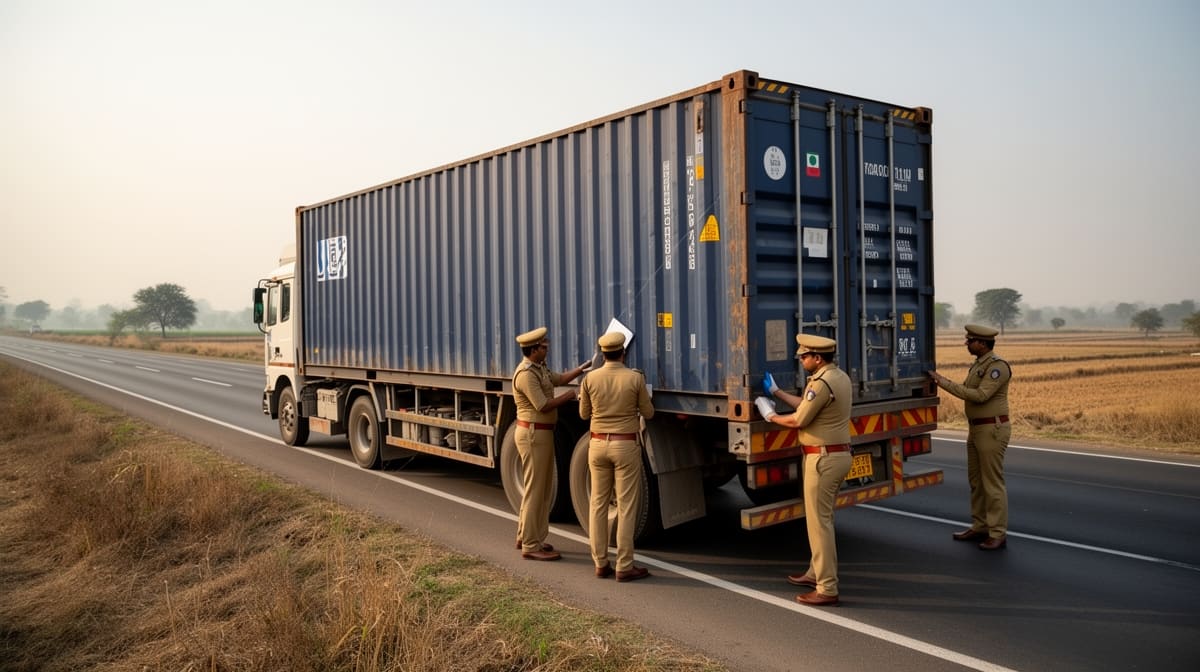
The case involves the seizure of a container transporting contraband scented tobacco. The applicants include the driver, cleaner, seller, and purchaser of the contraband goods. The First Information Report (FIR) was registered under Section 26(1), 26(2)(iv), 27(3)(e), 3, 30(2)(a), and 59 of the Food Safety and Standards Act, 2006, and Sections 123, 223, 274, 275, and 3(5) of the Bhartiya Nyaya Sanhita, 2023. The contraband was seized by police, but the driver and cleaner initially did not cooperate with the investigation.
Procedural History
The applications for anticipatory bail were filed before the Bombay High Court, Nagpur Bench, in three separate criminal applications:
- Criminal Application (ABA) No. 80 of 2026: Filed by Kamlesh Chotelal Vanvasi (cleaner)
- Criminal Application (ABA) No. 82 of 2026: Filed by Vinod Kumar Yadav (driver)
- Criminal Application (ABA) No. 85 of 2026: Filed by Kamal Mahesh Kumar Chotiya and Kuldeep Bhardra (seller and purchaser)
Relief Sought
The applicants sought anticipatory bail, arguing that the contraband had already been seized and that they were willing to cooperate with the investigation. They requested ad-interim protection pending the final hearing of their applications.
The Legal Issue
The central question before the Court was whether anticipatory bail should be granted in cases involving serious offences under the Food Safety and Standards Act, 2006 and Bhartiya Nyaya Sanhita, 2023, particularly when the contraband has been seized and the accused are willing to cooperate with the investigation.
Arguments Presented
For the Applicants
The counsel for the applicants contended that:
- The contraband had already been seized, reducing the risk of further harm.
- The applicants were willing to cooperate with the investigation.
- The driver and cleaner had been allowed to leave earlier, indicating their limited role in the offence.
- Ad-interim protection was necessary to prevent unnecessary arrest and harassment.
For the State
The learned Additional Public Prosecutors (APPs) opposed the applications on the grounds that:
- The offence involved a large quantity of contraband scented tobacco, indicating seriousness.
- The driver and cleaner had initially failed to cooperate with the investigation by not reporting to the police station.
- The gravity of the offence warranted denial of anticipatory bail.
The Court's Analysis
The Court examined the facts and the legal provisions involved. It noted that the contraband had already been seized, which mitigated the risk of further harm. The Court also considered the roles of the applicants, distinguishing between the driver, cleaner, seller, and purchaser. While acknowledging the seriousness of the offence, the Court emphasized the importance of cooperation with the investigation and the seizure of contraband as factors favoring the grant of anticipatory bail.
The Court observed:
"Since, the contraband has already been seized, prima facie a case is made out for grant of ad-interim anticipatory bail to the applicants till the matter is decided on merits after perusing the case-diary, which is not available today."
The Court further held that the applicants should be granted ad-interim protection subject to conditions, including regular attendance at the police station and cooperation with the investigation.
The Verdict
The Court allowed the applications for anticipatory bail and directed that the applicants be released on bail in the event of arrest, subject to the following conditions:
- Each applicant must furnish a personal recognizance (P.R.) bond of Rs. 25,000 with one surety in the like amount.
- The applicants must attend the concerned police station every Tuesday and Friday for two weeks between 10:00 AM and 12:00 PM to cooperate with the investigation.
What This Means For Similar Cases
Seizure of Contraband Mitigates Risk
The judgment establishes that the seizure of contraband is a critical factor in determining whether anticipatory bail should be granted. Practitioners can argue that where the contraband has been seized, the risk of further harm is reduced, and bail should be considered favorably.
Cooperation with Investigation Is Key
- Courts are likely to impose conditions requiring the accused to cooperate with the investigation, such as regular attendance at the police station.
- Failure to cooperate may result in the denial or cancellation of bail.
- Practitioners should emphasize the willingness of their clients to cooperate as a ground for bail.
Role of Accused Matters
The Court distinguished between the roles of the driver, cleaner, seller, and purchaser. Practitioners should highlight the limited involvement of their clients in the offence to strengthen their case for bail.
Gravity of Offence Not Sole Determinant
While the gravity of the offence is a relevant factor, it is not the sole determinant for denying anticipatory bail. Courts must balance the seriousness of the offence with other factors, such as seizure of contraband and cooperation with the investigation.