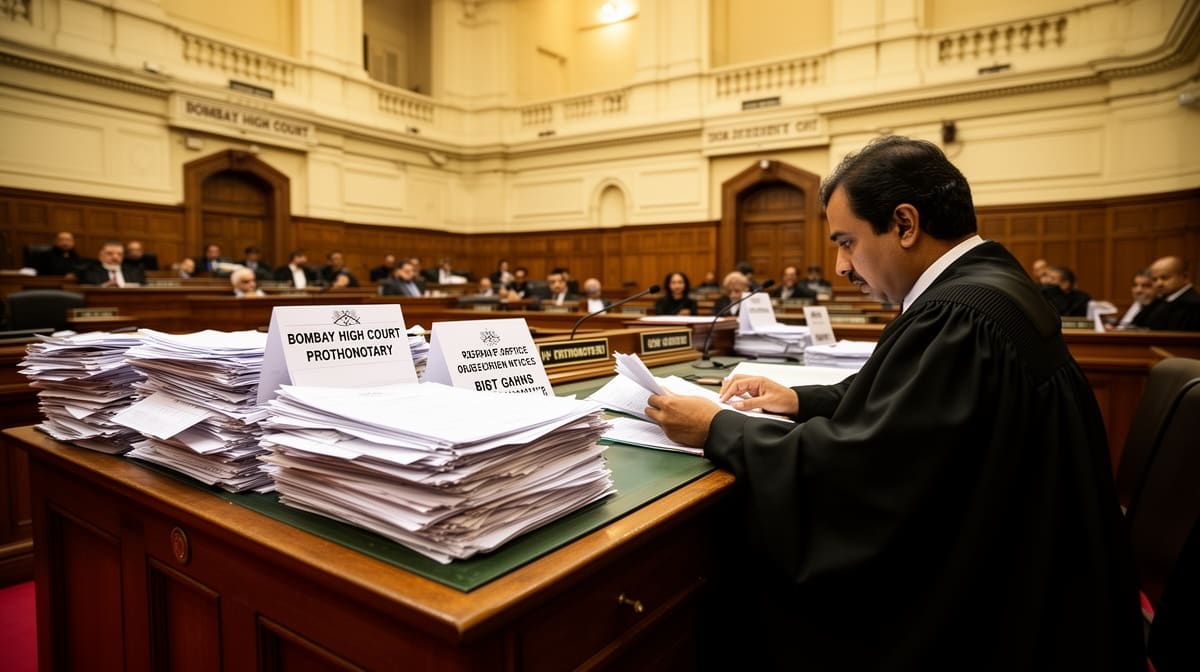
The dismissal of this writ petition for default underscores a fundamental principle of civil procedure: active participation is non-negotiable. When counsel reports no instructions, the court has no choice but to treat the petition as abandoned, regardless of the underlying merits.
Background & Facts
The Dispute
The petitioner, Anwar T.K., sought to set aside an ex parte order passed by the Motor Vehicle Accident Claims Tribunal, Perumbavoor, which had dismissed his claim for compensation arising from a road accident. He alleged procedural irregularities in the Tribunal’s proceedings and sought relief through a writ petition under Article 226 of the Constitution.
Procedural History
The case progressed as follows:
- January 18, 2023: Motor Vehicle Accident Claims Tribunal passed an ex parte order dismissing the petitioner’s claim.
- 2023: Petitioner filed a petition before the Tribunal seeking to set aside the ex parte order, accompanied by a delay condonation application.
- 2026: Writ petition filed in the Kerala High Court challenging the Tribunal’s order.
- February 13, 2026: Petition came up for admission before Justice Mohammed Nias C.P.
Relief Sought
The petitioner sought quashing of the ex parte order of the Tribunal and direction for a fresh hearing on merits, along with costs.
The Legal Issue
The central question was whether a writ petition under Article 226 can be maintained when the petitioner’s counsel, appearing on record, reports no instructions from the client, thereby rendering the petition unopposed and unargued.
Arguments Presented
For the Petitioner
No arguments were presented. The petitioner’s counsel of record informed the Court that they had received no instructions from the petitioner to proceed with the petition. No application for adjournment, no explanation for non-appearance, and no written submissions were filed.
For the Respondent
The respondents did not appear or file any counter-affidavit. As the petition was unargued and unopposed, no substantive counter-arguments were advanced before the Court.
The Court's Analysis
The Court examined the procedural posture of the petition and found that the petitioner had failed to discharge the basic duty of active prosecution. The presence of counsel is not a mere formality; it is a substantive obligation to represent the client’s case with diligence. When counsel reports no instructions, the Court cannot assume that the petitioner’s grievance is meritorious or that the petition is ready for adjudication.
"The learned counsel who was appearing for the petitioner reports no instruction. This is recorded."
The Court emphasized that writ jurisdiction, though discretionary, is not a forum for litigants to test the waters without commitment. The absence of any explanation for non-appearance, no application for adjournment, and no filing of written submissions collectively amounted to abandonment of the petition. The Court declined to speculate on the merits of the claim, noting that procedural fairness requires both parties to engage meaningfully.
The Verdict
The petitioner lost. The Court dismissed the writ petition for default, holding that failure to provide instructions to counsel and non-appearance without explanation constitutes abandonment of the petition, warranting dismissal under established procedural norms.
What This Means For Similar Cases
Procedural Compliance Is Non-Negotiable
- Practitioners must ensure clients are actively engaged before filing writ petitions
- Counsel must confirm instructions before court dates; failure to do so risks dismissal
- Courts will not entertain petitions where the petitioner’s side is silent, even if respondents are absent
No Merits Review Without Active Prosecution
- Merits of a claim cannot be examined if the petitioner does not argue the case
- Dismissal for default is not a reflection on the strength of the claim but on procedural failure
- Petitioners must treat court dates as binding obligations, not optional appearances
Counsel’s Duty Is Fiduciary
- Advocates are not mere form-fillers; they bear a duty to represent with diligence
- Reporting "no instructions" without seeking adjournment or withdrawing is professionally inadequate
- Courts expect counsel to either proceed with prepared arguments or formally withdraw with client consent