The High Court of Kerala has reaffirmed that a sincere, unconditional apology coupled with tangible remedial action can discharge contempt proceedings, even where the conduct involves deliberate forgery and deception of the court. This judgment clarifies the threshold for accepting apologies under the Contempt of Courts Rules and underscores that judicial forgiveness is not a concession but a restoration of institutional integrity.
Background & Facts
The Dispute
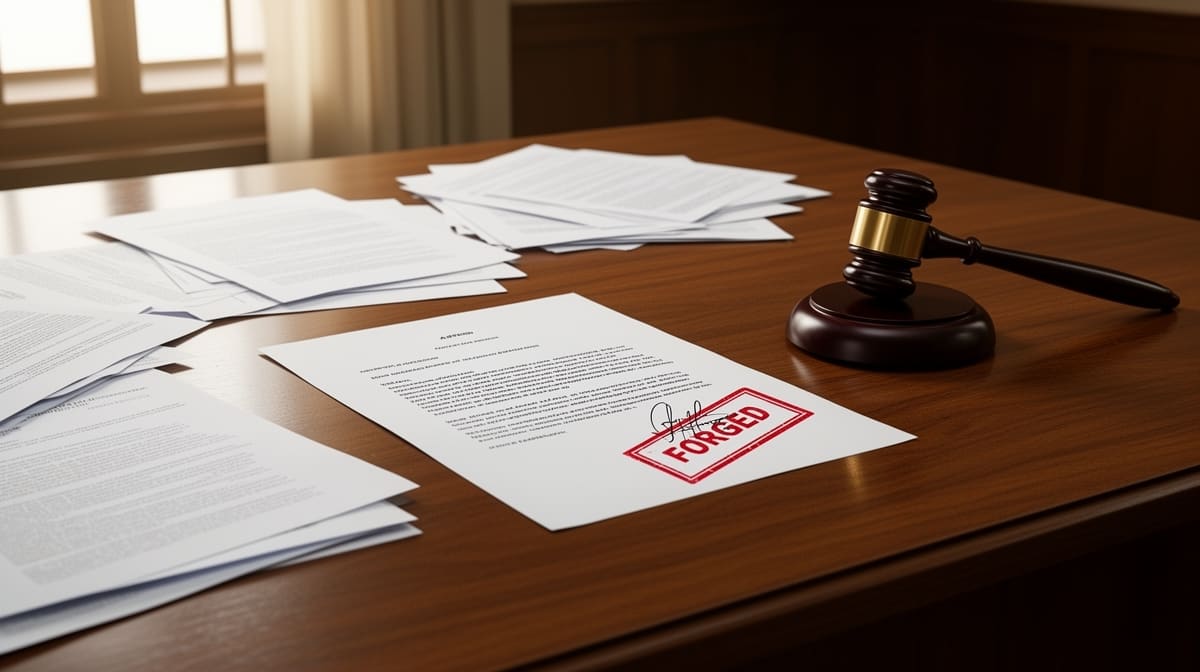
The respondent, Shibu Mohan, filed a writ petition and subsequent writ appeal in the name of his wife, Smt. Abhila Madhavan Nair, without her knowledge or consent. The petitions sought to challenge the impounding of his passport by authorities, who had acted on the basis of a pending criminal case under Section 420 of the Indian Penal Code. To file these petitions, the respondent forged his wife’s signature on the vakalatnama and affidavit, thereby misrepresenting her as the petitioner.
Procedural History
- 2024: Writ Petition (WP(C) No. 18665 of 2024) filed by respondent in wife’s name; dismissed by Single Judge on 06.06.2024.
- 2024: Writ Appeal (WA No. 942 of 2024) filed in wife’s name; Division Bench issued interim order permitting respondent to return to India to seek magistrate’s permission to travel.
- 2024: Counsel for wife filed complaint with police and passport authorities alleging forgery and lack of consent.
- 2024: Registrar (Judicial) conducted inquiry and confirmed forgery of wife’s signature on all court documents.
- 2025: Division Bench dismissed the writ appeal and held that the respondent’s conduct constituted contempt.
- 2025: Respondent attempted to leave India in violation of interim order; deboarded by FRRO.
- 2026: Suo motu contempt proceedings initiated by the High Court.
Relief Sought
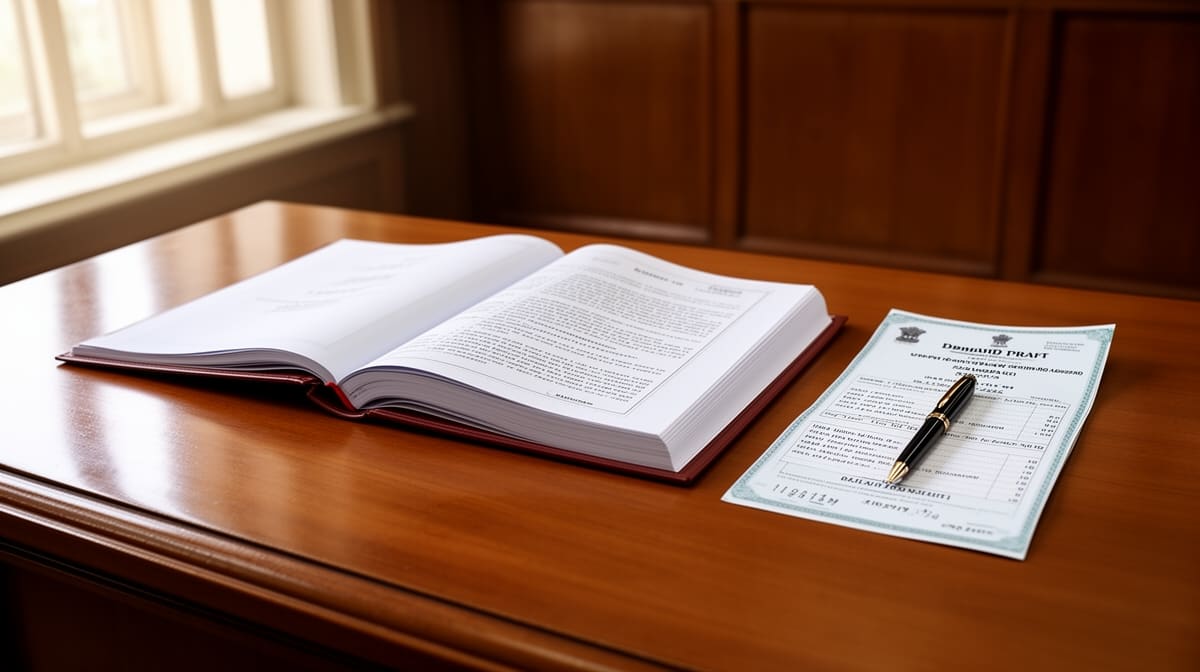
The respondent sought discharge from contempt proceedings by tendering an unconditional apology, paying Rs. 1,50,000 to the Kerala Legal Services Authority, and remitting Rs. 1,50,000 to his wife via demand draft as directed by the Court.
The Legal Issue
The central question was whether an unconditional apology, supported by restitution and compliance with court directions, can satisfy the requirements of Rule 14(a) of the Contempt of Courts (High Court of Kerala) Rules, 1988, and warrant discharge from contempt proceedings despite the seriousness of the misconduct.
Arguments Presented
For the Respondent
The respondent, through senior counsel, submitted that his apology was genuine, unequivocal, and made in full compliance with Rule 14(a). He acknowledged the forgery, expressed remorse, and took concrete steps to rectify the harm: paying Rs. 1,50,000 to the Kerala Legal Services Authority and Rs. 1,50,000 to his wife via demand draft. He emphasized that his actions were driven by desperation to resolve a personal legal issue, not an intent to undermine the judiciary.
For the State
The State did not oppose discharge, acknowledging the respondent’s compliance with the Court’s directions and the absence of any attempt to evade consequences. The Government Pleader accepted that the apology met the standard of sincerity and that restitution had been fully effected.
The Court's Analysis
The Court examined the nature of contempt as a tool to protect the dignity and authority of the judiciary, not to punish for its own sake. It held that while the respondent’s conduct - forging a spouse’s signature and misrepresenting her as a litigant - was a serious breach of judicial trust, the response must be proportionate and restorative.
"The apology does not appear to be a mere formality or an attempt to evade consequences; rather, it reflects a clear acknowledgment of the lapse on the part of the contemnor and an expression of regret in terms contemplated by the Rules."
The Court emphasized that Rule 14(a) requires more than a verbal expression of regret - it demands a complete, unqualified admission of wrongdoing and demonstrable corrective action. The respondent’s payment of Rs. 3,00,000 in total, including direct restitution to the aggrieved party, was deemed a material factor in establishing sincerity. The Court also noted that the respondent appeared in person, submitted multiple affidavits to meet procedural requirements, and complied with all directions without resistance.
The judgment distinguished this case from those where apologies are tactical or incomplete. It held that the judiciary’s power to punish contempt must be balanced with its duty to preserve institutional credibility through rehabilitation where possible.
The Verdict
The respondent was discharged from contempt proceedings. The Court held that an unconditional apology, supported by tangible restitution and strict compliance with court directions, satisfies the requirements of Rule 14(a) and warrants discharge, even in cases involving forgery and deception of the court.
What This Means For Similar Cases
Apology Must Be Substantive, Not Superficial
- Practitioners must advise clients that a mere verbal apology is insufficient; courts require written admissions of guilt, specific acknowledgment of the misconduct, and demonstrable corrective action.
- Payments to legal aid funds or restitution to aggrieved parties significantly strengthen the credibility of an apology.
Forgery in Court Documents Is Not Automatically Punishable by Imprisonment
- While forgery of signatures in court filings is grave, this case establishes that it does not invariably lead to incarceration if remedial steps are taken promptly and sincerely.
- Courts may now consider the totality of conduct - including remorse, restitution, and compliance - as mitigating factors under Rule 14(a).
Procedural Compliance Is Non-Negotiable
-
Affidavits tendered in contempt proceedings must strictly conform to Rule 14(a); deviations will result in rejection and further directions.
-
Lawyers must ensure affidavits are drafted with precision, avoiding boilerplate language and explicitly addressing each element of the charge.
-
Always file a separate, detailed affidavit of apology under Rule 14(a), not a general statement.
-
Include proof of restitution (bank receipts, demand drafts, legal aid payment slips) as annexures.
-
Never assume that a client’s remorse alone will suffice - courts demand objective evidence of contrition.