The Bombay High Court recently dismissed an appeal challenging the dismissal of interim relief applications in a property title dispute, reinforcing that alternate plot allotment under a town planning scheme does not automatically confer ownership rights without proper legal modification. The judgment underscores the importance of timely legal action and proper documentation in property disputes involving statutory schemes.
Background & Facts
The Dispute
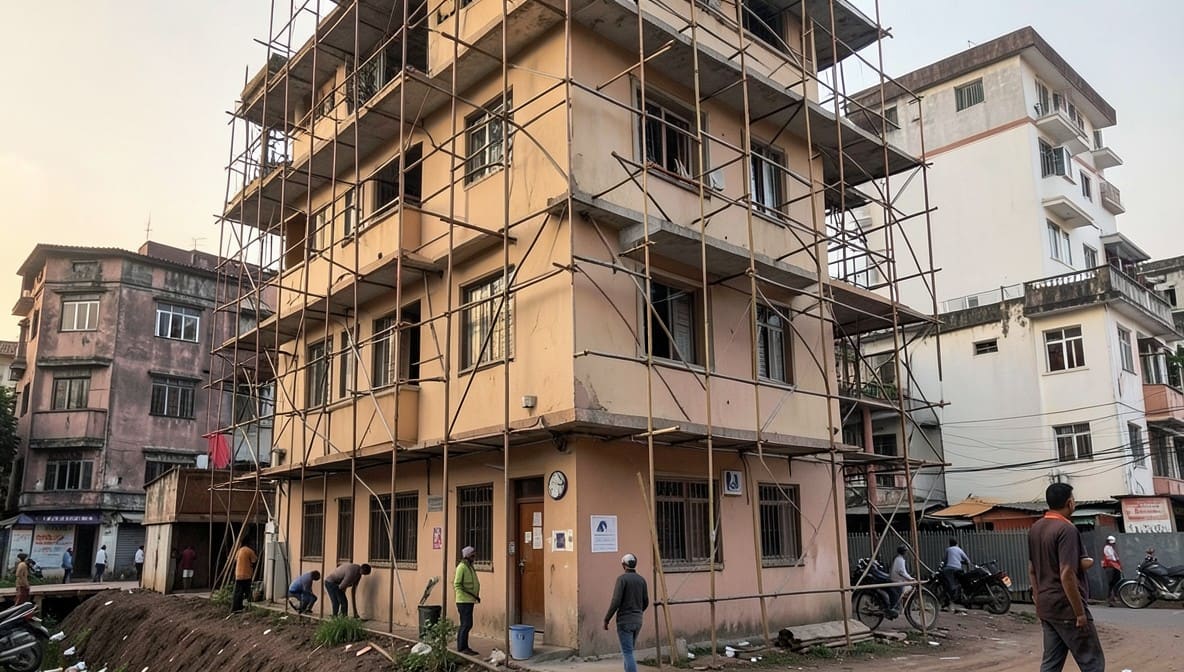
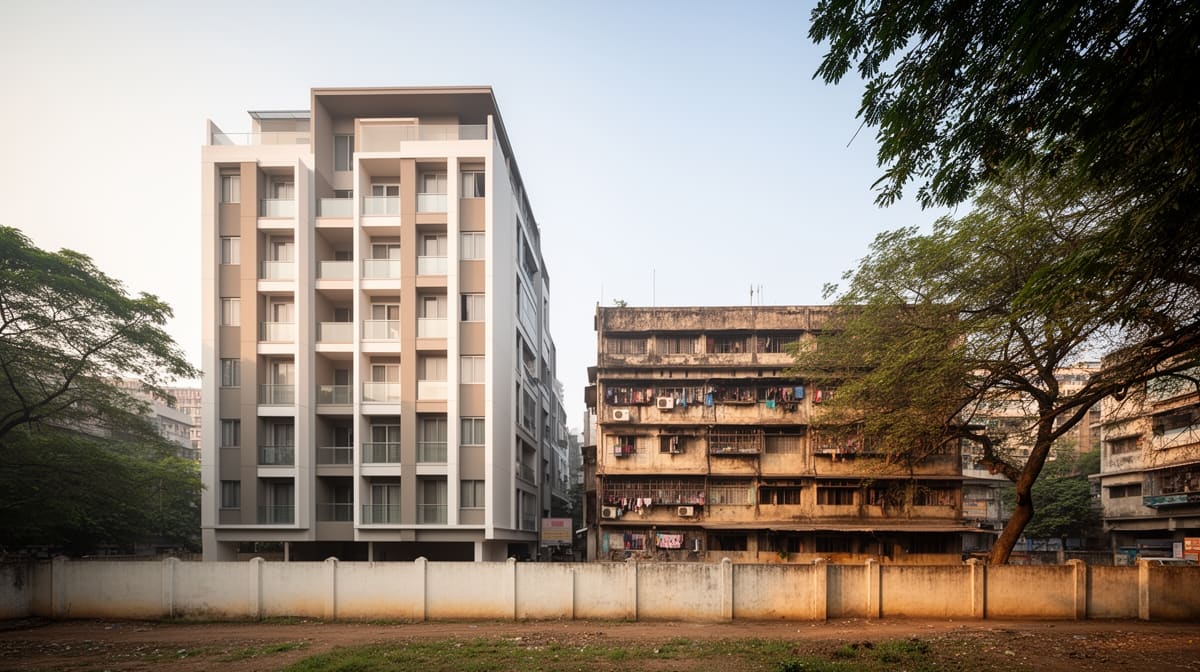
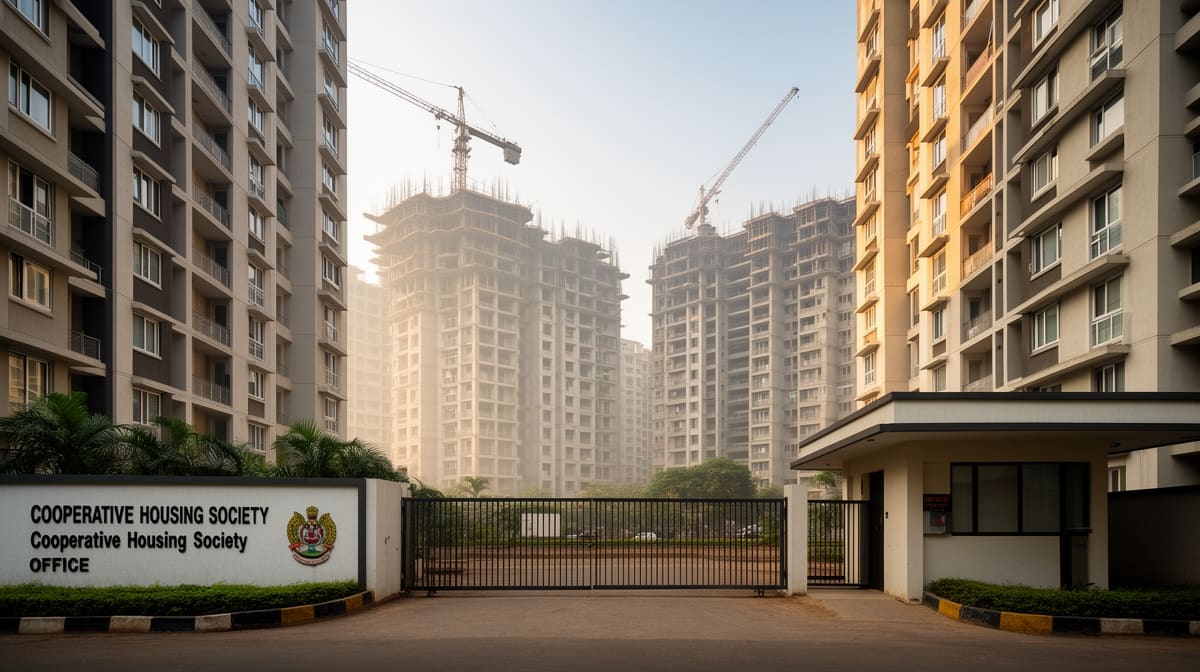
The appellant, Allarakha Ismail, claimed ownership of Final Plot No. 190 in Vile Parle (East), Mumbai, based on a registered conveyance deed dated 30.09.1985 for CTS No. 1582 (1 and 2). The plot was originally owned by Bhagatsingh Solanki and acquired by the Municipal Corporation of Greater Mumbai (MCGM) for road widening. In lieu of the acquisition, Final Plot No. 190 was allotted to Bhagatsingh Solanki under the Town Planning Scheme. The appellant contended that the Defendant No. 1 Society (Vardhan Apartment CHS Ltd.) was an encroacher on the plot, having constructed a building without valid title.
Key Facts
16.12.1964: Appellant granted lease of CTS No. 1582 (1 and 2) for 99 years
30.09.1985: Appellant purchased CTS No. 1582 (1 and 2) via registered conveyance deed for Rs. 20,000
1972-1980: Town Planning Scheme proceedings for acquisition of CTS No. 1582 (1 and 2) and CTS No. 1583
26.04.1976: Final Plot No. 190 allotted to Bhagatsingh Solanki in lieu of original plots
01.01.1979: Bhagatsingh Solanki expired
10.02.1986: Appellant informed Arbitrator about ownership rights under 1985 conveyance and requested allotment of Final Plot No. 190
22.09.1988: Occupation certificate issued to Defendant No. 1 Society
23.11.2021: Deemed conveyance executed in favor of Defendant No. 1 Society
2023-2024: Appellant challenged deemed conveyance via writ petition and subsequent suit
Procedural History
11.08.2023: Writ Petition No. 635 of 2023 dismissed on grounds of delay, with liberty to file substantive suit
2024: L.C. Suit No. 1331 of 2024 filed before Bombay City Civil Court, seeking negative declaration, recovery of possession, and injunction
Notice of Motion No. 2156 of 2024: Sought restraint against creating third-party rights in constructed flats
Notice of Motion No. 2157 of 2024: Sought restraint against construction/development on suit property
23.08.2024: Trial Court rejected ad-interim relief
05.02.2025: Bombay HC set aside Trial Court’s order and directed final disposal of interim applications
09.05.2025: Trial Court dismissed both Notices of Motion
13.07.2026: Present appeal dismissed by Bombay HC
Relief Sought
The appellant sought:
Negative declaration that Defendants have no right, title, or interest in Final Plot No. 190
Recovery of possession of the suit property
Injunction restraining Defendants from carrying out development or creating third-party rights
Setting aside of the deemed conveyance dated 23.11.2021
The Legal Issue
The central question was whether the appellant, relying on a conveyance deed for CTS No. 1582 (1 and 2), could claim ownership of Final Plot No. 190 allotted under a Town Planning Scheme, despite the plot being allotted in lieu of both CTS No. 1582 and CTS No. 1583, the latter not being part of the appellant’s conveyance.
Arguments Presented
For the Appellant
The appellant relied on the registered conveyance deed dated 30.09.1985 and Index-II to establish ownership of CTS No. 1582 (1 and 2)
Final Plot No. 190 was allotted in lieu of CTS No. 1582 (1 and 2), which the appellant purchased under the 1985 deed
The Defendant No. 1 Society misrepresented its plot as CTS No. 1602 in its registration certificate
The appellant was not impleaded in the deemed conveyance proceedings, which referred to CTS No. 1582
The High Court’s prima facie observations in Writ Petition No. 635 of 2023 favored the appellant’s ownership claim
For the Respondents
The conveyance deed of 1985 made no mention of Final Plot No. 190 or the acquisition proceedings
Final Plot No. 190 was allotted in lieu of both CTS No. 1582 and CTS No. 1583, the latter not being part of the appellant’s conveyance
Bhagatsingh Solanki expired in 1979-1980, raising doubts about the authenticity of the 1985 conveyance
The building on Final Plot No. 190 was constructed pursuant to valid permissions, and the occupation certificate was issued in 1988
The appellant delayed instituting proceedings despite knowledge of the construction since 1986
The balance of convenience favored the Defendants, as the Society had been in existence since 1981 and the redeveloped building awaited occupation
The Court's Analysis
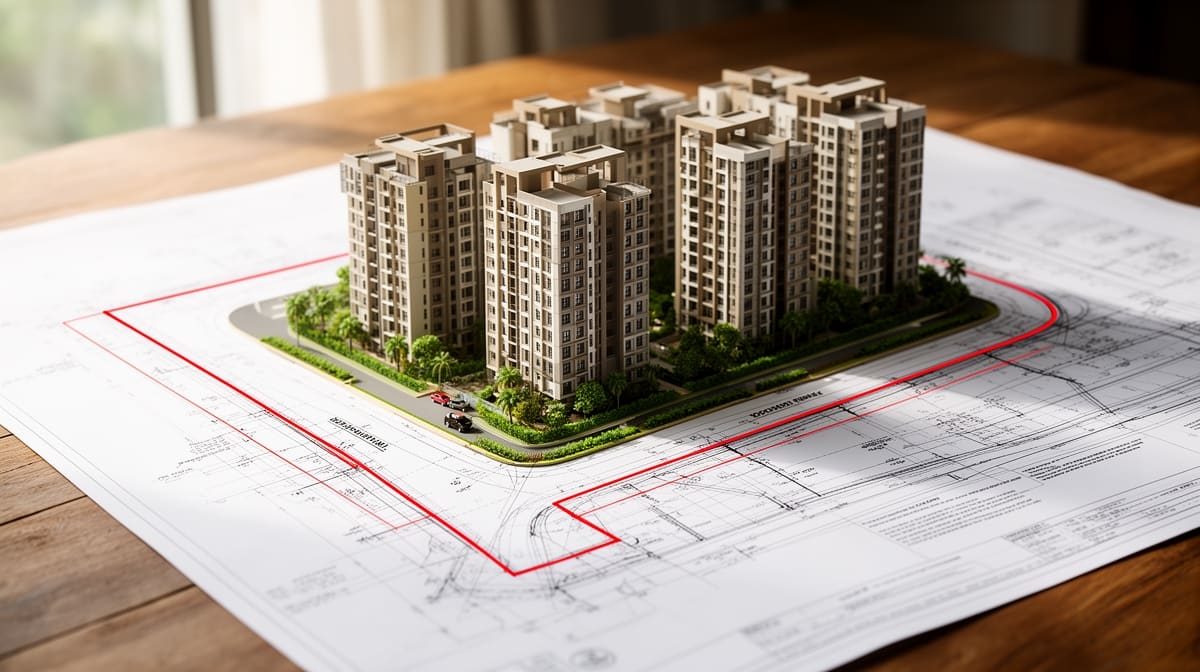
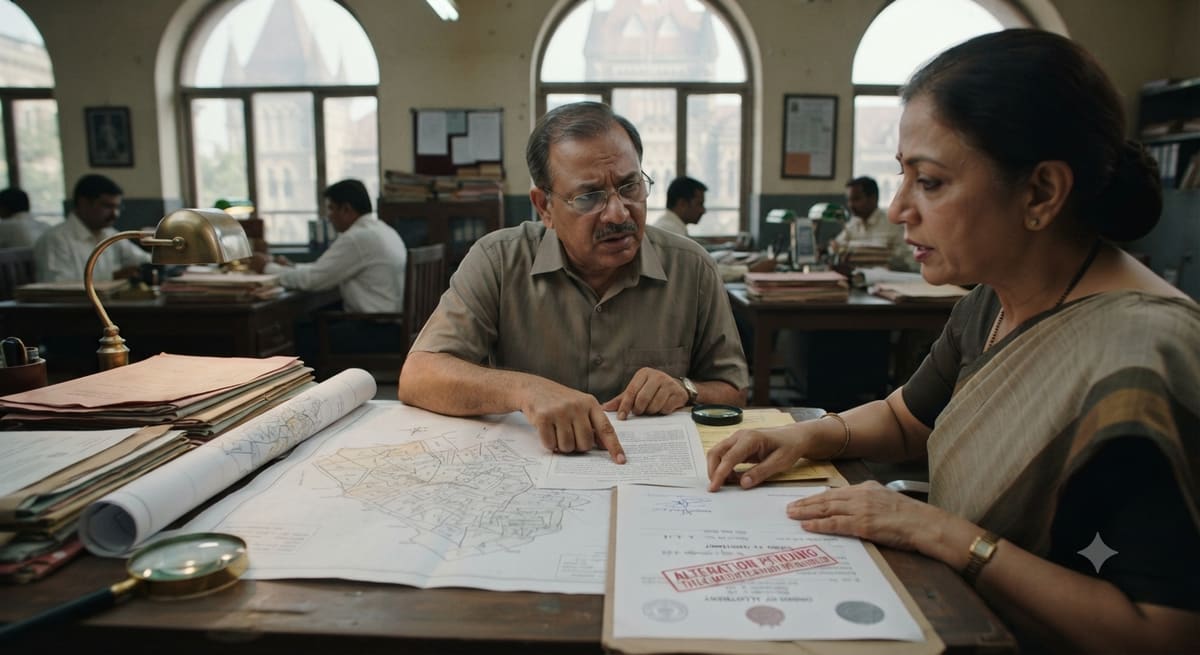
The Court examined the Redistribution and Valuation Statement, which disclosed that Final Plot No. 190 was allotted in lieu of both CTS No. 1582 (1 and 2) and CTS No. 1583. The appellant’s conveyance deed of 1985 made no mention of CTS No. 1583, and thus, the appellant could not claim exclusive rights over Final Plot No. 190 based solely on ownership of CTS No. 1582.
The Court noted the sequence of events in the Town Planning Scheme proceedings:
"The redistribution and valuation statement links CTS No 1582(1 and 2) with Plot No 261. The minutes of meeting before the Arbitrator records that on 26th November, 1974, the Arbitrator had issued communications to various structures of Plot No 261 to vacate their structures. If the recitals of conveyance of 1985 are assumed to be correct, the Plaintiff being in possession of Plot No 261 since December, 1964 as lessee would have received communication from the Arbitrator and would be aware of the town planning scheme and the proposed acquisition."
The Court observed that the conveyance deed of 1985 was prima facie doubtful because:
It made no mention of the acquisition proceedings or the allotment of Final Plot No. 190
The minutes of the Arbitrator recorded the death of Bhagatsingh Solanki in 1980, whereas the deed was executed in 1985 in the name of Bhagatsingh Solanki
The deed described the sale of CTS No. 1582 (1, 2, and 3), which was already subject to acquisition
The Court held that the appellant’s delay in instituting proceedings despite knowledge of the construction since 1986 militated against granting interim relief. The Defendant No. 1 Society had secured registration and deemed conveyance, and the redevelopment process was underway. The balance of convenience favored the Defendants, as granting restraint would cause irreparable loss.
The Verdict
The Bombay High Court dismissed the appeal, upholding the Trial Court’s order dated 09.05.2025. The Court held that the appellant failed to establish a prima facie case for interim relief, as:
The conveyance deed of 1985 did not confer rights over Final Plot No. 190, which was allotted in lieu of both CTS No. 1582 and CTS No. 1583
The appellant did not claim any rights over CTS No. 1583
The balance of convenience favored the Defendants, given the delay and the completion of construction
The deemed conveyance in favor of Defendant No. 1 Society could not be disturbed at the interim stage
What This Means For Similar Cases
Alternate Plot Allotment Does Not Automatically Transfer Title
Property owners must seek modification of entries in the town planning scheme to reflect ownership changes
Mere reliance on a conveyance deed for the original plot is insufficient if the alternate plot is allotted in lieu of multiple plots, some of which are not part of the conveyance
Delay in Legal Action Can Be Fatal
Courts are unlikely to grant interim relief where the claimant has delayed instituting proceedings despite knowledge of encroachment or construction
The balance of convenience will favor the party in possession, especially if construction is complete and third-party rights are involved
Documentation Must Reflect Statutory Proceedings
Conveyance deeds must explicitly mention acquisition proceedings and alternate plot allotments to avoid disputes
Discrepancies in names or plot numbers can raise prima facie doubts about the genuineness of documents