Topic

Section 112(a)

5 articlesLatest June 2026
Customs Act 1962, Sections 112(a) & 114AA | Bonafide Emission Certificate from Authorized Agency Negates Penalty Even Without Type Approval: CESTAT Kolkata
Case Law Analysis
|Custom, Excise & Service Tax Tribunal

Customs Act 1962, Sections 112(a) & 114AA | Bonafide Emission Certificate from Authorized Agency Negates Penalty Even Without Type Approval: CESTAT Kolkata

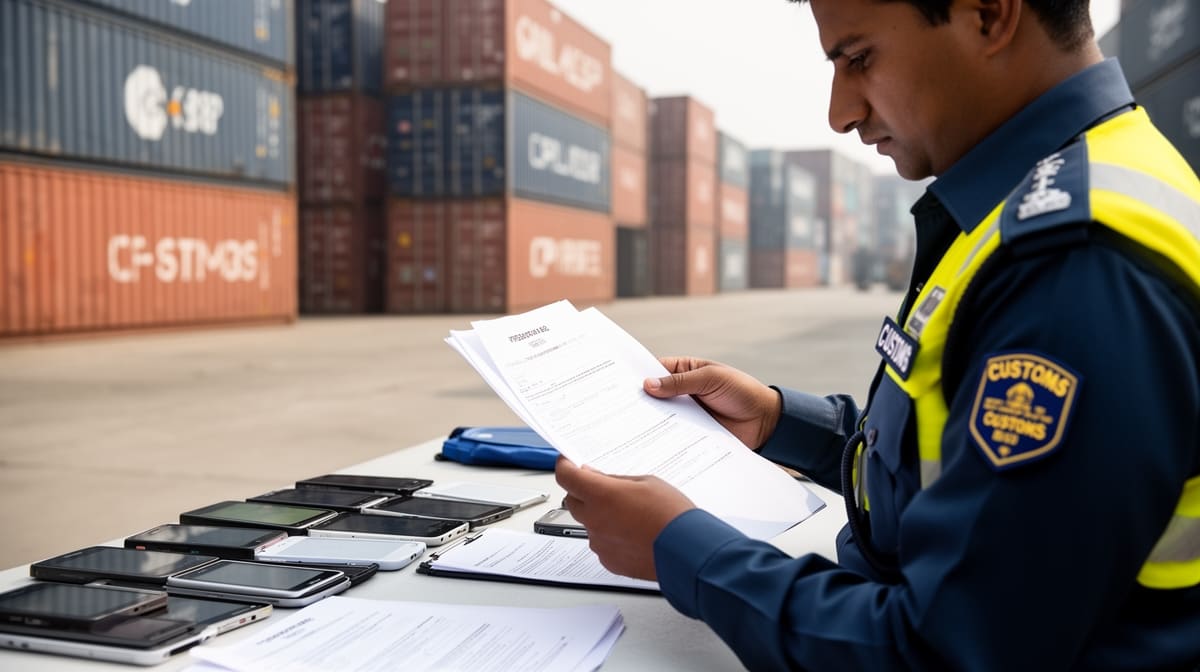
CESTAT Kolkata has ruled that importers who submit a valid emission certificate issued by a Ministry-empanelled laboratory cannot be penalized under Sections 112(a) and 114AA of the Customs Act merely because the Type Approval certificate is missing. This sets a critical precedent for environmental compliance in customs clearance, protecting bonafide importers from disproportionate penalties when core environmental standards are met.

Abetment Under Customs Act Requires Identified Principal Offender | Penalty Set Aside When Importer Untraceable : CESTAT Chennai
Case Law Analysis
|Custom, Excise & Service Tax Tribunal

Abetment Under Customs Act Requires Identified Principal Offender | Penalty Set Aside When Importer Untraceable : CESTAT Chennai

CESTAT Chennai has ruled that penalty for abetment under Section 112(a) of the Customs Act cannot be imposed without identifying the actual importer as the principal offender. This reinforces natural justice in customs enforcement, protecting intermediaries from vicarious liability when the true violator remains unknown, and sets a precedent for fair penalty imposition in smuggling cases.

Section 112(a) Customs Act | Consistent Past Classification Acceptance Bars Extended Period Duty Demand: CESTAT Chennai
Case Law Analysis
|Custom, Excise & Service Tax Tribunal

Section 112(a) Customs Act | Consistent Past Classification Acceptance Bars Extended Period Duty Demand: CESTAT Chennai

CESTAT Chennai rules that when customs authorities have consistently accepted a tariff classification over years, the department cannot later allege suppression to extend the limitation period for duty demand. This protects importers and logistics firms from retrospective penalties when classifications were openly and repeatedly approved, reinforcing legal certainty in trade compliance.

Section 112(a) Customs Act | Penalty Not Imposable on Non-Importer Without Evidence of Collusion or Undervaluation : CESTAT
Case Law Analysis
|Custom, Excise & Service Tax Tribunal

Section 112(a) Customs Act | Penalty Not Imposable on Non-Importer Without Evidence of Collusion or Undervaluation : CESTAT

CESTAT quashed a ₹20 lakh penalty against a non-importer under Section 112(a) of the Customs Act, holding that mere association with an importer is insufficient to impose liability for undervaluation without proof of active participation, collusion, or intent. This clarifies the scope of personal liability for third parties in customs fraud cases, protecting innocent business associates from vicarious penalties.