Topic

Refund Claims

4 articlesLatest July 2026
Rule 9(1)(e) Governs Service Tax Paid Under Reverse Charge | CESTAT Hyderabad Sets Aside Rs. 2.42 Crore Refund Denial
Case Law Analysis
|Custom, Excise & Service Tax Tribunal

Rule 9(1)(e) Governs Service Tax Paid Under Reverse Charge | CESTAT Hyderabad Sets Aside Rs. 2.42 Crore Refund Denial

CESTAT Hyderabad rules that Service Tax paid under reverse charge must be governed by Rule 9(1)(e) of Cenvat Credit Rules, not Rule 9(1)(bb). Sets aside denial of Rs. 2.42 crore refund, directing recomputation of refund claims for exporters. Impacts businesses claiming Cenvat credit on reverse charge payments prior to 2011.
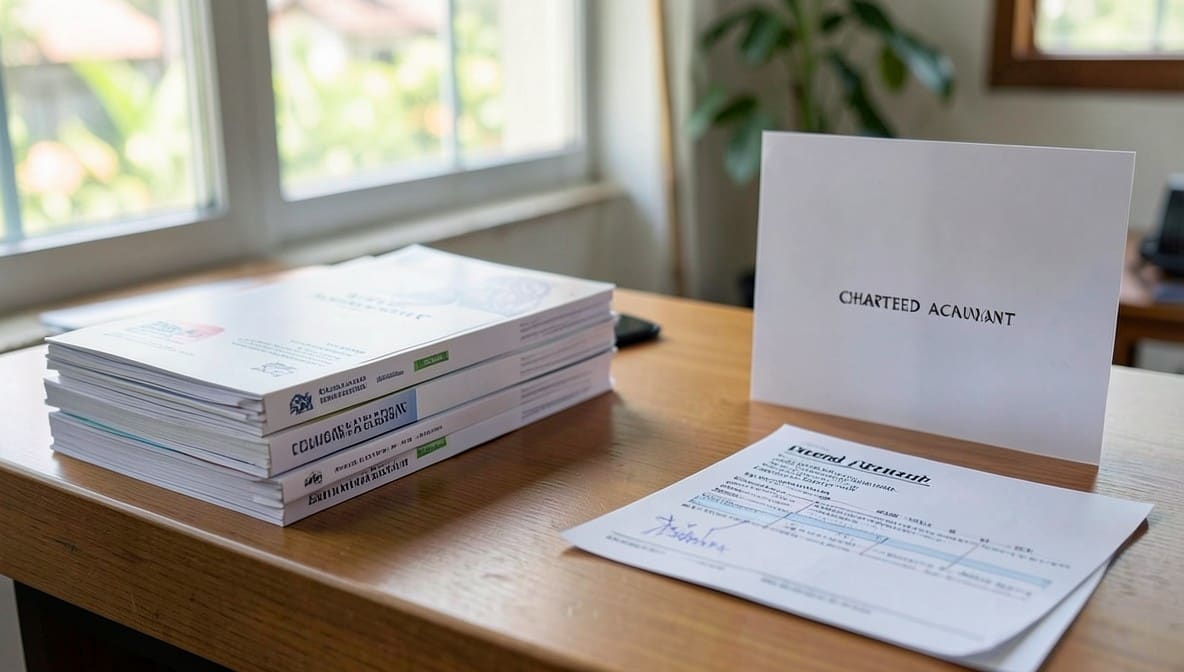

Substantial Compliance Doctrine | Improper CA Certificate Format Cannot Justify Refund Rejection in Customs Claims : CESTAT Chennai
Case Law Analysis
|Custom, Excise & Service Tax Tribunal

Substantial Compliance Doctrine | Improper CA Certificate Format Cannot Justify Refund Rejection in Customs Claims : CESTAT Chennai

CESTAT Chennai rules that customs authorities cannot reject refund claims solely due to non-conformity with the suggested format of a Chartered Accountant’s certificate, as long as the substance and authenticity of the certification are intact. This reinforces the principle of substantial compliance over technical formalities, benefiting exporters and manufacturers relying on timely refund processing under customs law.

Section 11B Central Excise Act | One-Year Limitation Period Applies to Mistaken Service Tax Refund Claims : CESTAT Chandigarh
Case Law Analysis
|Custom, Excise & Service Tax Tribunal

Section 11B Central Excise Act | One-Year Limitation Period Applies to Mistaken Service Tax Refund Claims : CESTAT Chandigarh

CESTAT Chandigarh holds that refund claims for mistaken service tax payments by educational institutions are subject to the one-year limitation period under Section 11B of the Central Excise Act. The ruling underscores strict compliance with procedural timelines, even for exempted entities, impacting tax refund claims across sectors.

Customs Act Section 149 | Self-Assessment Errors Eligible for Rectification & Refund Claims : CESTAT Chennai
Case Law Analysis
|Custom, Excise & Service Tax Tribunal

Customs Act Section 149 | Self-Assessment Errors Eligible for Rectification & Refund Claims : CESTAT Chennai

CESTAT Chennai rules that importers can rectify inadvertent errors in self-assessed Bills of Entry under Section 149 of the Customs Act, enabling refund claims under Section 27. This decision clarifies that non-claim of exemption notifications at the time of assessment does not bar subsequent corrections, offering relief to businesses facing duty overpayment due to oversight.