Topic

ITAT Pune

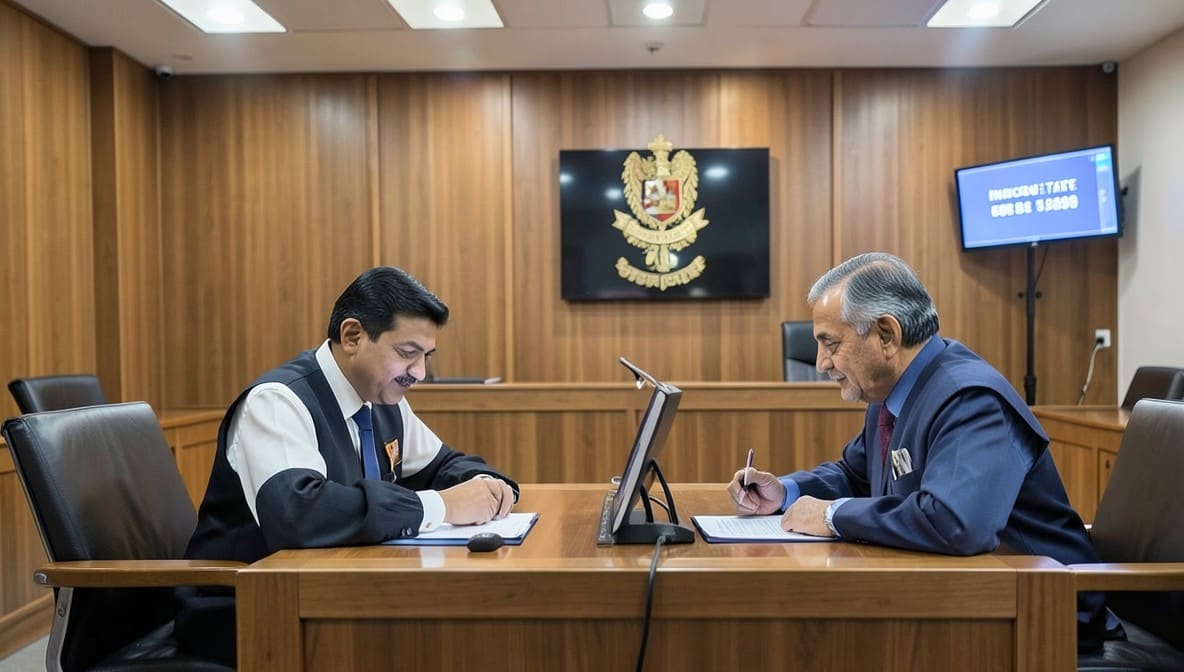
The ITAT Pune is a quasi-judicial body under the Income Tax Act that hears appeals against orders of the Income Tax Department in Maharashtra and parts of western India.

30 articlesLatest July 2026
Section 80G | Inadvertent Clause Selection in Form 10AB Is a Curable Procedural Defect: ITAT Pune
Case Law Analysis
|Income Tax Appellate Tribunal

Section 80G | Inadvertent Clause Selection in Form 10AB Is a Curable Procedural Defect: ITAT Pune

The ITAT Pune has ruled that a mistaken selection of clause in Form 10AB under Section 80G-such as filing under clause (ii) instead of (iii)-does not invalidate the application if the error is inadvertent. This sets a vital precedent for charitable trusts and NGOs, ensuring administrative oversights don't derail tax exemptions when substance and intent are intact.

Section 44AD Income Tax Act | Presumptive Taxation Invalid Beyond Rs. 1 Crore Turnover; Disallowed Expenses Must Be Reconsidered on Remand : ITAT Pune
Case Law Analysis
|Income Tax Appellate Tribunal

Section 44AD Income Tax Act | Presumptive Taxation Invalid Beyond Rs. 1 Crore Turnover; Disallowed Expenses Must Be Reconsidered on Remand : ITAT Pune

The ITAT Pune has ruled that a partnership firm cannot claim presumptive taxation under Section 44AD once gross receipts surpass Rs. 1 crore, even if income was initially declared at 8%. Crucially, it directed the Assessing Officer to reconsider disallowed business expenses on remand, reinforcing that denial of presumptive benefit does not automatically justify blanket expense rejection without proper scrutiny.

Natural Justice Mandate | ITAT Pune Quashes Assessment Order for Non-Disclosure of Third-Party Replies Under Section 133(6) IT Act : ITAT Pune
Case Law Analysis
|Income Tax Appellate Tribunal

Natural Justice Mandate | ITAT Pune Quashes Assessment Order for Non-Disclosure of Third-Party Replies Under Section 133(6) IT Act : ITAT Pune

ITAT Pune ruled that income tax assessments are vitiated if the Assessing Officer fails to provide the assessee with third-party replies obtained under Section 133(6) of the Income Tax Act, 1961. The Tribunal emphasized that non-disclosure violates principles of natural justice, setting aside the assessment order and reinforcing procedural fairness in tax proceedings.

Condonation of Delay | Reliance on Unverified RMS-NMS Data Constitutes Sufficient Cause Under Limitation Act: ITAT Pune
Case Law Analysis
|Income Tax Appellate Tribunal

Condonation of Delay | Reliance on Unverified RMS-NMS Data Constitutes Sufficient Cause Under Limitation Act: ITAT Pune

ITAT Pune condoned a 79-day delay in filing an income tax appeal, holding that reliance on unverified data from the RMS-NMS insight portal constitutes sufficient cause under the Limitation Act. This ruling empowers taxpayers who act in good faith based on flawed government-generated alerts, reinforcing procedural fairness over technical non-compliance.

Section 80P(2)(d) IT Act | Interest from Cooperative Banks Eligible for Deduction by Primary Credit Societies : ITAT Pune
Case Law Analysis
|Income Tax Appellate Tribunal

Section 80P(2)(d) IT Act | Interest from Cooperative Banks Eligible for Deduction by Primary Credit Societies : ITAT Pune

Primary credit cooperative societies can claim tax deductions under Section 80P(2)(d) for interest earned on deposits with other cooperative banks, affirming that such income qualifies as business income derived from cooperative activities. This ruling reinforces the scope of cooperative-specific tax benefits and provides clarity for thousands of rural financial institutions across India.

Section 5 Limitation Act | Liberal Interpretation of 'Sufficient Cause' Mandates Condonation of Delay in Tax Appeals : ITAT Pune
|Income Tax Appellate Tribunal

Section 5 Limitation Act | Liberal Interpretation of 'Sufficient Cause' Mandates Condonation of Delay in Tax Appeals : ITAT Pune

ITAT Pune rules that delays in filing tax appeals must be condoned if the assessee demonstrates a reasonable cause, emphasizing substantive justice over procedural technicalities. The Tribunal set aside an ex-parte order, directing lower authorities to reconsider the appeal on merits, reinforcing the liberal construction of 'sufficient cause' under Section 5 of the Limitation Act for income tax proceedings.

Section 250(6) Income Tax Act | CIT(A) Must Adjudicate Appeals on Merits, Not Dismiss for Non-Prosecution: ITAT Pune
Case Law Analysis
|Income Tax Appellate Tribunal

Section 250(6) Income Tax Act | CIT(A) Must Adjudicate Appeals on Merits, Not Dismiss for Non-Prosecution: ITAT Pune

ITAT Pune holds that the Commissioner of Income Tax (Appeals) cannot dismiss appeals merely for non-prosecution but must adjudicate grounds on merit under Section 250(6) of the Income Tax Act. The ruling reinforces the obligation of appellate authorities to ensure substantive justice, impacting taxpayers facing procedural dismissals.

Section 56(2)(viib) IT Act | Assessee’s Choice of NAV or DCF Method Under Rule 11UA Cannot Be Overridden by AO: ITAT Pune
Case Law Analysis
|Income Tax Appellate Tribunal

Section 56(2)(viib) IT Act | Assessee’s Choice of NAV or DCF Method Under Rule 11UA Cannot Be Overridden by AO: ITAT Pune

The ITAT Pune has ruled that once an assessee selects either the Net Asset Value (NAV) or Discounted Cash Flow (DCF) method under Rule 11UA to determine the fair market value of unlisted shares, the Assessing Officer has no authority to substitute it with another valuation approach or question its realism. This reinforces taxpayer autonomy in valuation and curbs arbitrary tax additions, directly impacting startups, private equity deals, and closely held companies.

Condonation of Delay | Substantial Justice Overrides Technical Dismissal in Survey-Triggered Reassessment Appeals : ITAT Pune
Case Law Analysis
|Income Tax Appellate Tribunal

Condonation of Delay | Substantial Justice Overrides Technical Dismissal in Survey-Triggered Reassessment Appeals : ITAT Pune

ITAT Pune has ruled that delays in filing tax appeals must be condoned when the core issue involves substantial justice, particularly where reassessment stems from survey-based proceedings and the assessee has offered a plausible explanation. This sets a critical precedent for taxpayers facing technical rejections in complex, non-routine tax investigations, reinforcing that procedural lapses cannot override meritorious claims.

Natural Justice in Tax Appeals | Ex-Parte Order Invalid If E-Notice Not Received Due to Non-Accessible Email ID : ITAT Pune
Case Law Analysis
|Income Tax Appellate Tribunal

Natural Justice in Tax Appeals | Ex-Parte Order Invalid If E-Notice Not Received Due to Non-Accessible Email ID : ITAT Pune

ITAT Pune has ruled that an ex-parte order under Section 250 of the Income Tax Act is void if the assessee never received e-notices because the registered email ID was inaccessible or not theirs. This reinforces that procedural fairness requires actual notice, not just electronic service, and protects taxpayers from technical failures beyond their control.

Section 10(20) IT Act | Local Authority Entitled to Exemption Despite Erroneous Claim Under Section 57: ITAT Pune
Case Law Analysis
|Income Tax Appellate Tribunal

Section 10(20) IT Act | Local Authority Entitled to Exemption Despite Erroneous Claim Under Section 57: ITAT Pune

A local authority is entitled to income tax exemption under Section 10(20) even if it mistakenly claimed deductions under Section 57, as long as its status as a qualifying local authority is established. This ruling protects municipal bodies from losing statutory exemptions due to technical filing errors, reinforcing that substance overrides form in tax exemption claims.

Interest on Enhanced Compensation for Agricultural Land Exempt Under Section 56(2)(viii) : ITAT Pune
Case Law Analysis
|Income Tax Appellate Tribunal

Interest on Enhanced Compensation for Agricultural Land Exempt Under Section 56(2)(viii) : ITAT Pune

The ITAT Pune has ruled that interest paid on enhanced compensation for compulsorily acquired agricultural land is not taxable under Section 56(2)(viii) of the Income Tax Act, regardless of the jurisdictional boundary of the Bombay High Court. This clarifies a widespread misconception and provides uniform tax relief to landowners across Maharashtra and Goa whose land is acquired under the Land Acquisition Act, ensuring consistency in tax treatment nationwide.

Section 54F IT Act | Payment Under Agreement to Sell with Possession Transfer Suffices for Capital Gains Exemption : ITAT Pune
Case Law Analysis
|Income Tax Appellate Tribunal

Section 54F IT Act | Payment Under Agreement to Sell with Possession Transfer Suffices for Capital Gains Exemption : ITAT Pune

ITAT Pune rules that substantial payment and possession transfer under an agreement to sell qualifies for Section 54F exemption, even if the sale deed is registered years later. This clarifies that formal registration delay does not invalidate the exemption claim, offering relief to taxpayers in similar transactions.