Topic

Family Court Orders

Family Court Orders in India govern maintenance, custody, and divorce-related relief under laws like Section 125 CrPC and the BNSS, focusing on spousal and child support rights.

6 articlesLatest June 2026
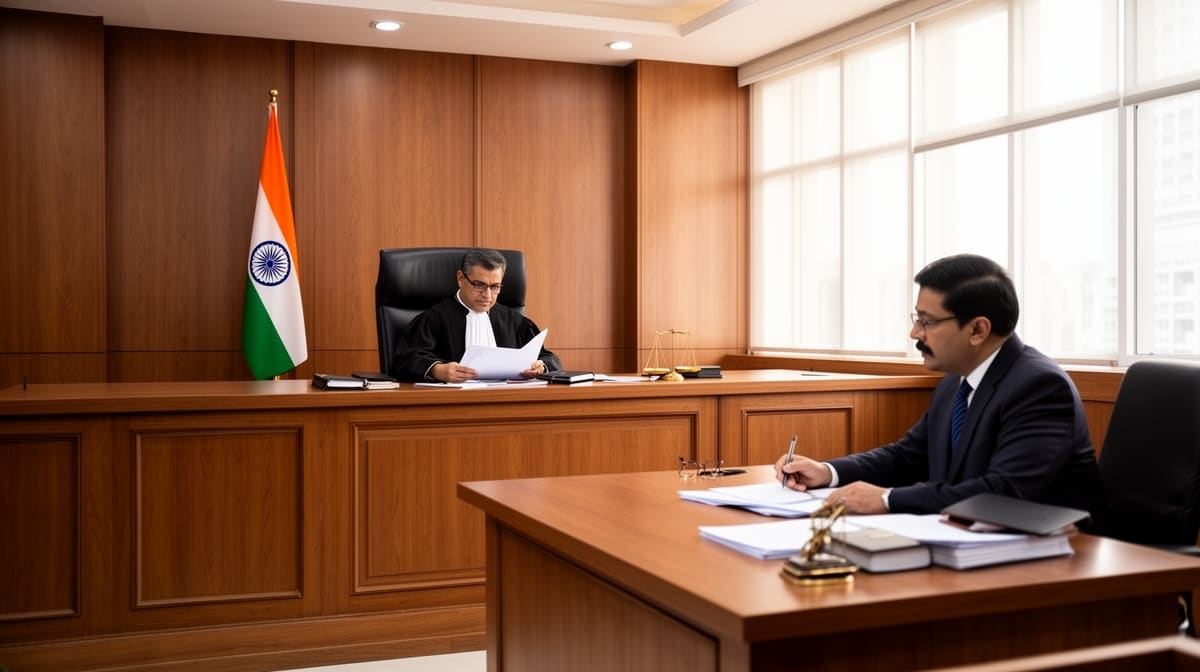
Section 125 CrPC | Past Maintenance Must Reflect Husband’s Foreign Income & Child’s Educational Needs : Kerala HC
|Kerala High Court

Section 125 CrPC | Past Maintenance Must Reflect Husband’s Foreign Income & Child’s Educational Needs : Kerala HC

The Kerala High Court ruled that past maintenance under Section 125 CrPC cannot be arbitrarily capped when the husband earns abroad and the child incurs substantial educational expenses. The judgment establishes that courts must account for actual foreign earnings and child-specific costs, not just local norms, setting a new benchmark for maintenance calculations in transnational family disputes.

BNSS Section 144 | Separation Without Proven Misconduct Does Not Terminate Right to Interim Maintenance : Chhattisgarh HC
Case Law Analysis
|Chhattisgarh High Court

BNSS Section 144 | Separation Without Proven Misconduct Does Not Terminate Right to Interim Maintenance : Chhattisgarh HC

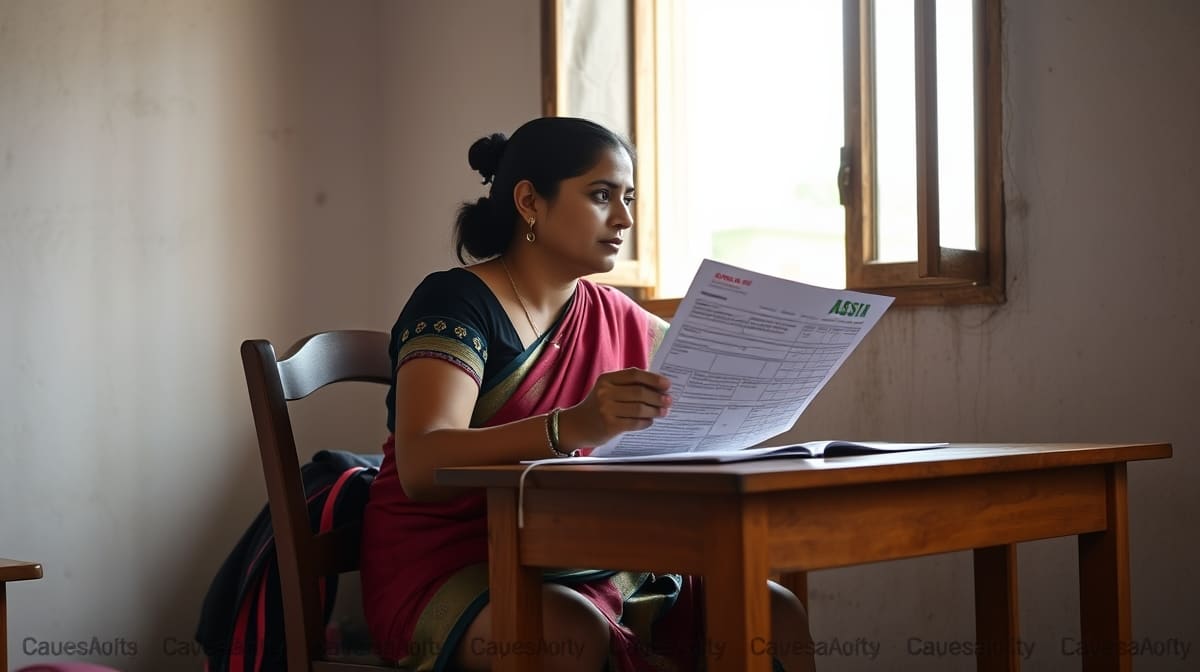
The Chhattisgarh High Court has ruled that a wife’s separation from her husband, even if unilaterally initiated and without proven cruelty or misconduct, does not extinguish her statutory right to interim maintenance under BNSS Section 144. This reinforces that economic vulnerability and lack of independent income, not marital fault, are the decisive factors in granting maintenance - a critical safeguard for financially dependent spouses in pending proceedings.

Section 125 CrPC | Interim Maintenance Must Be Awarded From Date of Application, Not Order: MP HC Reinforces Rajnesh v. Neha Principle
Case Law Analysis
|Madhya Pradesh High Court

Section 125 CrPC | Interim Maintenance Must Be Awarded From Date of Application, Not Order: MP HC Reinforces Rajnesh v. Neha Principle

The Madhya Pradesh High Court ruled that interim maintenance under Section 125 CrPC must be calculated from the date of the application, not the order, aligning with the Supreme Court's precedent in Rajnesh v. Neha. This ensures financial support for dependents during litigation, preventing undue hardship and upholding natural justice principles.