
Topic

Alter Ego Doctrine

3 articlesLatest September 2026
Section 44A CPC | SC enforces Ras Al Khaimah decree, rejects contempt, orders Rs 200 cr security, defers veil-piercing to execution courts : SC
Case Law Analysis
|Supreme Court of India

Section 44A CPC | SC enforces Ras Al Khaimah decree, rejects contempt, orders Rs 200 cr security, defers veil-piercing to execution courts : SC

The Supreme Court confirmed that a decree issued by Ras Al Khaimah’s Investment Authority is enforceable in India under Section 44A CPC, dismissed a contempt petition based on an ambiguous undertaking, and mandated the respondents to furnish an additional security of Rs 200 crore, leaving any corporate veil-piercing questions to the execution courts. This clarifies cross-border decree enforcement and limits contempt claims tied to vague undertakings.
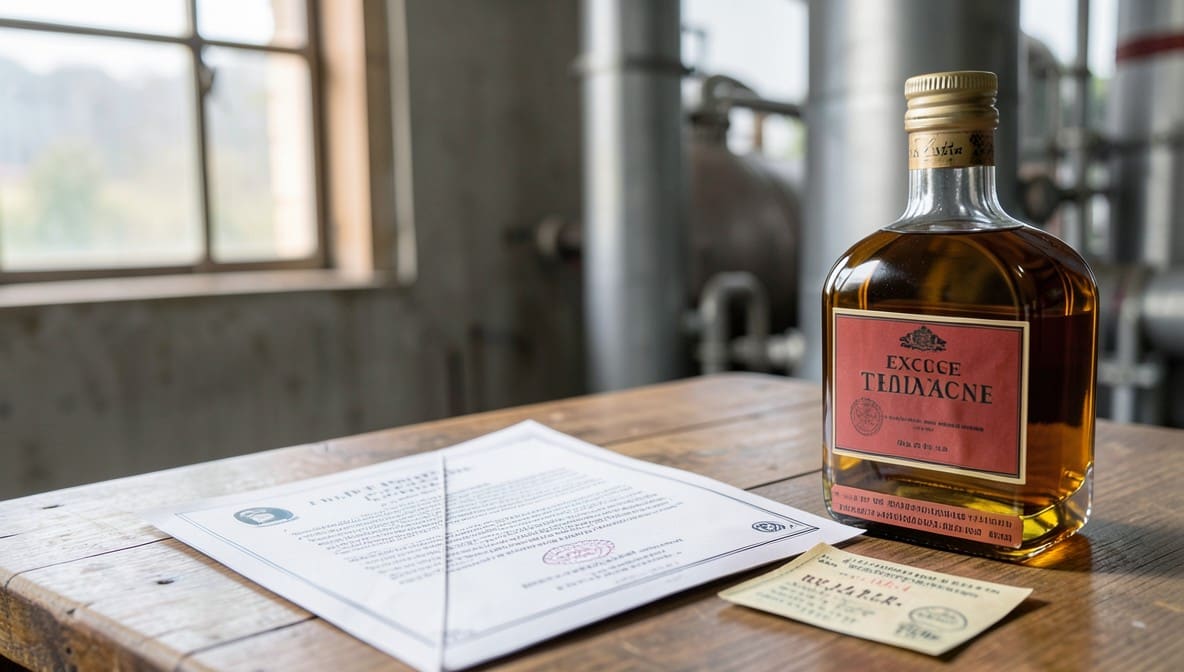

Section 31(1)(c) Excise Act | Conviction of Employees Triggers Automatic Licence Suspension Without Direct Company Prosecution : MP HC Jabalpur
Case Law Analysis
|Madhya Pradesh High Court

Section 31(1)(c) Excise Act | Conviction of Employees Triggers Automatic Licence Suspension Without Direct Company Prosecution : MP HC Jabalpur

Madhya Pradesh High Court rules that a company's excise licence can be suspended under Section 31(1)(c) of the Excise Act solely based on its employees' or agents' conviction for forged permits, even if the company itself is not prosecuted. The ruling underscores vicarious liability in regulatory compliance, impacting distilleries and businesses holding excise licences.

Alter Ego Doctrine | Non-Signatory Company Bound by Arbitration Clause If Operating as Signatory’s Shadow : Calcutta HC
Case Law Analysis
|Calcutta High Court

Alter Ego Doctrine | Non-Signatory Company Bound by Arbitration Clause If Operating as Signatory’s Shadow : Calcutta HC

Calcutta High Court rules that a non-signatory company can be compelled to arbitration if it functions as the alter ego of a signatory partner, deriving benefits from the partnership. The court leaves joinder issues to the arbitral tribunal under Section 16 of the Arbitration and Conciliation Act, reinforcing the doctrine’s application in commercial disputes.