The Karnataka High Court, in a recent Regular Second Appeal, addressed a complex dispute over leasehold rights acquired through court auction. The judgment underscores the critical importance of timing in property transactions, holding that surrender of leasehold rights before the confirmation of a court auction sale invalidates any subsequent title claim. This ruling clarifies the interplay between the Bombay Hereditary Offices Act, 1874 (BHO Act) and the Karnataka Village Offices Abolition Act, 1961 (KVOA Act), offering crucial guidance for property disputes involving statutory vesting and re-grant procedures.
Background & Facts
The Dispute
The dispute centers on a plot of land in Hubli, Karnataka, originally owned by Shiddappa and Shivakka Chalavadi. The land was leased for 99 years to Narayanaswamy Gurushiddalingaswamy Ujjayanamath in 1953-54 on an annual ground rent of Rs. 35. Gurunath Narasimha Halyal, the father of the plaintiffs, filed a suit (O.S.L.D. 274/1953) against Narayanaswamy, which was dismissed, awarding costs to Gurunath. Gurunath then initiated execution proceedings (Execution No. 93/1956) to recover these costs, leading to the auction of Narayanaswamy’s leasehold rights. Gurunath purchased these rights on 03.12.1956, with the sale confirmed on 11.01.1957 and the sale certificate issued on 22.07.1957.
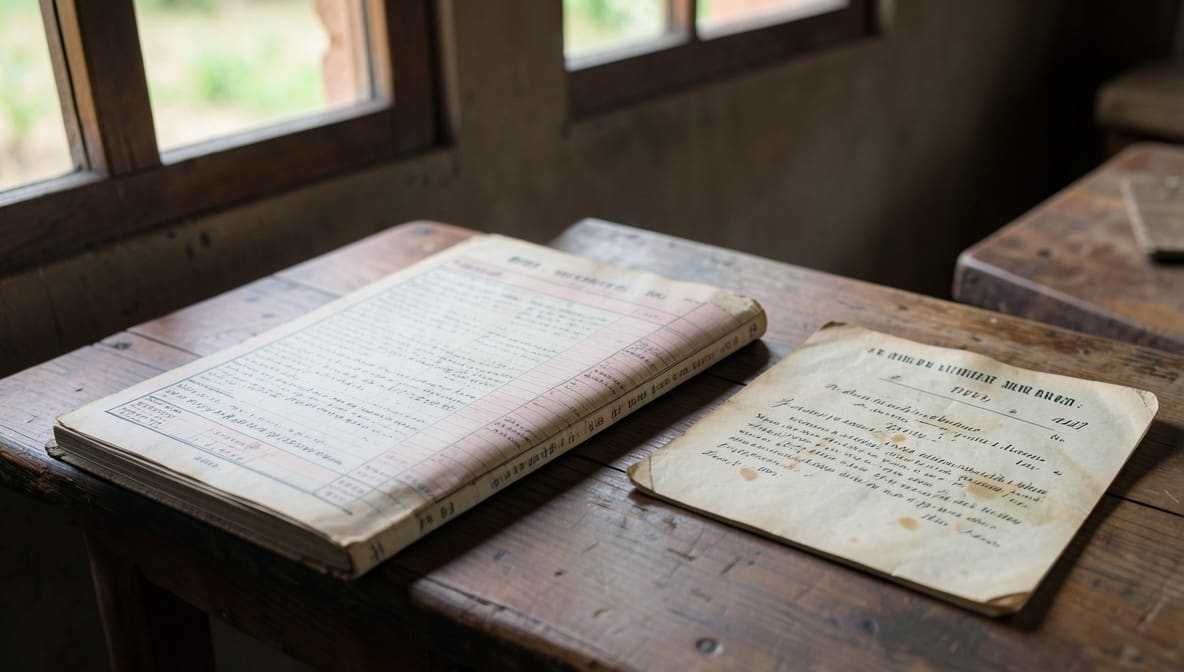
However, Narayanaswamy had surrendered his leasehold rights to the original owners on 13.12.1956, as evidenced by Ex.D4, a proceeding before the Shirestedar and City Survey Officer, Hubli. The plaintiffs, claiming title through Gurunath’s purchase, filed a suit for declaration of their leasehold rights and possession. The defendants, including the original owners and Mallikarjun Gurappa Menasinkai (who claimed leasehold rights through a subsequent lease deed dated 28.01.1963), contested the plaintiffs’ title.
Key Facts
- 1953-54: Shiddappa and Shivakka Chalavadi leased the suit property to Narayanaswamy Gurushiddalingaswamy Ujjayanamath for 99 years at Rs. 35 per year.
- 1954: Gurunath Narasimha Halyal filed suit (O.S.L.D. 274/1953) against Narayanaswamy, which was dismissed with costs.
- 13.08.1956: Leasehold rights of Narayanaswamy were attached in execution proceedings (Execution No. 93/1956).
- 03.12.1956: Gurunath purchased Narayanaswamy’s leasehold rights in court auction.
- 11.12.1956: Narayanaswamy surrendered his leasehold rights to the original owners (Ex.D4).
- 11.01.1957: Court auction sale confirmed.
- 22.07.1957: Sale certificate issued to Gurunath.
- 28.01.1963: Original owners executed a lease deed in favor of defendant No.1 (Mallikarjun Gurappa Menasinkai) for 99 years at Rs. 25 per year.
- 01.02.1963: KVOA Act came into force, repealing the BHO Act and vesting all lands with the State.
- 1968: City Survey Authorities entered defendant No.1’s name in C.T.S records, prompting the plaintiffs’ objections.
- 1969: Plaintiffs filed suit (O.S. No. 146/1969) for declaration and possession.
Procedural History
- 01.10.1980: Trial Court dismissed the suit, holding that the lease in favor of Narayanaswamy was invalid under Sections 5 and 7 of the BHO Act due to lack of government sanction and that the plaintiffs acquired no title through the court auction.
- 27.07.2007: First Appellate Court reversed the trial court’s decree, holding that the KVOA Act repealed the BHO Act, vesting the land with the State, and that the plaintiffs’ leasehold rights subsisted under Section 8 of the KVOA Act.
- 22.04.2009: Second Appeal admitted by the High Court, framing four substantial questions of law.
- 03.07.2026: High Court allowed the appeal, setting aside the First Appellate Court’s decree and restoring the trial court’s judgment.
The Parties' Positions
For the Appellant (Defendant No.1):
- Contended that Narayanaswamy surrendered his leasehold rights on 13.12.1956, before the auction sale was confirmed.
- Argued that the court auction sale was not binding on the original owners (defendant Nos. 2 and 3), who were not parties to the execution proceedings.
- Submitted that defendant No.1 acquired valid leasehold rights through the lease deed dated 28.01.1963 and was in continuous possession, as evidenced by tax receipts (Exs.D5 to D36).
- Relied on Ex.D4, which recorded Narayanaswamy’s surrender and the original owners’ possession.
For the Respondents (Plaintiffs):
- Claimed that Gurunath acquired valid leasehold rights through the court auction in Execution No. 93/1956 and that these rights subsisted under Section 8 of the KVOA Act.
- Argued that the KVOA Act repealed the BHO Act, vesting the land with the State, and that the original owners lost their title upon the Act’s commencement.
- Contended that the lease in favor of defendant No.1 was invalid as the original owners had no power to create it after the land vested with the State.
Relief Sought
The plaintiffs sought:
- A declaration of their leasehold rights over the suit property.
- Cancellation of the order dated 06.05.1968 by the City Survey Authorities.
- Recovery of possession if found not in their possession.
The Legal Issue
The High Court framed the following substantial questions of law:
- Whether the surrender of leasehold rights by Narayanaswamy before the confirmation of the court auction sale invalidates the plaintiffs’ title acquired through that sale?
- Whether the original owners could lease the property to defendant No.1 without setting aside the court auction sale, given that they were not parties to the execution proceedings?
- Whether defendant No.1 or the plaintiffs were entitled to re-grant of the land after the KVOA Act vested it with the State?
- Whether the plaintiffs’ acquisition of leasehold rights through court auction subsisted under Section 8 of the KVOA Act despite Narayanaswamy’s prior surrender?
Arguments Presented
For the Appellant (Defendant No.1)
- Timing of Surrender: Emphasized that Narayanaswamy surrendered his leasehold rights on 13.12.1956, before the auction sale was confirmed (11.01.1957) and the sale certificate issued (22.07.1957). Thus, Gurunath acquired no valid title.
- Non-Binding Auction Sale: Argued that the court auction sale was not binding on the original owners (defendant Nos. 2 and 3), who were not parties to the execution proceedings. Therefore, they were not required to set aside the sale.
- Valid Lease to Defendant No.1: Contended that defendant No.1 acquired valid leasehold rights through the lease deed dated 28.01.1963 and was in continuous possession, supported by tax receipts.
- Evidence of Surrender: Relied on Ex.D4, which recorded Narayanaswamy’s surrender and the original owners’ possession.
For the Respondents (Plaintiffs)
- Court Auction Validity: Argued that Gurunath validly acquired leasehold rights through the court auction, and these rights subsisted under Section 8 of the KVOA Act.
- Vesting Under KVOA Act: Contended that the KVOA Act repealed the BHO Act, vesting the land with the State on 01.02.1963, thereby extinguishing the original owners’ title.
- Invalidity of Subsequent Lease: Submitted that the lease in favor of defendant No.1 was invalid as the original owners had no power to create it after the land vested with the State.
- Subsisting Lease Under Section 8: Relied on Section 8 of the KVOA Act, which protects lawful leases subsisting on the appointed date.
The Court's Analysis
The High Court conducted a detailed analysis of the evidence and legal provisions, focusing on the following key points:
-
Timing of Surrender and Auction Confirmation:
- The Court noted that Narayanaswamy surrendered his leasehold rights on 13.12.1956, as recorded in Ex.D4. This surrender occurred before the auction sale was confirmed (11.01.1957) and the sale certificate issued (22.07.1957).
- The Court held that Gurunath’s purchase in the court auction was of non-existent rights, as Narayanaswamy was no longer a leaseholder at the time of the auction.
"Therefore, just because through Court sale on 03.12.1956, the plaintiff cannot establish his lease hold rights over the suit property. The confirmation of sale of lease hold rights was on 11.01.1957 and sale certificate was issued on 22.07.1957. These events are after the date of surrender of lease i.e., on 13.12.1956. Therefore, at the most what the father of the plaintiff acquired the right of lease through sale but at that time, the Narayanaswamy Gurushiddaligaswamy Ujjainimath was not having any lease hold rights and it was already surrendered to defendant Nos.2 and 3 who are the owners of the property."
-
Binding Effect of Court Auction on Original Owners:
- The Court observed that the original owners (defendant Nos. 2 and 3) were not parties to the execution proceedings (L.D. No. 93/1956). Therefore, the court auction sale was not binding on them, and they were not required to take steps to set it aside.
"Whatever the case in L.D. No.274/1954 and L.D. No.93/1956 on the file of the Court of Munciff, Hubli is only between father of the plaintiff - Gurunath Halyal and Narayanaswamy Gurushiddaligaswamy Ujjainimath and the owners defendant Nos.2 and 3 were not parties to the said proceedings. Therefore, when the said Court auction is not binding on the owners of defendant Nos.2 and 3, it is not for them to get the sale auction set-aside by filing another case."
-
Validity of Defendant No.1’s Lease:
- The Court held that defendant No.1 acquired valid leasehold rights through the lease deed dated 28.01.1963, executed by the original owners before the KVOA Act came into force (01.02.1963).
- The Court relied on the evidence of defendant No.3 (Ex.D1) and tax receipts (Exs.D5 to D36) to establish defendant No.1’s continuous possession.
-
Applicability of the KVOA Act:
- The Court noted that the KVOA Act repealed the BHO Act and vested all lands with the State on 01.02.1963. However, it held that the plaintiffs could not claim re-grant under the Act because they had no subsisting leasehold rights on the appointed date.
- Conversely, defendant No.1’s lease, executed before the KVOA Act came into force, was valid and entitled him to seek re-grant.
"Therefore, re-grant ought to have been made by defendant No.1 as he has acquired lease on 28.01.1963. Therefore, re-grant ought to have been made by defendant No.1 by taking recourse for application for re-grant."
-
Trial Court’s Findings:
- The Court upheld the trial court’s findings that the lease in favor of Narayanaswamy was invalid under Sections 5 and 7 of the BHO Act due to lack of government sanction for a lease exceeding 30 years.
- It also agreed that the plaintiffs acquired no valid title through the court auction, as Narayanaswamy had surrendered his rights before the sale was confirmed.
The Verdict
The High Court allowed the Regular Second Appeal, setting aside the judgment and decree dated 27.07.2007 passed by the First Appellate Court in R.A. No. 153/1980. Consequently, the judgment and decree dated 01.10.1980 passed by the trial court in O.S. No. 146/1969 was confirmed. The Court directed the preparation of a decree accordingly and made no order as to costs.
What This Means For Similar Cases
Timing of Surrender and Auction Confirmation
- Critical Dates Matter: This judgment underscores the importance of the chronology of events in property disputes. Surrender of leasehold rights before the confirmation of a court auction sale invalidates any subsequent title claim, even if the auction was conducted earlier.
- Practitioners’ Takeaway: Lawyers handling property disputes must meticulously trace the timeline of surrenders, auctions, and confirmations to assess the validity of title claims.
Binding Effect of Court Auctions on Non-Parties
- Non-Binding on Original Owners: Court auction sales are not binding on parties who were not impleaded in the execution proceedings. Original owners need not take steps to set aside such sales.
- Implications for Litigation: This principle reduces the burden on original owners to challenge court auction sales, provided they can prove non-involvement in the proceedings.
Re-Grant Under the KVOA Act
- Subsisting Leases Protected: Section 8 of the KVOA Act protects lawful leases subsisting on the appointed date (01.02.1963). However, this protection applies only if the leasehold rights were validly acquired before the Act’s commencement.
- Re-Grant Eligibility: Parties must establish continuous possession and valid leasehold rights to claim re-grant under the KVOA Act. Mere acquisition through court auction is insufficient if the underlying rights were extinguished before the auction’s confirmation.
Statutory Interpretation of the BHO and KVOA Acts
- Invalidity of Unsanctioned Leases: Leases exceeding 30 years under the BHO Act require government sanction. Failure to obtain such sanction renders the lease null and void under Sections 5 and 7 of the BHO Act.
- Repeal and Vesting: The KVOA Act repealed the BHO Act and vested all lands with the State. However, this vesting does not invalidate leases executed before the Act’s commencement, provided they were lawfully created.