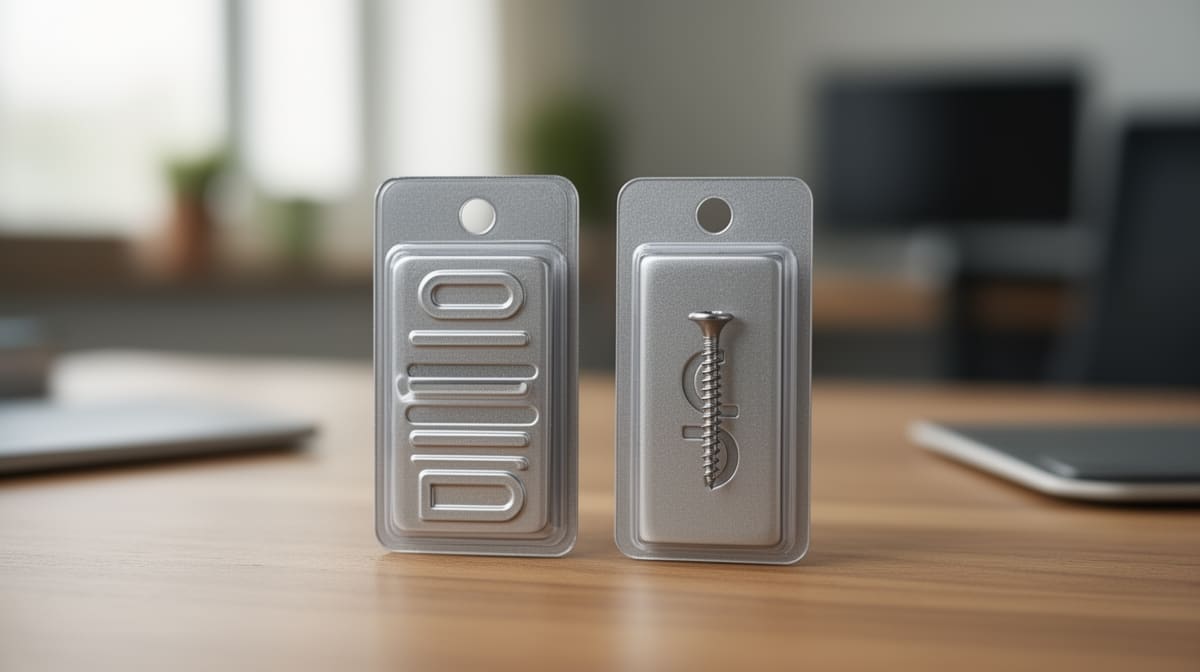
The Delhi High Court has delivered a pivotal clarification on the scope of permissible amendments to trademark applications under Rule 37 of the Trade Marks Rules, 2017. The judgment underscores that minor, non-substantial modifications to device marks - such as reorientation of letters - do not invalidate registration, provided they do not alter the essential character of the mark. This decision significantly impacts how trademark practitioners assess amendment requests and challenge registrations on grounds of alteration.
Background & Facts
The Dispute
The dispute arose over the registration of a device mark consisting of the letters "SDHP" in a specific arrangement. The respondent initially applied for registration of the mark
Procedural History
The case progressed through multiple stages:
- 30 October 2018: Respondent filed application for registration of mark
- 26 November 2018: First Examination Report issued, citing rival marks
- 13 December 2018: Respondent filed Form TM-M seeking to amend the mark from
- 4 February 2019: Amended mark
- 23 July 2020: Appellant filed complaint alleging substantial alteration
- 31 October 2022: Deputy Registrar issued notice under Section 57(4) of the Trade Marks Act
- 15 December 2022: Deputy Registrar cancelled registration, holding amendment was substantial
- 14 May 2025: Single Judge of Delhi High Court set aside cancellation, allowing amendment
- 25 February 2026: Division Bench dismissed appeal, upholding Single Judge’s order
Relief Sought
The appellant sought cancellation of the trademark registration on grounds of substantial alteration and procedural irregularities. The respondent sought restoration of the registration and dismissal of the rectification complaint.
The Legal Issue
The central question was whether the change from
Arguments Presented
For the Appellant
Mr. J. Sai Deepak argued that the amendment from
For the Respondent
Mr. Sanjeev Sindhwani contended that the amendment was a minor, non-substantial correction permitted under Rule 37. He emphasized that the notice under Section 57(4) was issued with only 21 days’ notice, violating Rule 100(1) which mandates a minimum of one month. He further argued that the Deputy Registrar’s order was unreasoned and that the Single Judge correctly found no substantial alteration. The respondent also highlighted that the original user affidavit, though referencing
The Court's Analysis
The Court’s analysis focused on two core issues: procedural compliance under Rule 100(1) and the substantive question of whether the amendment constituted a "substantial alteration" under Rule 37.
On procedure, the Court unequivocally held that Rule 100(1)’s requirement of a one-month notice is mandatory, not directory. Citing Nazir Ahmed v. King Emperor and Independent Sugar Corpn. Ltd. v. Hindustan National Gas & Industries Ltd., the Court affirmed that when a statute prescribes a manner of action, deviation is impermissible. The fact that the respondent did not object before the Deputy Registrar did not waive this mandatory requirement.
On merits, the Court examined the nature of the alteration. The learned Single Judge had concluded that changing the orientation of "SD" from horizontal to vertical, while retaining the same letters and relative proportions, did not amount to a substantial alteration. The Division Bench agreed, deferring to the Single Judge’s visual comparison, which was supported by the Manual of Trade Marks Practice & Procedure’s distinction between clerical corrections and substantive changes.
"The legislature has clearly used the expression ‘substantial’ deliberately, and we have, therefore, to accord it due respect. Not every alteration in the trade mark applied for, as sought under Rule 37, is impermissible; it is only substantial alteration that is proscripted."
The Court rejected the appellant’s argument that Rule 25(2) required a fresh user affidavit after amendment. It held that if the alteration is insubstantial, the original user claim remains valid. A fresh affidavit is only necessary if the mark is materially changed, which was not the case here. The Court emphasized that judicial imposition of additional requirements not found in the statute is impermissible.
The Court also distinguished the facts from Palco’s v. Palbis Quality Confectioners, noting that the present case involved no fraud or misrepresentation, merely a correction of a typographical error in mark presentation.
The Verdict
The appellant’s appeal was dismissed. The Delhi High Court upheld the Single Judge’s order, holding that the amendment from
What This Means For Similar Cases
Minor Visual Adjustments Are Permissible
- Practitioners may now confidently file Form TM-M for minor reorientations, font adjustments, or spacing corrections in device marks without fear of automatic rejection
- The burden shifts to the objecting party to prove that the change alters the mark’s essential identity, not merely its appearance
- Visual comparison remains the primary test; expert opinion or consumer confusion evidence is not required at the amendment stage
Fresh User Affidavits Are Not Mandatory Post-Amendment
- If an amendment is deemed insubstantial, the original user affidavit suffices
- The Trade Marks Office cannot demand a fresh affidavit as a routine condition for accepting amendments under Rule 37
- Practitioners should document the continuity of use clearly in the amendment application to preempt challenges
Procedural Compliance Is Non-Negotiable
- Notices under Section 57(4) must strictly comply with Rule 100(1)’s one-month notice period
- Failure to comply invalidates cancellation orders, regardless of whether the affected party objected
- Practitioners must raise procedural defects at the earliest opportunity to preserve appellate rights