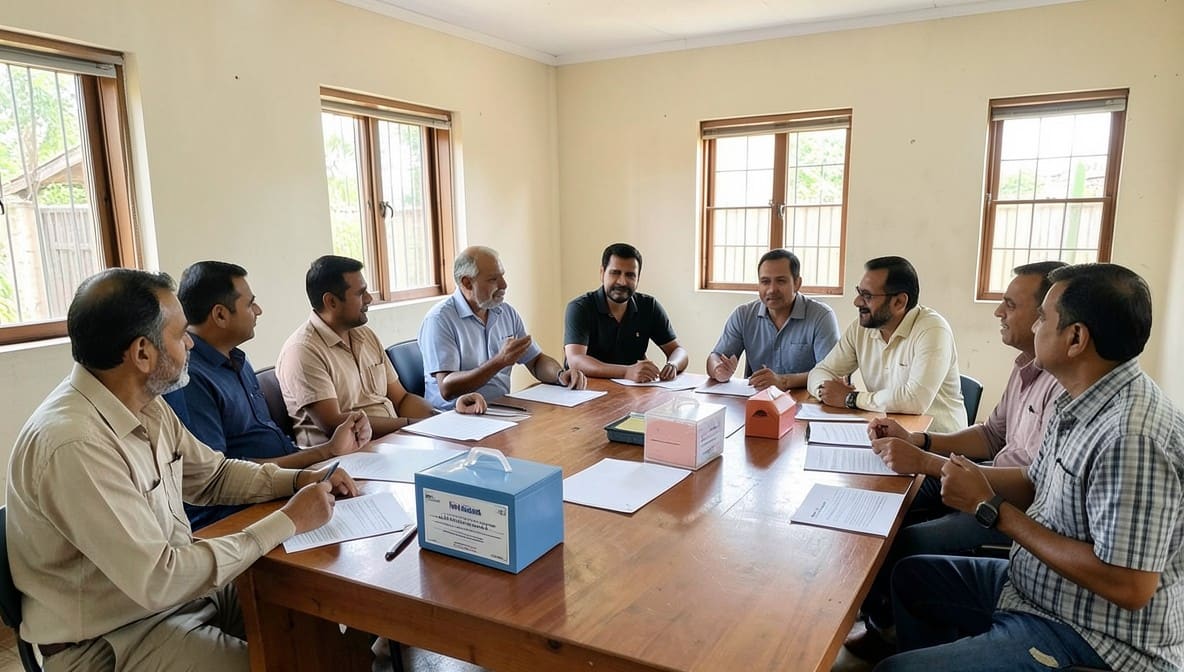
The Punjab & Haryana High Court has clarified that a Returning Officer appointed to conduct elections of a registered society has no inherent or statutory authority to suspend the electoral process. This ruling reinforces the principle that administrative bodies must act strictly within the bounds of their delegated powers, particularly in matters of internal democratic governance.
Background & Facts
The Dispute
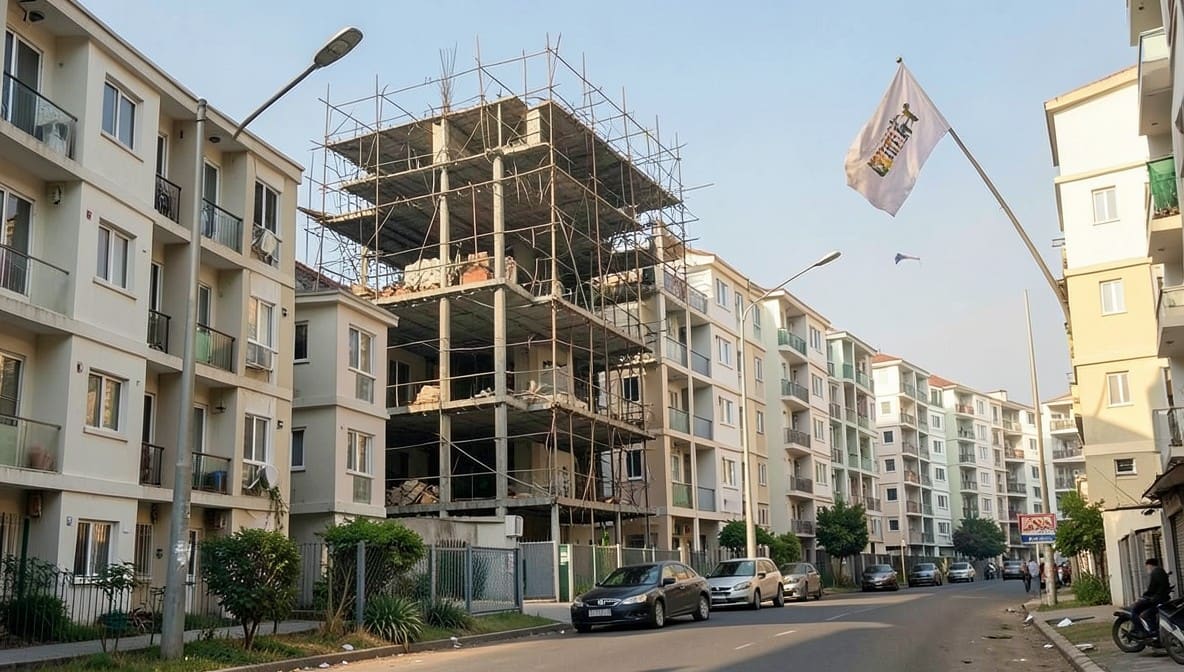
The petitioner, Irene Apartments Owners Association, is a registered society under the Societies Registration Act, 1860. Its Governing Body, elected in May 2024 for a two-year term, was due to complete its tenure on 04.05.2026. The society initiated the process for fresh elections in accordance with its bye-laws, but the process was disrupted by procedural interventions from the Registrar of Societies and subordinate authorities.
Key Facts
- Governing Body elections for the term 2024 - 2026 were conducted in May 2024.
- On 09.01.2025, the District Registrar, Firms and Societies, Gurugram (Respondent No.3), directed the society to amend its bye-laws.
- An Annual General Meeting (AGM) was held on 02.11.2025, which Respondent No.3 validated by order dated 01.12.2025.
- Respondent No.2 (Registrar of Societies, Haryana) set aside the 01.12.2025 order on appeal and remanded the matter to Respondent No.3 on 06.01.2026 for fresh consideration and verification of the membership list.
- On 19.03.2026, Respondent No.3 appointed an Inquiry Officer to verify membership, without considering the society’s submissions.
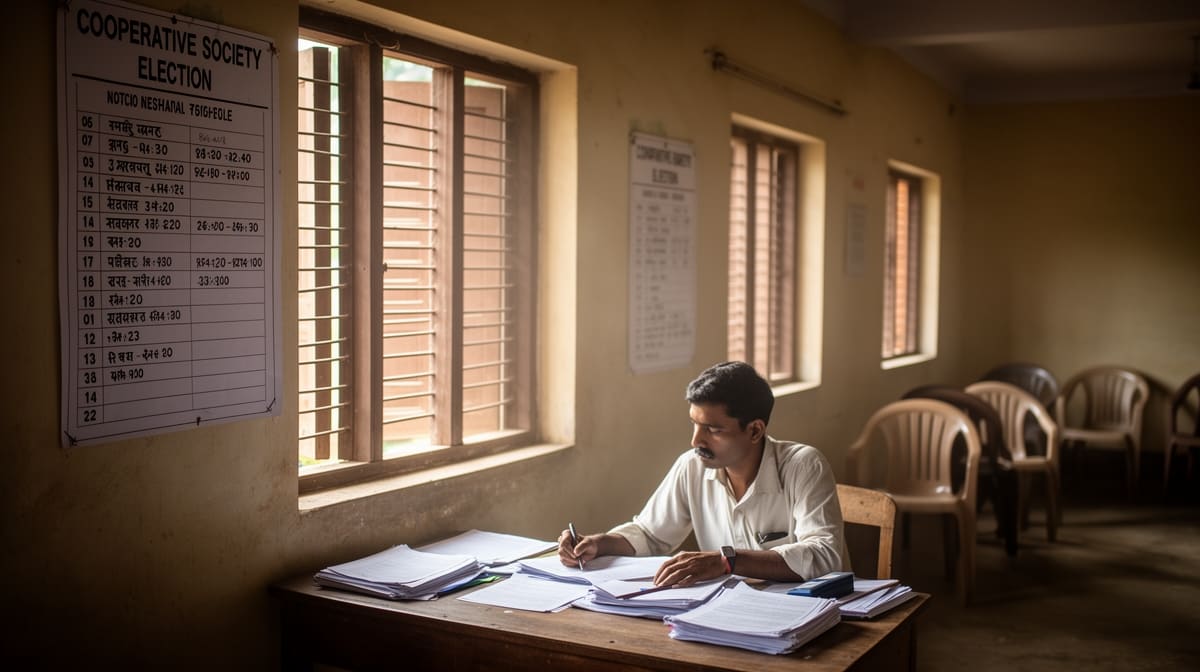
- On 30.03.2026, Respondent No.3 appointed a Returning Officer to conduct the upcoming elections.
- On 03.05.2026, Respondent No.3 communicated directions to the Returning Officer to proceed with the election process.
- On 09.04.2026, the Returning Officer unilaterally suspended the election process, citing unspecified grounds.
- The society filed an appeal against the 03.05.2026 communication before Respondent No.2, which remained undecided as of the date of the petition.
Procedural History
- 09.01.2025: District Registrar directed amendment of bye-laws.
- 02.11.2025: AGM held.
- 01.12.2025: District Registrar validated the AGM.
- 06.01.2026: Registrar of Societies remanded the matter for fresh verification.
- 19.03.2026: Inquiry Officer appointed to verify membership.
- 30.03.2026: Returning Officer appointed to conduct elections.
- 03.05.2026: Direction issued to Returning Officer to proceed with elections.
- 09.04.2026: Returning Officer suspended election process without authority.
- 12.04.2026: Writ Petition (CWP-12264-2026) filed before the High Court.
- 29.04.2026: Judgment delivered.
Relief Sought
The petitioner sought:
- Setting aside of the order dated 09.04.2026 suspending the election process;
- Direction to Respondent No.2 to decide Appeal No.81 of 2026 before 04.05.2026;
- Direction to Respondent No.4 (Returning Officer) to complete the election process;
- Direction to Respondent No.2 not to appoint any Administrator during pendency of the petition.
The Parties' Positions / Positions Before This Court
The petitioner contended that the Returning Officer, appointed solely to conduct elections, had no legal power to suspend the process. The suspension was arbitrary, beyond jurisdiction, and threatened the democratic functioning of the society. The State initially defended the suspension but conceded during hearing that the Returning Officer lacked such authority.
The Legal Issue
The central question was whether a Returning Officer appointed under the Societies Registration Act has the legal authority to unilaterally suspend an ongoing election process without any statutory provision or order from the Registrar.
Arguments Presented
For the Petitioner
The petitioner’s counsel argued that the Returning Officer’s role is purely administrative and procedural, confined to executing the election as directed by the Registrar. No provision under the Societies Registration Act or the society’s bye-laws empowers a Returning Officer to halt elections. The suspension was an ultra vires act, violating principles of natural justice and the society’s right to democratic governance. Reliance was placed on State of U.P. v. Raj Kumar and Society for Unaided Private Schools v. Union of India to underscore that internal democratic processes of societies must be protected from arbitrary interference.
For the Respondent
The State initially contended that the appeal before the Registrar remained pending, rendering the petition infructuous. However, upon being confronted with the order dated 09.04.2026, the Assistant Advocate General conceded that the Returning Officer had no statutory power to suspend elections and could not act independently of the Registrar’s directives. The State further stated that if necessary, the competent authority may grant liberty to suspend elections, but only through a reasoned order by the Registrar.
The Court's Analysis
The Court examined the nature of the Returning Officer’s appointment and the statutory framework governing societies. It noted that the Returning Officer was appointed by Respondent No.3 under the authority delegated by the Registrar of Societies. The appointment was for the purpose of conducting elections, not adjudicating disputes or suspending processes.
"The Returning Officer is an agent of the Registrar, not an adjudicatory authority. His function is to execute, not to evaluate or halt."
The Court emphasized that the power to suspend elections, if it exists at all, must be expressly conferred by statute or by a specific order of the Registrar. No such provision was cited by the State, nor was any such order produced. The suspension was therefore an act beyond the scope of the officer’s delegated authority.
The Court further held that the delay in deciding the society’s appeal before Respondent No.2 could not justify an illegal suspension by a subordinate officer. Administrative convenience cannot override statutory rights or democratic norms. The Court rejected the notion that the pendency of an appeal could be used as a pretext to stall elections indefinitely.
The Court also noted that the society’s term was set to expire on 04.05.2026, and any further delay would result in a governance vacuum, contrary to the spirit of the Societies Registration Act.
The Verdict
The petitioner succeeded. The Court set aside the order dated 09.04.2026 suspending the election process. The authorities are directed to complete the election of the Governing Body of Irene Apartments Owners Association before 04.05.2026. The Registrar of Societies is directed to decide Appeal No.81 of 2026 within two weeks. No Administrator shall be appointed during the pendency of the election process. The Returning Officer shall proceed with the election in accordance with the society’s bye-laws and the provisions of the Societies Registration Act.
What This Means For Similar Cases
Suspension of Elections Requires Express Authority
- Practitioners must challenge any suspension of society elections by Returning Officers as ultra vires unless supported by a specific, reasoned order from the Registrar.
- The burden lies on the authority to produce statutory or bye-law provisions authorizing suspension.
- Courts will not permit administrative inaction or pending appeals to justify indefinite delays in democratic processes.
Procedural Timelines Are Binding
- Societies have a right to timely elections, especially when terms are expiring.
- Delays caused by procedural appeals must not be used to circumvent the election cycle.
- Courts will intervene to prevent governance vacuums, particularly in residential societies where functional continuity is essential.
Role of Returning Officers Is Limited
- Returning Officers are not adjudicators; they are facilitators of elections.
- Any deviation from their prescribed role - such as questioning membership validity or halting elections - must be challenged immediately.
- The Registrar must act on appeals before elections commence; post-election interference is not a substitute for timely adjudication.