The ITAT Ahmedabad has reaffirmed that procedural fairness under the Income Tax Act cannot be sacrificed for administrative convenience. In a significant ruling, the Tribunal set aside an ex parte assessment order passed under Section 69A and 115BBE, directing a fresh hearing upon the taxpayer’s submission of previously unfiled evidence. This decision reinforces the primacy of natural justice over technical defaults, even in cases of prolonged non-cooperation.
Background & Facts
The Dispute
The assessee, Liverpool Fashions Limited, faced an assessment under Section 69A of the Income Tax Act, 1961, for unexplained cash deposits of Rs. 39,40,000 and bank credits of Rs. 1,80,10,000, totaling Rs. 2,19,50,000. The Assessing Officer (AO) treated these amounts as undisclosed income and taxed them at 60% under Section 115BBE, as the assessee had not filed its return for Assessment Year 2017-18.
Procedural History
The case progressed through the following stages:
- 2019: AO issued notices under Section 142(1) and Section 144, but the assessee did not respond.
- 2020: AO passed an ex parte assessment order under Section 144.
- 2021-2023: The assessee filed multiple applications before the CIT(A) seeking time to file documents, but failed to appear for four scheduled hearings.
- 28-11-2023: CIT(A) upheld the ex parte assessment, holding that the assessee had forfeited its right to be heard.
- 2025: The assessee filed an appeal before ITAT with a 422-day delay, supported by a notarized affidavit citing internal management changes.
Relief Sought
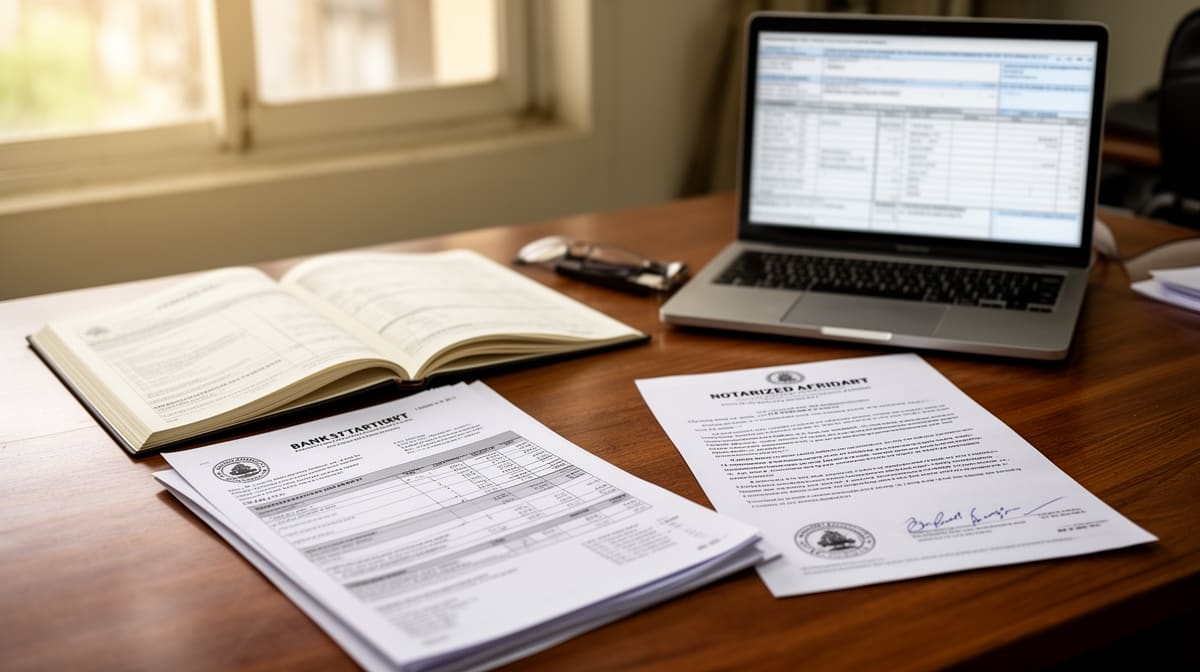
The assessee sought setting aside of the assessment order and a fresh opportunity to explain the source of funds, submitting bank statements, creditor confirmations, and prior ITRs as evidence.
The Legal Issue
The central question was whether an ex parte assessment under Section 69A and Section 115BBE can be sustained when the taxpayer, despite prior non-cooperation, produces credible documentary evidence before the appellate tribunal, and whether natural justice requires a fresh hearing in such circumstances.
Arguments Presented
For the Petitioner
The assessee’s counsel argued that the failure to respond to notices was due to genuine administrative upheaval, not mala fide intent. They relied on CIT v. Smt. Sushila Devi to assert that natural justice is a foundational principle of tax law, and that Section 144 does not override the right to be heard when substantial evidence is produced at a later stage. The paper book of 73 pages, including bank records and affidavits from creditors, demonstrated a prima facie explanation for the credits.
For the Respondent
The Revenue contended that the assessee had been given four opportunities to appear before the CIT(A) and had willfully ignored them. Citing CIT v. M/s. R.K. Industries, the Revenue argued that ex parte orders are binding unless set aside on grounds of fraud or gross irregularity, and that the delay in filing the appeal was unexplained and unjustified.
The Court's Analysis
The Tribunal acknowledged the assessee’s prolonged non-cooperation but emphasized that Section 144 is a procedural tool, not a substitute for fair adjudication. It held that while the delay in filing the appeal warranted a cost, it did not extinguish the right to a fair hearing when credible evidence emerges.
"The purpose of Section 69A is not to penalize non-filing of returns, but to bring to tax income the source of which remains unexplained. If, at a later stage, the assessee produces material that explains the source, the principle of natural justice demands that such explanation be considered."
The Court distinguished CIT v. M/s. R.K. Industries by noting that in that case, no new evidence was tendered on appeal. Here, the documents submitted - bank statements, creditor affidavits, and ITRs - were not merely procedural but substantive. The Tribunal further held that Section 115BBE applies only when the source remains unexplained; if a plausible explanation is offered, the burden shifts back to the Revenue to disprove it.
The Tribunal rejected the notion that administrative convenience justifies denial of hearing. It observed that the CIT(A) had not examined the merits of the case, and that the ex parte order was rendered without any factual appreciation.
The Verdict
The assessee won. The ITAT held that natural justice requires a fresh opportunity to explain unexplained income, even after ex parte assessment. The appeal was allowed for statistical purposes, and the case was remanded to the jurisdictional AO for a fresh hearing on merits, subject to payment of a cost of Rs. 10,000.
What This Means For Similar Cases
Fresh Hearing Is Mandatory When New Evidence Emerges
- Practitioners must now argue that Section 144 assessments are not final if credible evidence is produced before the appellate tribunal.
- The mere fact of non-appearance does not bar reconsideration when documents substantiate the taxpayer’s claim.
- Always file affidavits explaining delays and submit evidence with the appeal, even if late.
Cost Is Not a Substitute for Fair Hearing
- Tribunals may impose costs for non-cooperation, but this does not negate the obligation to provide a hearing.
- Revenue authorities cannot rely on technical defaults to avoid substantive adjudication.
- A cost order under Section 271(1)(c) is distinct from denial of hearing under Section 144.
Documentary Evidence Overrides Procedural Default
- Bank statements, creditor confirmations, and prior ITRs constitute prima facie evidence under Section 69A.
- The burden of proof under Section 115BBE is not on the assessee to prove innocence, but on the Revenue to disprove a plausible explanation.
- Practitioners should systematically compile and authenticate all financial records before filing appeals, even if the lower authority ignored them.