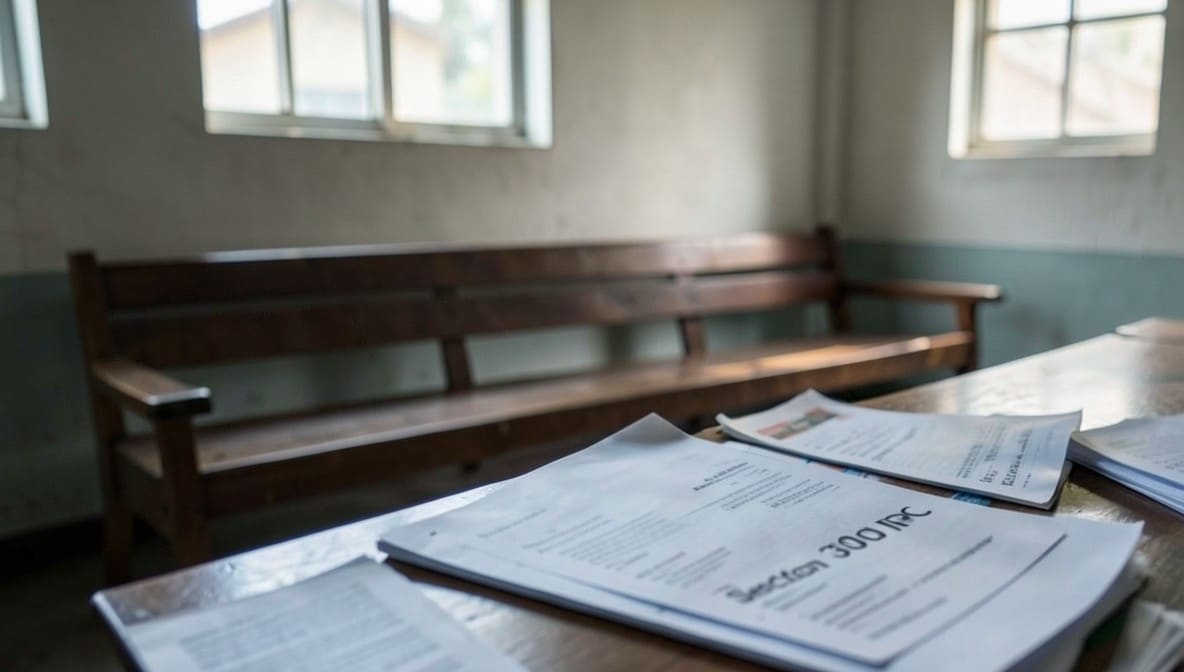
The Chhattisgarh High Court has clarified that a suicide note naming the accused, even when corroborated by medical and handwriting evidence, cannot alone sustain a conviction under Section 306 IPC without proof of instigation or intentional aid. The judgment underscores the necessity of a direct, proximate link between the accused’s conduct and the deceased’s decision to end their life.
Background & Facts
The Dispute
On 04.11.2015 at approximately 06:00 PM, the deceased, Dharanidhar Pratap Singh @ Rohit, was returning home on a motorcycle with his landlord, Dharamveer Nayak, after purchasing distemper. The motorcycle accidentally collided with a scooter parked by Ravi Yadav @ Khiladi. This minor incident triggered a verbal altercation and physical assault by the accused persons, including Bandhu Janghel, Keshav Baghel, Golu Sahu @ Manoj Sahu, and Sanjay @ Sanju Bangali, who were present at the scene.
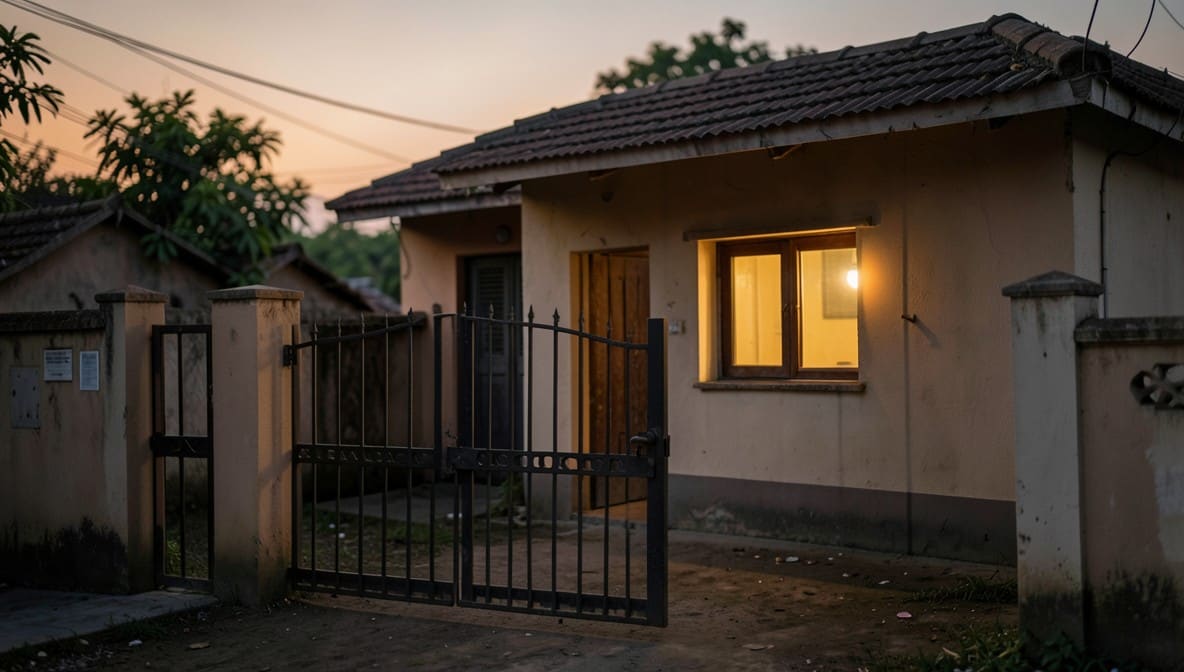
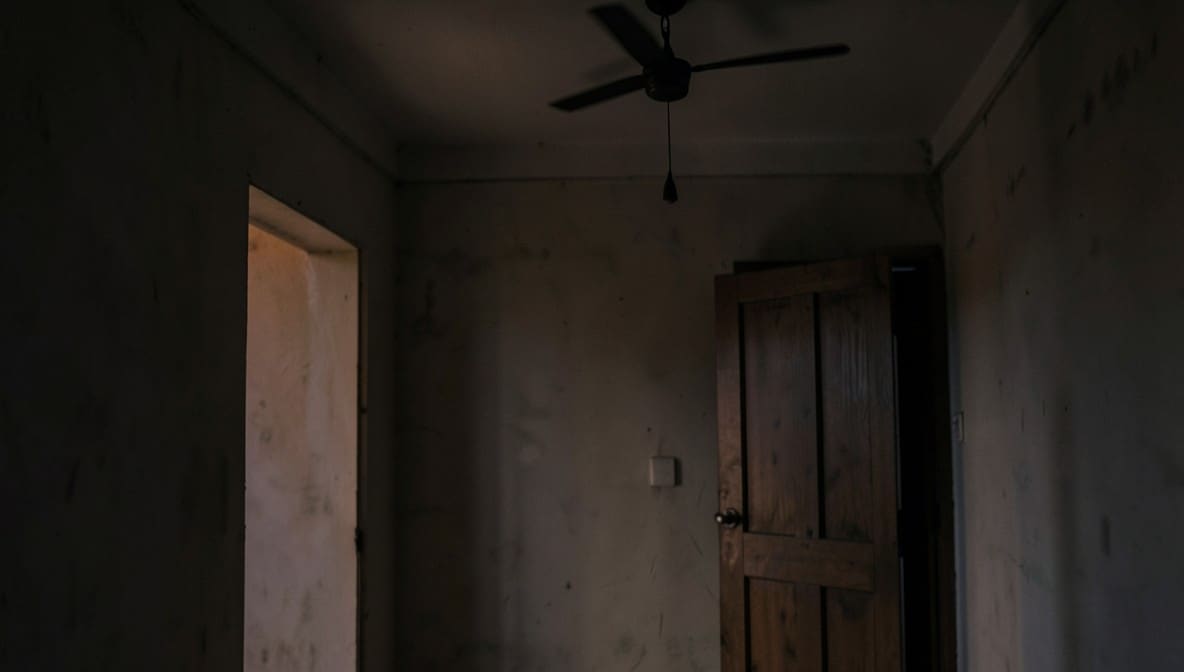
The accused intercepted the deceased and his brother, Parikshit Singh, near the residence of PW-1 Jayanti Nayak, where the deceased was a tenant. They abused them in filthy language, assaulted them with fists and blows, and threatened to kill them. The landlord intervened and took the deceased and his brother inside the house. Later that night, the deceased was found hanging from the ceiling fan in his room.
Key Facts
- The deceased was 32 years old and resided as a tenant in the house of PW-1 Jayanti Nayak
- The collision occurred at approximately 06:00 PM on 04.11.2015
- The assault lasted for a brief period and ended when the landlord intervened
- The deceased and his brother went to the local police station to file a complaint
- The matter was reportedly compromised between the parties at the police station
- The deceased returned home and committed suicide later that night
- A suicide note was recovered from the scene, addressed to the accused Bandhu Janghel and associates
- The suicide note was authenticated by PW-8 Rajesh Kumar Elma, the handwriting expert, as written by the deceased
- The autopsy conducted by PW-10 Dr. M. Nirala confirmed death by asphyxia due to hanging, classified as suicidal
- No prior history of mental illness or depression was recorded in the deceased’s medical or personal records
- The prosecution examined 10 witnesses; the defence did not call any
Procedural History
- 04.11.2015: Incident occurred at Pandri Tarai, Raipur
- 04.11.2015: FIR registered at Police Station Devendra Nagar under Sections 294, 506-B, 323, 147, 149, 341, and 306 IPC
- 05.11.2015: Inquest conducted; suicide note seized
- 15.11.2015: Handwriting analysis requested
- 20.12.2015: Charge-sheet filed before the Additional Chief Judicial Magistrate, Raipur
- 16.12.2016: Trial Court convicted all appellants under Sections 147/149, 323/149, 341, and 306 IPC
- 16.12.2016: Sentenced to imprisonment and fines as follows:
- 3 years RI under Section 147/149 IPC
- 3 years RI under Section 323/149 IPC
- 1 year RI under Section 341 IPC
- 5 years RI under Section 306 IPC with fine of Rs. 1000/-
- 2016 - 2017: Four separate Criminal Appeals filed before the High Court (CRA Nos. 1597/2016, 1620/2016, 117/2017, 1621/2016, and 281/2017)
- 24.03.2026: Hearing concluded before the Hon’ble Justice Arvind Kumar Verma
The Parties' Positions
For the Appellants
The appellants contended that the prosecution failed to establish the essential ingredients of abetment under Section 107 IPC. They argued that the assault was a spontaneous reaction to a trivial accident, that the threats were vague and non-specific, and that the suicide note merely expressed blame without alleging any act of instigation. They relied on Rajendra Das v. State of Chhattisgarh, Gangula Mohan Reddy v. State of Andhra Pradesh, and Mohan v. State to assert that mere harassment or assault, without a positive act of instigation or mens rea, cannot attract Section 306 IPC.
For the Respondent
The State contended that the cumulative effect of the assault, abuse, threats, and the suicide note created an atmosphere of fear and psychological pressure that directly led to the suicide. It argued that the suicide note, authenticated by expert testimony, was a clear admission of causation and that the trial court correctly appreciated the chain of events. The State relied on the testimonies of PW-1, PW-2, and PW-4 to establish the continuity of conduct and the absence of any other plausible cause for suicide.
Relief Sought
The appellants sought acquittal on the charge under Section 306 IPC, reduction or remission of sentence under other charges, and release on bail pending further proceedings. They also requested that the personal bond conditions under Section 437-A CrPC be modified.
The Legal Issue
The central question was whether the conduct of the appellants, including verbal abuse, physical assault, and general threats, coupled with a suicide note naming them, constitutes sufficient proof of abetment under Section 107 of the Indian Penal Code to sustain a conviction under Section 306 IPC.
Arguments Presented
For the Appellant
The appellants’ counsel argued that Section 306 IPC requires proof of a positive act of instigation, conspiracy, or intentional aid as defined under Section 107 IPC. Mere presence during an altercation, even if violent, does not equate to abetment. The suicide note, while authentic, contained no specific allegation of instigation - only a general attribution of blame. The prosecution failed to prove that the accused intended to drive the deceased to suicide. The delay between the assault and the suicide, coupled with the compromise at the police station, broke the chain of causation. The counsel cited Gangula Mohan Reddy v. State of Andhra Pradesh and Mohan v. State to emphasize that mens rea is indispensable.
For the Respondent
The State argued that the accused’s conduct created a climate of terror and humiliation that left the deceased with no psychological recourse. The suicide note, corroborated by expert testimony, was a dying declaration that directly linked the accused to the cause of death. The State contended that the trial court correctly inferred abetment from the totality of circumstances, including the timing of the suicide, the nature of the threats, and the absence of any other motive. It relied on Rajendra Das v. State of Chhattisgarh to argue that circumstantial evidence can establish abetment if the inference is irresistible.
The Court's Analysis
The Court undertook a meticulous review of the evidence and the legal framework governing Section 306 IPC. It emphasized that abetment requires a mental process - instigation, conspiracy, or intentional aid - and cannot be inferred from mere association or general hostility.
"To attract Section 306 IPC, there has to be a clear mens rea to commit the offence. Without a positive act on the part of the accused to instigate or aid in committing suicide, there cannot be any conviction."
The Court noted that the prosecution witnesses consistently described a brief, unpremeditated altercation arising from a minor traffic incident. The assault was not prolonged, nor was it directed with the intent to drive the deceased to suicide. The threats were general - "we will kill you" - and lacked specificity or immediacy. The Court held that such language, while reprehensible, does not meet the threshold of legal instigation.
The suicide note, though authenticated, stated only: "Bandhu Janghel and his associates are responsible for my death." It contained no description of acts, no demand, no ultimatum, and no expression of coercion. The Court observed that a suicide note attributing blame is not equivalent to a confession of abetment. It may indicate motive or grievance, but not the requisite criminal intent under Section 107 IPC.
The Court further noted that the deceased and his brother had visited the police station after the incident and that the matter was reportedly compromised. This intervening event severed any direct causal link between the assault and the suicide. The deceased had time to reflect, and the suicide occurred hours later, in private, without any further contact with the accused.
The Court distinguished this case from those where the accused engaged in prolonged harassment, dowry demands, or continuous psychological torture. Here, the conduct was isolated, transient, and not of a nature likely to induce suicide in a reasonable person.
The Court also rejected the trial court’s application of Section 149 IPC to sustain the conviction under Section 306 IPC. It held that a common object to commit suicide cannot be inferred from a common object to commit assault. The two offences are legally distinct and cannot be fused.
The Verdict
The appellants succeeded in part. The Chhattisgarh High Court set aside the conviction and sentence under Section 306 IPC for all appellants. The convictions under Sections 147/149, 323/149, and 341 IPC were affirmed. The appellants were sentenced to three years’ rigorous imprisonment under Section 147/149 IPC, three years under Section 323/149 IPC, and one year under Section 341 IPC, to run concurrently. Each appellant was fined Rs. 1000/- under Sections 147/149 and 323/149, and Rs. 500/- under Section 341 IPC, with default sentences of three months and one month respectively. The appellants, already on bail, were directed to furnish a personal bond of Rs. 25,000/- with one surety of like amount under Section 481 of the Bhartiya Nagarik Suraksha Sanhita, 2023, valid for six months, with an undertaking to appear before the Supreme Court if a Special Leave Petition is filed.
What This Means For Similar Cases
Suicide Notes Alone Cannot Prove Abetment
- Practitioners must now argue that a suicide note attributing blame is circumstantial evidence only
- The note must contain specific allegations of instigation, coercion, or direct pressure to be probative
- General phrases like "they made my life unbearable" or "it’s their fault" are legally insufficient
- Prosecutors must supplement the note with testimony proving active encouragement or intentional aid
No Automatic Link Between Assault and Suicide
- A physical altercation, even if violent, does not automatically constitute abetment
- The prosecution must prove a proximate, direct, and intentional link between the accused’s conduct and the suicide
- Time gaps, police intervention, or compromise between parties break the chain of causation
- Courts will not infer mens rea from the mere fact of death following an argument
Section 149 IPC Cannot Extend to Section 306 IPC
- A common object to commit assault cannot be extended to a common object to commit suicide
- Each accused must be individually shown to have intended to abet suicide
- Collective liability under Section 149 does not apply to offences requiring specific intent
- Defence counsel should challenge the application of Section 149 to Section 306 as legally untenable