The Madhya Pradesh High Court has affirmed that in maintenance proceedings under Section 125 of the CrPC, procedural delays in submitting evidence cannot override the substantive right to a just and equitable determination of financial support. The judgment underscores that courts must adopt a broad, equitable approach when evaluating evidence relevant to a respondent’s means, particularly where such documents become available only after initial filings.
Background & Facts
The Dispute
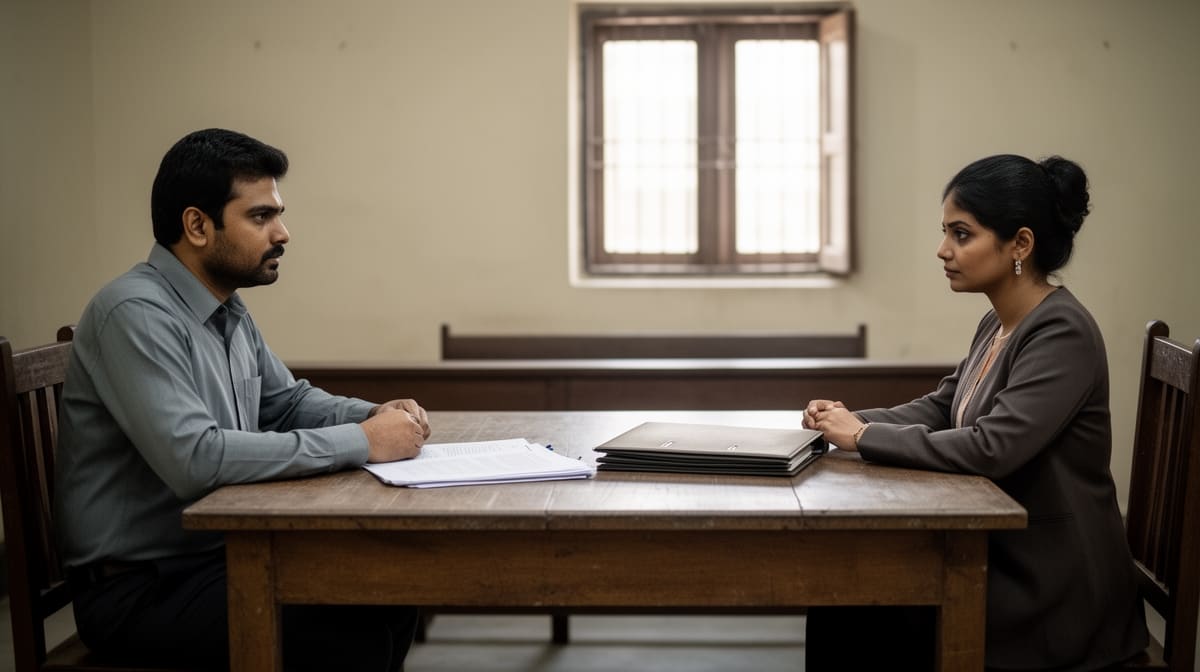
The petitioners, Vaishali and her daughter, filed an application under Section 125 of the CrPC seeking maintenance from the respondent, Pranav Pare, their husband and father respectively. The petitioners alleged that the respondent, despite substantial income and foreign travel, had failed to provide adequate maintenance. The Family Court was seized of the matter under MJCR-415/2023.
Key Facts
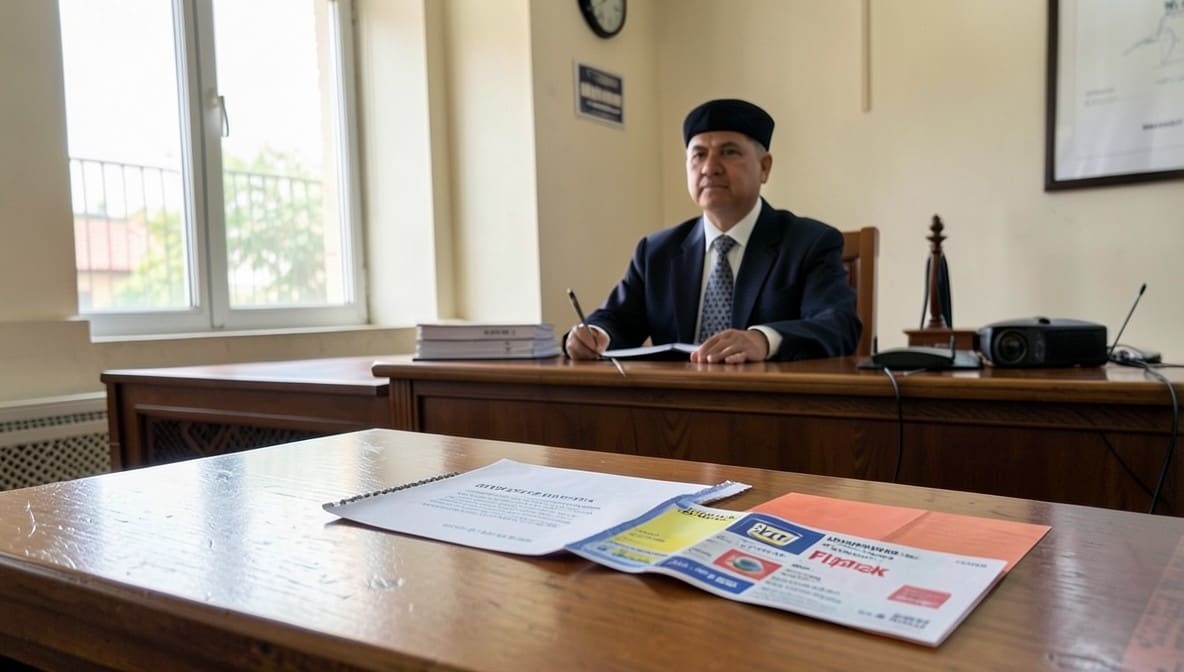
- The petitioners filed an application on 10.01.2026 seeking to add documents to the record, including evidence of the respondent’s foreign travel, business records, and purchase history from Amazon and Flipkart.
- These documents were not available at the time of filing the original application due to the respondent’s control over financial records and lack of access to digital transaction trails.
- The documents included purchase receipts for books, travel itineraries, and bank statements indicating foreign currency transactions.
- The Family Court rejected the application on 13.02.2026, citing delay and the pendency of judgment delivery as grounds for refusal.
- The respondent had already undergone cross-examination on general financial matters but not specifically on the newly discovered documents.
Procedural History
- 2023: Original maintenance application filed under Section 125 CrPC (MJCR-415/2023).
- 10.01.2026: Petitioners filed application to produce additional documents.
- 13.02.2026: Family Court rejected the application on grounds of delay and proximity to judgment delivery.
- 26.02.2026: Writ Petition No. 7786 of 2026 filed before the Madhya Pradesh High Court.
- 06.05.2026: Final hearing conducted with consent of parties.
Relief Sought
The petitioners sought quashing of the Family Court’s order dated 13.02.2026 and direction to permit the filing of the additional documents as evidence, with liberty to cross-examine and rebut.
The Legal Issue
The central question was whether a Family Court may reject an application to produce crucial evidence in a Section 125 CrPC maintenance proceeding solely on the ground of delay, particularly when the documents were not reasonably accessible at the time of initial filing.
Arguments Presented
For the Petitioner
Counsel for the petitioners argued that Section 125 CrPC is a socio-legally protective provision designed to prevent destitution. The documents sought were material to establishing the respondent’s true financial capacity, including foreign travel and digital purchases indicative of substantial income. Reliance was placed on the principle that procedural technicalities must yield to substantive justice in maintenance cases. The petitioners had no prior access to the documents, which were only obtained after the respondent’s public digital footprint became traceable.
For the Respondent
The respondent’s counsel contended that the application was belated, filed after completion of evidence and during the pendency of judgment. Cross-examination on financial matters had already been concluded, and allowing new evidence would prejudice the respondent and disrupt the finality of proceedings. The delay, they argued, was unexplained and prejudicial.
The Court's Analysis
The Court rejected the notion that procedural delay alone can bar the admission of material evidence in maintenance proceedings. It emphasized that Section 125 CrPC is not a technical litigation but a humanitarian remedy. The Court observed:
"In the case of maintenance like the present one, the Court is required to take a broader view of the dispute between the parties and it cannot be expected that all the documents would be available with the parties at the time of filing of the application itself and subsequently the parties have been able to obtain the documents hence their right to file the same could not be denied on the ground of delay."
The Court noted that the documents pertained to the respondent’s lifestyle and income - core factors in determining maintenance under Section 125. The Family Court’s reliance on the proximity to judgment delivery was found to be misplaced, as the evidence was not merely cumulative but potentially determinative. The Court further held that the respondent’s right to cross-examine and submit rebuttal evidence remained fully intact, thereby safeguarding procedural fairness.
The Court also referenced its earlier order dated 12.01.2026 in Cr.R. No. 3986/2025 and Cr.R. No. 2398/2025, extending the time for evidence to accommodate the admission of these documents.
The Verdict
The writ petition was allowed. The Family Court’s order dated 13.02.2026 was set aside. The petitioners are permitted to file the additional documents as evidence. The respondent is entitled to file counter-evidence and cross-examine on the new material. The time for leading evidence is extended until the conclusion of evidence, as per the timeline set in the Court’s order dated 12.01.2026.
What This Means For Similar Cases
Delay Is Not a Bar to Material Evidence
- Practitioners must now argue that in Section 125 CrPC cases, courts must prioritize substantive justice over procedural rigidity.
- Evidence obtained post-filing due to the respondent’s control over financial records cannot be excluded merely because of timing.
Evidence of Digital Footprint Is Admissible
- Digital purchases, travel records, and publicly accessible transaction histories (e.g., Amazon, Flipkart) are now recognized as legitimate indicators of financial capacity.
- Courts should not dismiss such evidence as "unverified" without examining its probative value.
Extension of Evidence Period Is Permissible
- Courts may extend timelines for evidence even after cross-examination, provided the new evidence is material and the opposing party retains full rights of rebuttal.
- This creates a precedent for flexible case management in maintenance litigation, especially where financial opacity is suspected.