The Allahabad High Court set aside a summoning order under the Scheduled Castes and Scheduled Tribes (Prevention of Atrocities) Act, 1989 and related IPC sections, emphasizing that criminal proceedings cannot be used to harass parties in a civil dispute absent prima facie proof of caste-based insult or humiliation.
Background & Facts
The Genesis
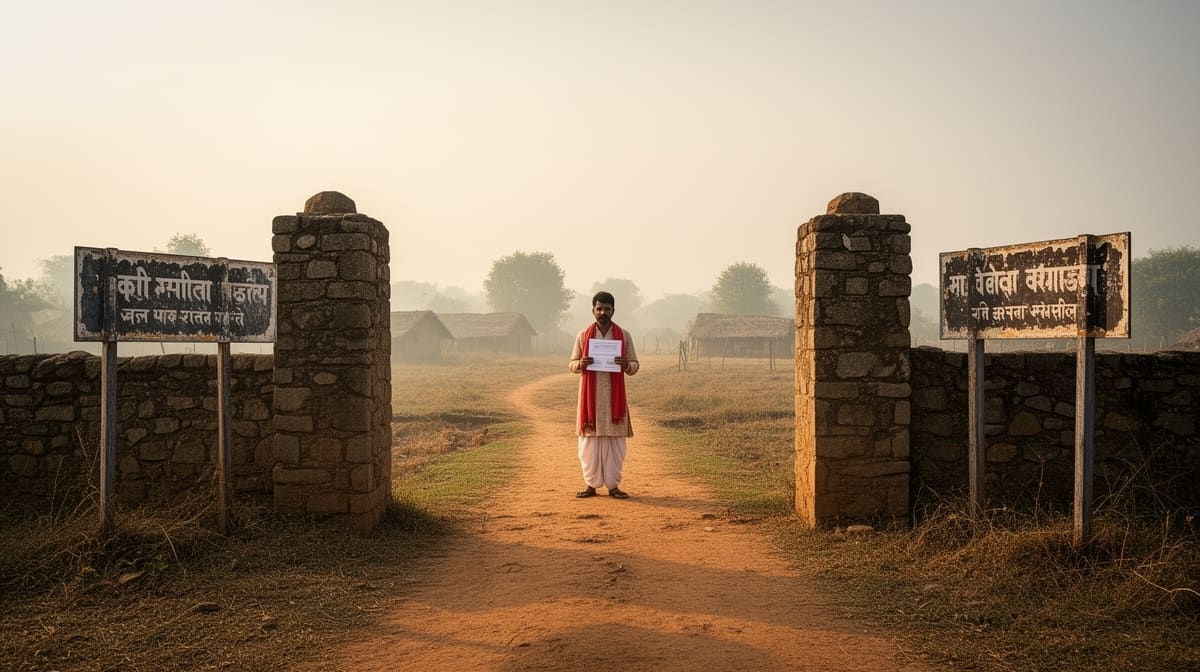
The dispute arose from a civil conflict over the occupation of temple shops and non-payment of rent. The complainant, Ramvir Jatav, filed a complaint against the appellants - Man Singh Chauhan, Pramod Tyagi, Mohan Sharma, and Rambir Singh - alleging offences under Sections 323, 354B, 504, and 506 of the Indian Penal Code, 1860 and Sections 3(1)(r) and 3(1)(s) of the SC/ST Act. The complaint was lodged at PS-20, Noida, Gautam Buddh Nagar.
Key Facts
- The appellants had initiated proceedings for removal of the complainant’s unauthorized occupation of temple shops.
- The complainant responded by filing a complaint alleging caste-based insults and threats.
- Statements recorded under Sections 200 and 202 of the Code of Criminal Procedure, 1973 revealed that the dispute was essentially civil in nature, involving landlord-tenant issues.
- The police report obtained during proceedings characterized the allegations as baseless and indicated a property dispute.
- The complainant’s witnesses were primarily close relatives, and no independent evidence or medical proof supported the allegations.
- The complainant allegedly prepared forged letterheads concerning temple land, claimed to have been donated by the complainant’s father.
Procedural History
- 10.11.2022: Learned Special Judge (SC/ST Act), Gautam Buddh Nagar, passed the impugned summoning order in Criminal Case No.1074 of 2021.
- 2023: Appellants filed Criminal Appeal No.887 of 2023 before the Allahabad High Court.
- 21.07.2026: High Court delivered the judgment under analysis.
The Parties' Positions
For the Appellants: The appellants contended that the summoning order was passed mechanically, without application of mind or satisfaction of ingredients of the alleged offences. They argued that the dispute was civil, retaliatory, and unsupported by independent evidence. The summoning order ignored material facts and settled law governing summoning in complaint cases.
For the Respondent/State: The State and the complainant argued that the complaint, witness statements, and supporting material disclosed a prima facie case. They asserted that at the summoning stage, the court only needs to find sufficient grounds to proceed, not to appreciate evidence or examine defence. The civil dispute, police report, and alleged mala fides were matters of defence to be tested during trial.
Relief Sought
The appellants sought quashing of the summoning order dated 10.11.2022 and a stay on the proceedings in Criminal Case No.1074 of 2021.
The Legal Issue
The central question was whether the summoning order under Sections 3(1)(r) and 3(1)(s) of the SC/ST Act and related IPC sections could be sustained when the allegations arose from a civil dispute and lacked prima facie proof of caste-based insult or intentional humiliation.
Arguments Presented
For the Appellant
The appellants relied on Supreme Court precedents to argue that criminal proceedings cannot be used to harass parties in civil disputes. They emphasized that the summoning order failed to record independent satisfaction of the ingredients of the offences and ignored the civil nature of the dispute and lack of independent evidence.
For the Respondent/State
The State and the complainant contended that the summoning order was valid as it was based on statements recorded under Sections 200 and 202 Cr.P.C. They argued that the court’s role at the summoning stage is limited to finding sufficient grounds to proceed, not to conduct a detailed appreciation of evidence or examine the defence.
The Court's Analysis
The Court examined the nature of the dispute and the legal threshold required to sustain proceedings under the SC/ST Act. It noted that the complainant and the State had admitted the existence of a civil dispute over temple shops and land. The Court observed that the summoning order did not assign reasons or record satisfaction regarding the ingredients of the alleged offences, particularly the requirement of intentional caste-based insult or humiliation under Sections 3(1)(r) and 3(1)(s).
The Court cited several Supreme Court decisions to underscore the principle that criminal proceedings should not be permitted to be used as instruments of harassment or private vendetta, especially where the dispute is predominantly civil in nature:
"In Inder Mohan Goswami & Another v. State of Uttaranchal & Others, AIR 2008 SC 251, the Hon’ble Supreme Court held that criminal prosecution should not be permitted to be used as an instrument of harassment, oppression or private vendetta."
The Court also relied on Ganga Dhar Kalita v. State of Assam, (2015) 9 SCC 647, which reiterated that giving a criminal colour to a civil dispute amounts to abuse of the process of law, unless the complaint prima facie discloses a cognizable offence.
The Court found that the allegations did not prima facie disclose the essential ingredients of caste-based insult or intentional humiliation. It held that permitting the proceedings to continue would amount to abuse of the process of law.
The Verdict
The High Court allowed the appeal and set aside the summoning order dated 10.11.2022. The Court held that the allegations did not prima facie disclose the ingredients of the offences under Sections 3(1)(r) and 3(1)(s) of the SC/ST Act or the related IPC sections. The Court emphasized that the dispute was civil in nature and that the summoning order lacked independent satisfaction of the ingredients of the alleged offences.
What This Means For Similar Cases
Criminal Proceedings Cannot Be Used to Harass in Civil Disputes
Practitioners must ensure that criminal complaints under the SC/ST Act are not filed to exert pressure in civil disputes. Courts will quash such proceedings if the dispute is predominantly civil and lacks prima facie proof of caste-based insult or intentional humiliation.
- Test: Does the complaint disclose a prima facie offence under the SC/ST Act, or is it a civil dispute in disguise?
- Evidence: Independent witnesses and documentary proof are critical to sustain proceedings under the Act.
Summoning Orders Must Record Independent Satisfaction
Courts must record brief reasons and independent satisfaction regarding the ingredients of the alleged offences before issuing summoning orders. Mechanical orders without application of mind are liable to be set aside.
- Practice Tip: Advocates should highlight the civil nature of the dispute and lack of independent evidence in bail or quashing applications.
Abuse of Process of Law Is a Ground for Quashing
Where criminal proceedings are initiated with an ulterior motive to harass or exert pressure, the High Court will exercise its inherent jurisdiction to quash such proceedings. The existence of a civil dispute alone is not sufficient to ground prosecution under the SC/ST Act.
- Key Holding: Ganga Dhar Kalita v. State of Assam clarifies that civil disputes cannot be criminalized absent prima facie proof of cognizable offences.